
Plants
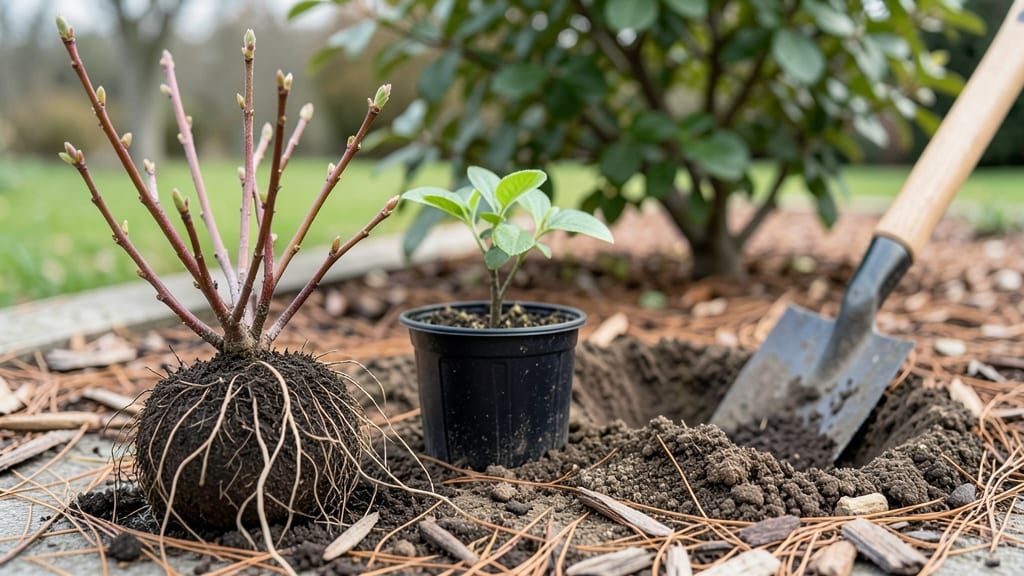
Timing your blueberry bush 🫐 planting in Michigan can mean the difference between a thriving harvest and a sad, frost-nipped shrub—especially when those late spring frosts roll in like clockwork.
The perfect window isn’t just about the calendar; it’s about soil warmth, regional microclimates, and knowing when those 5b-6b zone temperatures finally cooperate.
Plant too early, and your roots might freeze before they get a chance to establish. Wait too long, and you’ll miss the early spring soil warmth that triggers strong root growth—critical for blueberries that need acidic soil (pH 4.5-5.5) to thrive.
I’ve seen firsthand how a 2-week difference can change everything, from faster fruiting to better winter survival.
In this guide, I’ll break down the science behind Michigan’s planting windows—why March-April or September-October work best—and how to prep your soil for maximum success.
Whether you’re in the Upper Peninsula or southern Michigan, you’ll learn how to read the signs (like soil temperature and last frost dates) to plant with confidence.
Ready to grow blueberries that outperform the neighbors? Let’s dive into the exact timing and care tips that’ll set your bushes up for years of juicy harvests—no guesswork required.
Best planting windows for Michigan blueberries based on soil temperature
Michigan’s blueberry bushes thrive when planted during soil temperature windows of 40-50°F, signaling root activation without frost risk. In the Upper Peninsula (USDA Zone 4b-5a), aim for late April to early May, while the Lower Peninsula (Zone 5b-6a) allows mid-April to late April planting.
These windows balance soil warmth and last frost dates, which vary by county—check your local Michigan State University Extension for precise timelines.
Soil temperature is more critical than air temperature for blueberry root establishment. Use a soil thermometer to confirm readiness—roots won’t grow effectively below 40°F. In northern Michigan, where springs are cooler, delay planting until soil reaches 50°F to avoid frost damage to tender roots.
Southern Michigan’s warmer microclimates may allow early April planting if soil is workable.
Timing also depends on blueberry variety. Northern highbush varieties (e.g., 'Bluecrop', 'Jersey') tolerate colder soils better than southern highbush types. For container-grown bushes, adjust timing by 2-3 weeks earlier since potted soil warms faster. Always plant bare-root bushes as soon as possible after arrival—they dry out quickly.
Frost risk is the biggest enemy of early planting. Michigan’s late spring frosts (common until mid-May in the north) can kill new growth. To mitigate risks, choose frost-resistant varieties like 'Patriot' or 'Chippewa' and plant in sheltered locations, such as near a south-facing fence or hillside.
Avoid low-lying areas where cold air settles.
Fall planting (late September to October) is a viable alternative for Michigan gardeners. Bushes planted in fall establish roots before winter dormancy, giving them a head start in spring.
However, ensure 6-8 weeks before first frost for adequate root growth. Mulch heavily with straw or wood chips to insulate roots during winter.
Regional microclimates play a huge role. For example, Traverse City (Zone 5b) may see planting windows open by early April, while Marquette (Zone 4b) might wait until late May.
Use the USDA Plant Hardiness Zone Map and local almanac frost dates to refine your schedule. Pro tip: Plant cross-compatible varieties (e.g., 'Bluecrop' + 'Earliblue') to ensure pollination and fruit set.
Here’s how to sync planting with Michigan’s climate:
| Region | Ideal Planting Window | Soil Temp Trigger | Frost Risk |
|---|---|---|---|
| Upper Peninsula (Zone 4b-5a) | Late April - Early May | 50°F (10°C) | High until mid-May |
| Northern Lower Peninsula (Zone 5b) | Mid-April - Late April | 45°F (7°C) | Moderate until early May |
| Southern Lower Peninsula (Zone 6a) | Early April - Mid-April | 40°F (4°C) | Low after mid-April |
| Fall Planting (All Regions) | Late September - October | 50°F (10°C) or warmer | None (dormant season) |
After planting, focus on watering deeply (1-2 gallons per bush) to encourage root spread. Mulch with 3-4 inches of pine needles or bark to retain moisture and acidify soil naturally. Avoid overhead watering to prevent fungal diseases like botrytis, which thrives in Michigan’s humid summers.
Monitor your bushes for new growth signs like unfurling leaves or flower buds. If planted too late, roots may struggle to establish before winter. In such cases, prioritize root protection with thick mulch and consider a frost blanket for the first winter.
With the right timing, your blueberry bushes will reward you with years of harvests—starting as early as second or third year in Michigan’s climate.
🌱
How to prepare Michigan soil for blueberry bushes before planting
Michigan’s clay-heavy soils and neutral pH pose major challenges for blueberry bushes, which thrive in acidic conditions (pH 4.5-5.5). Without proper prep, your plants will struggle to absorb nutrients, leading to stunted growth or no fruit. The key is transforming your soil into a well-draining, acidic environment before planting.
Start by testing your soil’s current pH level using a home test kit or sending a sample to Michigan State University Extension. Most Michigan soils register between 6.5-7.5, far too alkaline for blueberries. If your pH is above 6.0, you’ll need to lower it aggressively before planting.
For organic acidification, mix 2-3 inches of peat moss or sulfur-coated sand into the top 12 inches of soil. Peat moss is ideal because it also improves drainage while lowering pH gradually. Work it into the soil 4-6 weeks before planting to allow time for chemical changes.
Michigan soils often contain hidden lime deposits. Never add lime or wood ash, which will raise pH further. Even "acid-loving" compost can sometimes contain lime—opt for pine bark fines or leaf mold instead.
Next, improve drainage by amending heavy clay with coarse sand or perlite. Blueberries hate soggy roots, and Michigan’s wet springs can turn garden beds into mud pits.
Create a raised bed or mound if your soil doesn’t drain well naturally. This also helps prevent root rot, a common killer in waterlogged conditions.
Add a 2-inch layer of pine needles or sphagnum peat mulch around the planting area. These materials slowly release acids and suppress weeds while maintaining moisture. Reapply mulch annually in early spring to keep the soil acidic and protect roots from temperature swings.
Finally, plant your blueberries in well-amended soil that’s warm (50°F+) and moist. Water deeply after planting to settle the soil and encourage root contact with the acidic amendments. Monitor pH annually and retest after heavy rains, as Michigan’s alkaline rain can neutralize soil over time.