
Plants
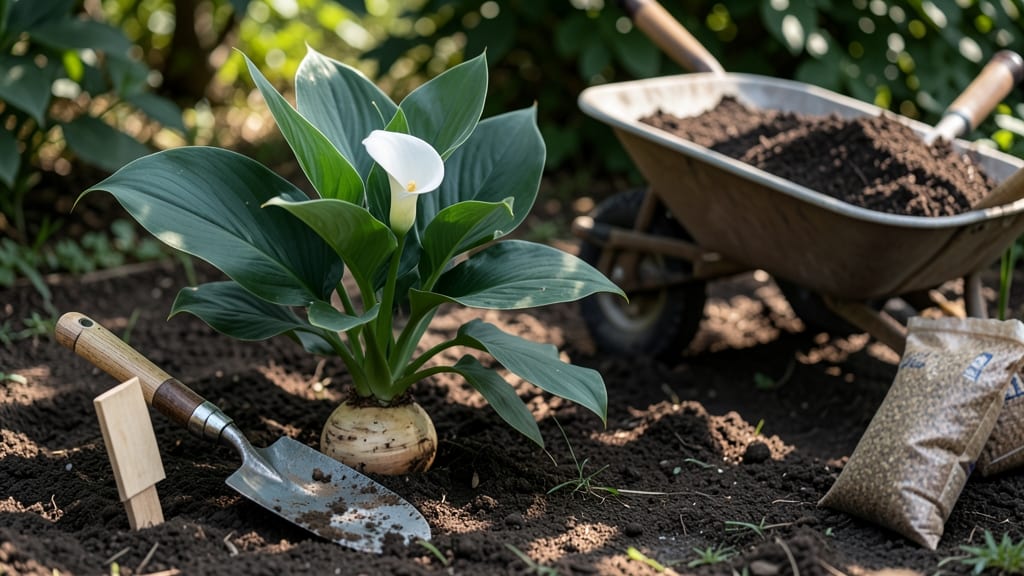
Timing your calla lily bulb planting in Zone 5 isn’t just about waiting for spring—it’s about catching that sweet spot when soil warmth and frost-free days align. Get it wrong, and you risk frozen bulbs or blooms that never arrive.
The key? Planting after the last frost when soil hits 60°F, which typically lands in late May or early June for most of Zone 5.
Why does soil temperature matter more than the calendar? Because calla lilies 🌸 (like many tropical plants) need warmth to wake up and grow. Cold soil can stall roots for weeks, leaving your bulbs vulnerable to late frosts.
I’ll show you how to test soil warmth without fancy tools and when to adjust for your specific microclimate.
Once you’ve nailed the timing, the next critical step is protecting your investment. Mulching with straw or shredded leaves after planting helps retain that precious warmth and keeps weeds at bay. This simple habit can mean the difference between a showstopping summer display and a disappointing flop.
Ready to transform your garden? I’ll walk you through everything—from choosing the right varieties for Zone 5 to troubleshooting common mistakes. Let’s make sure your calla lilies bloom like they’re in a greenhouse, not just survive another Zone 5 summer.

Zone 5 calla lily planting Dates: soil temperature rules over calendar months
In Zone 5, your calla lily bulbs won’t thrive if planted too early—even if the calendar says spring. The real rule is soil temperature: bulbs need 60°F+ soil to sprout successfully.
Cold soil triggers rot, not growth. Let’s break down the exact planting windows and how to time it right for your region’s frost patterns.
Most Zone 5 gardeners plant calla lilies between late May and early June, but this varies by last frost date and soil warming speed. For example, Chicago’s average last frost is May 10, but soil may not hit 60°F until June 1.
Meanwhile, Denver’s soil warms faster, often ready by late May.
Here’s the golden rule: Wait until soil reaches 60°F at a 4-inch depth. This usually aligns with 2-4 weeks after your last frost date, depending on your microclimate.
For example, northern Zone 5 (like Minneapolis) may need to wait until mid-June, while southern Zone 5 (like Kansas City) can plant as early as late May.
| Zone 5 Region | Average Last Frost | Ideal Planting Window | Soil Temp Check |
|---|---|---|---|
| Northern Zone 5 (e.g., Minneapolis) | May 15 | Mid-June | 60°F+ by June 10 |
| Central Zone 5 (e.g., Chicago) | May 10 | Late May to early June | 60°F+ by May 25 |
| Southern Zone 5 (e.g., Kansas City) | April 25 | Late May | 60°F+ by May 15 |
If you’re eager to see blooms, aim for early June planting—this gives bulbs 8-10 weeks to establish roots before summer heat. Late bloomers (like Calla ‘Black Star’) can handle a July planting, but expect fewer flowers.
Pro tip: Use a soil thermometer ($10 at garden centers) to confirm readiness before planting.
For container gardening in Zone 5, you can plant 2 weeks earlier since pots warm faster. Place containers on black plastic mulch or a heat-absorbing mat to speed up soil warming. Just ensure pots have drainage holes to avoid waterlogged roots.
One common mistake? Planting calla lilies too deep. Bury bulbs 4 inches deep—any deeper, and they won’t sprout. Space them 6 inches apart for full-size varieties or 4 inches apart for dwarf types. Use a well-draining mix of garden soil and compost to prevent rot.
After planting, mulch heavily (3-4 inches of straw or shredded leaves) to insulate roots and retain moisture. This is especially critical in Zone 5’s temperature swings. Water deeply once a week during establishment, keeping soil consistently moist but not soggy.
Remember: Calla lilies are not frost-hardy. If an unexpected late frost hits after planting, cover bulbs with row fabric or a cloche until temperatures stabilize. Once established, they’ll reward you with summer blooms until fall.
For extended blooming, deadhead spent flowers and fertilize lightly with a balanced 10-10-10 mix every 4-6 weeks. In Zone 5’s short growing season, this simple care keeps your callas thriving longer.
🌸
Zone 5 calla lily planting Dates: soil temperature rules over calendar months
In Zone 5, the key to successful calla lily bulb planting isn’t just checking your calendar—it’s waiting for soil temperatures to hit 60°F (15°C) or warmer. Cold soil slows root growth, leaving bulbs vulnerable to rot or frost damage.
Most gardeners in Zone 5 aim for planting between late May and early June, but this can shift 2-3 weeks earlier or later depending on your microclimate.
For example, areas like Chicago or Minneapolis often see safe planting dates around May 20–June 5, while milder pockets like northern Indiana might start as early as mid-May.
The goal? Plant when the ground stays above 60°F for at least 5 days straight. This ensures roots establish before summer heat arrives.
| Planting Window | Soil Temp Requirement | Zone 5 Average Dates | Risk if Planted Too Early |
|---|---|---|---|
| Early Bloomers (e.g., 'Black Star') | 60°F+ (15°C+) | Late May–Early June | Fungal rot, stunted growth |
| Standard Varieties (e.g., 'Pink Fantasy') | 60°F+ (15°C+) | Mid-May–Late June | Delayed blooming, weak stems |
| Late Bloomers (e.g., 'White Queen') | 60°F+ (15°C+) | Early June–Mid-July | Frost damage to emerging shoots |
*Dates vary by microclimate—always test soil before planting!
If you’re unsure about soil warmth, use the wrist test: Stick your hand in the soil for 10 seconds. If it feels warm but not hot (like a summer day), it’s ready.
For extra protection, plant bulbs in containers or use black plastic mulch to warm the soil faster. This is especially helpful in northern Zone 5 where springs can linger cold.
Another pro tip: Plant calla lily bulbs 4 inches deep and 6 inches apart in well-draining soil mixed with compost. This depth helps insulate roots from temperature swings. After planting, water deeply to encourage root growth, but avoid soggy soil—calla lilies hate wet feet.
For gardeners in Zone 5b (colder microclimates), consider starting bulbs in pots indoors 4–6 weeks before your target outdoor date. This gives roots a head start before transplanting. Just be sure to harden off plants for a week before moving them outside to prevent shock.
Remember, late planting isn’t a deal-breaker—calla lilies can handle early summer plantings as long as soil stays warm. However, blooms may arrive later in the season. The trade-off? Fewer pest pressures (like slugs) and more time to establish before winter.