
Plants
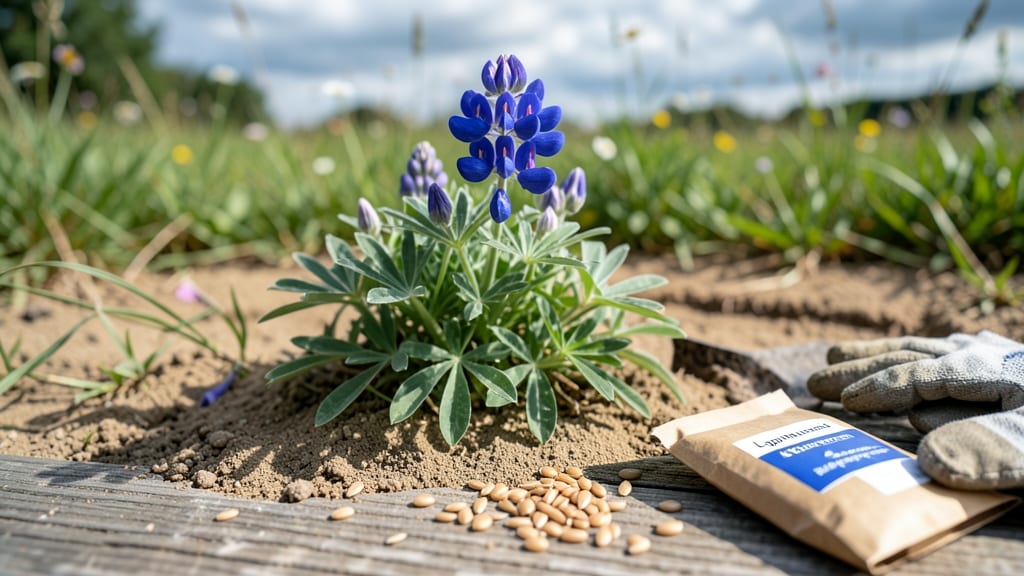
If you’ve ever dreamed of waking up to a sea of blue 🌼 blanketing Austin’s streets in spring, knowing when to plant bluebonnet seeds in Austin is the game-changer between a stunning display and a bustling disappointment.
The key? Planting them 6-8 weeks before Austin’s first frost—typically between late September and October—when the soil cools and chill-hours kick in.
Why does this matter? Bluebonnets need 200-400 hours below 45°F to trigger germination, and Austin’s Zone 8b climate delivers the perfect balance of warmth and chill. Plant too early, and your seeds might sprout before winter; too late, and they’ll miss the critical dormancy period.
The result? Weak growth or no blooms at all.
I’ll walk you through the exact window, soil prep tricks, and frost-proofing tips to ensure your bluebonnets thrive. Whether you’re a first-time gardener or a seasoned Austin green thumb, these insights will help you transform your yard into a springtime masterpiece—just like the iconic Hill Country landscapes.
Ready to turn your plot into a bluebonnet paradise? Let’s dive into the step-by-step timing and care secrets that’ll make your neighbors green with envy.
Austin’s bluebonnet planting calendar: chill-hours explained
Austin’s bluebonnet magic begins with chill-hours—the number of hours below 45°F your seeds need to break dormancy. For Austin’s USDA Zone 8b, aim for 200-400 chill-hours to trigger reliable blooms.
This typically lands in late September through October, when daytime temps drop but nights stay mild enough for germination.
Why fall? Bluebonnets are cool-season annuals that need winter’s chill to set flower buds. Planting too early (like August) risks premature sprouting before Austin’s first frost, while waiting until November may leave seeds dormant too long.
The 45-day window between late September and mid-October is your sweet spot for peak bloom density next spring.
Here’s how Austin’s climate stacks up: The average first frost hits December 15, giving seeds 6-8 weeks of cool weather to establish roots before winter dormancy. If you plant in early October, you’ll catch the tail end of summer warmth while still accumulating enough chill-hours by December.
| Planting Window | Chill-Hours Accumulated | Austin Climate Notes | Bloom Timing |
|---|---|---|---|
| Late September | 150-250 hours | Warm days, cool nights; minimal frost risk | March-April |
| October (ideal) | 250-400 hours | Peak chill-hour accumulation; first frost possible late month | Late March-May |
| November (late) | <300 hours (risk of insufficient chill) | Cooler temps; seeds may not germinate before winter | Sparse or delayed blooms |
Pro tip: Austin’s microclimates can vary wildly. If you’re in a warmer pocket (like near Lady Bird Lake), plant 2 weeks earlier. Conversely, elevated areas (like West Austin) may need seeds sown 1-2 weeks later to avoid early frosts.
Check your last frost date—typically January 15—and count backward 6-8 weeks for your ideal window.
Don’t overlook soil temperature—bluebonnets need soil to be 60-70°F for germination. In Austin, this usually aligns with late September, but if summer lingers, wait until soil cools naturally. Test with your hand: If it’s too hot to hold for 5 seconds, wait a few more days.
What if Austin’s unpredictable weather throws you a curveball? A light frost (28-32°F) after planting won’t kill seeds—it’ll actually help them stratify. Just avoid hard freezes (below 28°F) in the first 2 weeks post-planting. Use row covers if a freeze is forecasted during your planting window.
For reliable blooms, pair your planting date with seed age.
Fresh seeds (from current year) germinate faster but may need more chill-hours. 2-year-old seeds often perform better in Austin’s climate—ask local nurseries for “pre-chilled” varieties or soak seeds in lukewarm water for 24 hours before planting to kickstart germination.
Remember: Bluebonnets are self-seeding volunteers, but timing matters for the most vibrant displays. If you plant too early, you’ll get weak, leggy stems that flop in spring.
Plant too late, and you might miss the chill-hour threshold entirely. Aim for that sweet spot in October when Austin’s cool nights and warm days create perfect conditions.
🌼 Key Takeaway: Your October 1-15 window is Austin’s golden ticket for bluebonnet success—balance chill-hours, soil temps, and frost timing to unlock those iconic Texas blue blooms.
Step-by-step fall planting guide for Austin’s soil and weather
Planting bluebonnet seeds in Austin requires a light touch and precise timing to beat the region’s unpredictable weather. Unlike northern climates, Austin’s USDA Zone 8b means seeds need 200-400 chill hours below 45°F—but too much rain or early frost can derail germination. Here’s how to nail it every time.
Start by preparing your soil in early September when temperatures still allow seedling establishment before winter. Austin’s alkaline soil (pH 7.5-8.5) is ideal for bluebonnets—no amendments needed! Simply rake the surface to create a fine seedbed without burying seeds, as light triggers germination.
Scatter seeds thinly (about 1/4 lb per 100 sq ft) in rows or random patterns. Avoid covering them; press them lightly into soil with your hand or a board. This mimics natural conditions where seeds lie on prairie soil until winter’s chill breaks dormancy.
Select full-sun locations (6+ hours daily) with well-draining soil. Avoid low spots where frost lingers.
Aim for late September to October, after Austin’s first frost (Dec 15 avg) but before Nov 15 to ensure seeds experience winter chill.
Give seeds a gentle mist to settle into soil, then skip watering until green shoots appear (usually 2-3 weeks). Overwatering causes rot.
Use the National Weather Service for Austin’s last frost date (Jan 15). If seedlings emerge before winter, mulch lightly to protect from 28°F temps.
Once 4-6 inches tall, thin to 6-12 inches apart for full blooms. Use scissors to avoid disturbing roots.
After planting, resist the urge to fertilize—bluebonnets thrive in low-nutrient soil. Instead, let nature do the work: winter rains will naturally water your seeds, while spring’s warmth triggers blooms. If drought hits, water deeply every 2 weeks to encourage deep roots.
Austin’s unpredictable weather can throw off timing, but planting in late September gives seeds the best shot at 200+ chill hours before spring. Check the Texas A&M AgriLife Extension for real-time frost updates, and you’ll be rewarded with vibrant blue carpets by March.
Pro tip: Mark your planting date with a garden flag to track chill hours. If Austin’s winter is milder than usual (like in 2023’s warm spell), consider a light shade cloth to delay germination until after January’s cold snap.