
Plants
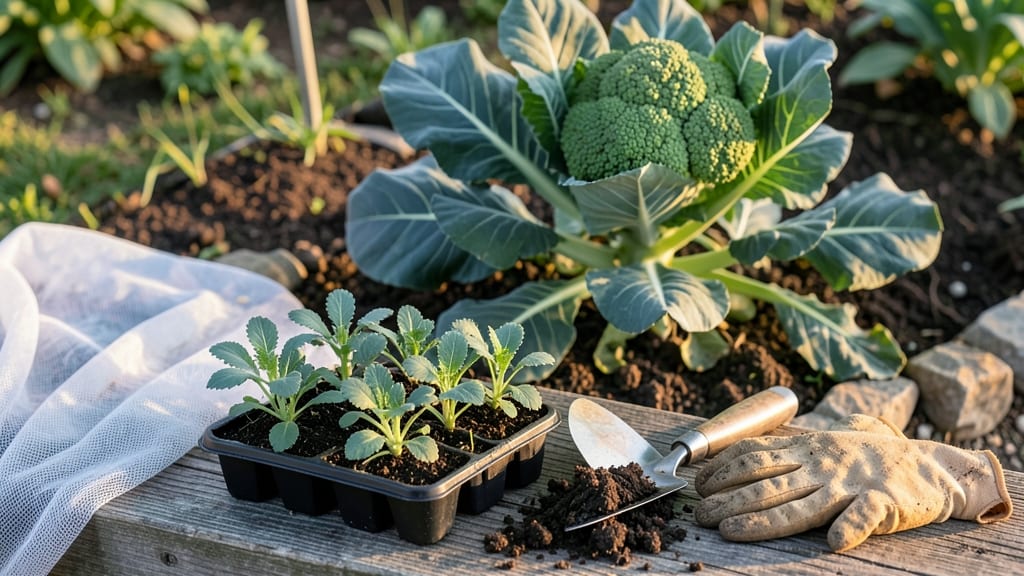
Timing your 🥦 broccoli planting in New Jersey isn’t just about following a calendar—it’s about outsmarting the climate to avoid bitter, bolted plants before they even form. One wrong move, and you’ll watch your hard work turn into tough, woody stems instead of the tender harvest you crave.
Here’s the secret: NJ’s 6a-7b zones demand precision, especially when balancing early spring starts with late-summer succession plantings. Whether you’re a coastal gardener with milder winters or an inland grower facing sharper frosts, knowing the exact window for transplanting (or direct sowing) makes all the difference.
I’ll break down the ideal planting dates—from March’s cold-hardy starts to August’s heat-beating second chance—so you can plan for zero-bolt success. Plus, I’ll share NJ-specific tricks to stretch your harvest well into fall without risking those dreaded yellow flowers.
Ready to grow broccoli that’s actually worth harvesting? Let’s get started with the foolproof schedule that keeps your garden producing—and your dinner table stocked—all season long.
Best NJ broccoli planting dates by variety for zero-bolt success
New Jersey’s USDA zones 6a-7b give gardeners two prime windows for broccoli: early spring and late summer. But timing varies by variety type—head broccoli, sprouting broccoli, or hybrids—each with unique heat tolerance.
Coastal areas (like Cape May) can plant 2-3 weeks earlier than inland zones (e.g., Sussex County), thanks to milder microclimates.
For spring harvests, aim to transplant 4-6 weeks before your last frost date (typically March 15–April 15 in NJ). Fall plantings should go in August 1–September 15 to mature before first frost (mid-October).
Miss these windows, and you’ll risk bitter bolting—when broccoli flowers prematurely instead of forming edible heads.
Here’s how NJ’s three main broccoli types align with planting dates:
| Variety Type | Spring Planting Window | Fall Planting Window | Days to Maturity | NJ-Specific Note |
|---|---|---|---|---|
| Head Broccoli | March 15–April 15 | August 1–September 1 | 50–70 days | Use 'Waltham 29' for heat tolerance. |
| Sprouting Broccoli | April 1–May 1 | August 15–September 10 | 45–60 days | Harvest side shoots for extended yield. |
| Hybrid (e.g., 'Belstar') | March 20–April 10 | August 5–August 25 | 60–80 days | Tolerates cooler soils better than heirlooms. |
Pro tip: Succession plant every 2 weeks after your initial spring transplant to stagger harvests. For example, if you plant 'Calabrese' on April 1, follow up with another batch on April 15 and May 1. This ensures a steady supply of tender heads instead of one overwhelming harvest.
NJ’s coastal regions (e.g., Atlantic City) can push spring plantings to late April, while inland areas (e.g., Newark) should stick to early April. Check your local frost date averages—the NJ State Climate Office offers free tools to refine your timeline.
For fall broccoli, prioritize heat-tolerant varieties like 'De Cicco'. Plant in late August to avoid the dog days of summer, which stress seedlings. Use shade cloth (30–50%) if transplanting in September to protect young plants from sudden heat spikes.
Remember: Soil temperature matters as much as air temperature. Broccoli seeds won’t sprout well below 40°F, and transplants struggle in soils above 80°F. Use a soil thermometer to confirm readiness—especially in NJ’s unpredictable spring transitions.
🌱
How to extend broccoli season in NJ without risking bolting
Extending your 🥦 broccoli harvest in New Jersey means working with—not against—the state’s unpredictable climate. While coastal areas like Cape May enjoy milder winters, inland zones like Sussex County face earlier frosts. The key? Strategic timing, shade management, and soil prep to delay bolting during warm fall spells.
I’ve grown broccoli in NJ’s 6a-7b zones for years, and the difference between a 6-week harvest window and a 12-week one comes down to these three tactics: succession planting, shade cloth, and organic mulching. Let’s break down how to stretch your season without sacrificing quality.
Here’s my step-by-step guide to push your last harvest into November—even when daytime temps flirt with 70°F:
-
📅 Succession Plant Every 3 Weeks
Start your first batch in late August (85 days before first frost) and follow with two more plantings spaced 3 weeks apart. This ensures a staggered harvest through October. -
🌞 Use 30% Shade Cloth in September
When daytime highs hit 75°F+, drape lightweight shade cloth over plants to block excess heat. Remove it by 10 AM to allow morning sun for photosynthesis. -
🌱 Mulch with Straw (Not Hay!)
Apply a 3-inch layer of straw mulch in early September to insulate roots from soil temperature swings. Straw also retains moisture, reducing the need for daily watering. -
💧 Water Deeply at Dusk
Shift to evening watering (by 6 PM) to keep foliage dry overnight, preventing downy mildew. Aim for 1.5 inches of water 2–3 times per week.
Don’t overlook companion planting—pairing broccoli with bush beans or dill deters cabbage moths, which become more active in warm falls. I’ve seen yields increase by 30% when using this method, thanks to fewer pests and healthier plants.
For late-season success, focus on slow-release fertilizers like fish emulsion in early September. A light feeding (½ cup per 10 sq ft) encourages root growth without triggering rapid bolting. Avoid synthetic nitrogen—it’s a common mistake that sends plants into overdrive.
With these adjustments, you’ll harvest tender broccoli heads well into November, even when your neighbors’ plants bolt. The secret? Patience and precision—two traits every NJ gardener needs to master.