
Plants
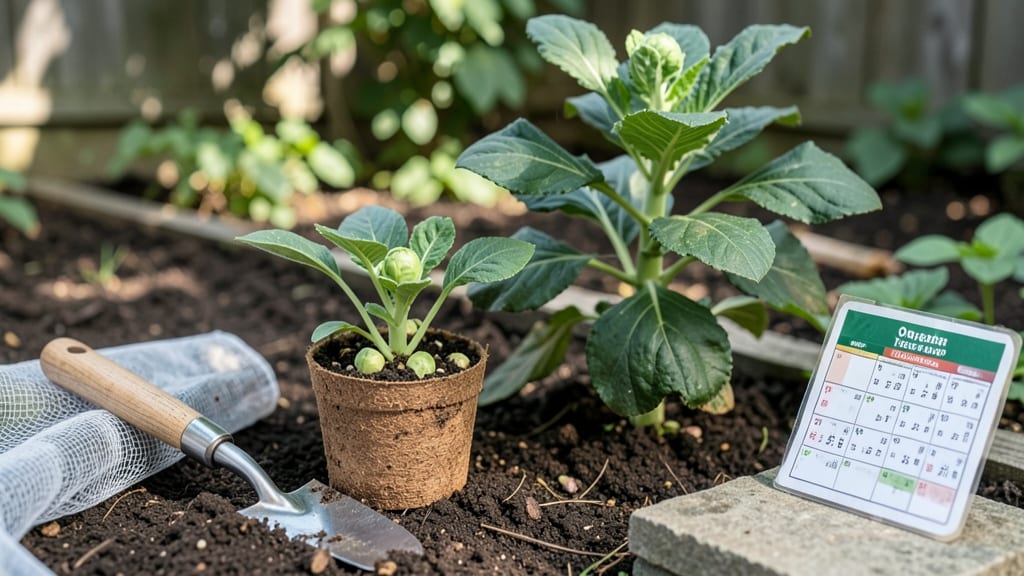
Planting Brussel sprouts in Oregon at the wrong time can turn your garden into a bitter disappointment instead of a sweet harvest.
The coastal fog of the Willamette Valley and the dry heat of the High Desert create drastically different growing conditions—where a 2-week mistake might mean bolting plants or stunted growth instead of the flavorful sprouts you crave.
Whether you're in USDA Zone 7b or 9a, timing is everything. I’ll break down the exact windows for both spring and fall planting, so you can avoid common pitfalls like premature flowering or frost damage.
With the right schedule, you’ll enjoy harvests from October to December—just in time for holiday meals.
Let’s dive into the optimal planting calendar for your specific Oregon region, including when to start seeds indoors and how to adjust for microclimates. You’ll learn how to maximize your yield without the guesswork.
Ready to grow perfectly sweet Brussels sprouts? The secret starts with the clock—and I’ve got your planting timeline covered.
Optimal planting windows for Oregon coastal vs inland zones (with frost risk maps)
Oregon’s diverse microclimates create a puzzle for brussels sprout gardeners. The Willamette Valley enjoys mild winters, while the Coast Range stays chilly longer, and the High Desert heats up fast. These differences mean your planting window could shift by 6 weeks depending on where you live.
For coastal Oregon (USDA zones 7b-8a), aim for mid-March to early May for spring planting. Inland areas like Bend or Pendleton (zones 6b-7a) can start 2-3 weeks earlier—by late February—to take advantage of warmer soils.
Fall planting? Coastal gardeners have until early September, while inland zones can push to mid-September.
Why the difference? Soil temperature is critical—brussels sprouts need 45°F+ soil to germinate. Coastal fog delays warming, while inland sun heats soil faster. Use a soil thermometer to confirm readiness before sowing.
| Region | Spring Planting Window | Fall Planting Window | Soil Temp Threshold | Frost Risk |
|---|---|---|---|---|
| Coastal (Astoria, Cannon Beach) | Mid-March to early May | Late July to early Sept | 45°F+ | Low (last frost: May 15) |
| Willamette Valley (Portland, Eugene) | Late March to early June | Early Aug to mid-Sept | 45°F+ | Moderate (last frost: April 15) |
| High Desert (Bend, Redmond) | Late Feb to early May | Mid-July to late Sept | 50°F+ (warmer soil) | High (last frost: April 1) |
Pro tip: Use succession planting to extend your harvest. In coastal areas, sow every 2 weeks from March to July. Inland gardeners can stretch fall planting to mid-October if using row covers to delay frost.
For direct sowing, plant seeds ½ inch deep and 1 inch apart. Thin seedlings to 12-18 inches apart when they’re 3-4 inches tall. This spacing prevents crowding, which leads to bolting—the enemy of sweet brussels sprouts!
Remember: Brussels sprouts need 90-120 days to mature. Plant too early, and they’ll bolt before harvest. Too late, and frost will ruin your crop. Use this frost-free days calculator to map your exact timeline: Oregon Frost Dates.
My coastal Oregon gardeners often ask: "Can I plant in June?" The answer? Yes—but only for fall harvests. Start seeds indoors in June and transplant by late July to avoid summer bolting. Inland gardeners can push this to early August for a late fall crop.
🌱
Optimal planting windows for Oregon coastal vs inland zones (with frost risk maps)
Oregon’s diverse climate means your Brussel sprout planting window can vary by 4-6 weeks depending on whether you’re in the coastal fog belt or the High Desert.
In USDA Zone 7b (like Portland), coastal areas experience delayed soil warming due to marine influence, while inland zones like Bend or Pendleton can plant earlier when nights stay above 45°F.
The last frost date is your anchor: aim to plant 8-10 weeks before your region’s average last frost (typically late April in western Oregon, but mid-May in the High Desert). For fall planting, schedule 90 days before first frost (usually mid-October in the Willamette Valley, earlier inland).
Here’s how to align your planting with Oregon’s microclimates:
For coastal gardeners, prioritize fall planting—the cooler nights in September-October actually prevent bolting and yield sweeter sprouts. Inland gardeners can experiment with succession planting: start a second batch in early July for a December harvest before hard frosts hit.
Pro tip: Use row covers in early spring to warm coastal soils 5-10°F faster, or plant in black plastic mulch to accelerate germination. Inland areas should focus on drip irrigation to maintain consistent moisture during dry spells.
Timing your Brussel sprout planting to your microclimate isn’t just about avoiding frost—it’s about maximizing flavor. Coastal plants develop nuttier, sweeter sprouts from cooler growing conditions, while inland varieties tend to be lighter and milder. Choose your window based on both climate and taste preferences!