
Plants
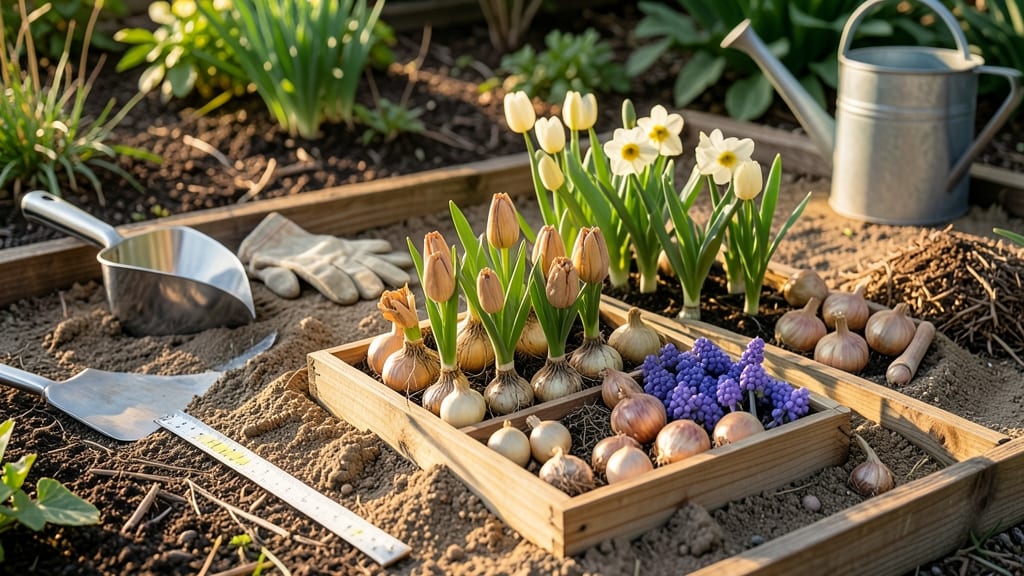
If you’ve ever planted Spring Bulbs (General) in Central Texas only to watch them wilt under the summer sun, you’re not alone. The key to success isn’t just choosing the right 🌷 varieties—it’s timing everything perfectly to beat the heat and drought.
Central Texas’s mild winters and scorching summers create a tricky balance for bulb lovers. Most gardeners assume fall planting means a quick dig-and-forget approach, but the 8a-8b zone demands extra care.
Plant too early, and your bulbs may rot before winter; too late, and they’ll struggle to establish roots before the heat hits.
I’ve tested the best strategies over years of gardening here, and what works isn’t what you’d expect. The secret? Planting in October or November—not just anytime in fall—and selecting bulbs bred to handle Texas’s extremes.
Let me show you exactly which varieties thrive and how to give them the best shot at blooming next spring.
From soil prep to watering hacks, you’ll learn how to turn your yard into a year-round display of color—without losing another bulb to the heat. Ready to make this your most successful planting season yet?
Best heat-resistant bulbs for Central Texas planting (with exact months)
Central Texas's hot summers (100°F+) and mild winters (40-60°F) make traditional spring bulbs like tulips risky—but don't give up! Native and heat-tolerant varieties thrive here year-round. The key? Planting at the right time and choosing drought-resistant species that store moisture efficiently.
Most gardeners mistakenly assume fall planting is the only option, but Central Texas's USDA Zone 8a-8b allows for winter and even early spring plantings. For example, rain lilies (Zephyranthes) can be planted as late as February and still bloom by summer.
Let's dive into the best bulbs for your Texas garden and their precise planting windows.
🌱 DID YOU KNOW? Central Texas's caliche soil (dense, clay-rich) drains poorly—always amend with organic matter before planting bulbs to prevent rot.
| Bulb Type | Best Planting Month | Bloom Season | Sun Needs | Water Needs |
|---|---|---|---|---|
| Rain Lily (Zephyranthes) | September–February | Summer (June–September) | Full sun to part shade | Low (drought-tolerant) |
| Spider Lily (Hymenocallis) | October–November | Spring (March–May) | Full sun to part shade | Medium (water deeply) |
| Crinum Lily (Crinum) | September–October | Summer (July–September) | Full sun | Low (once established) |
| Daffodil (Narcissus 'Texas Dawn') | October–November | Winter (January–March) | Full sun | Medium (avoid soggy soil) |
| Society Garlic (Tulbaghia) | September–February | Year-round (if planted right) | Full sun to part shade | Low (drought-resistant) |
Notice how rain lilies and society garlic have extended planting windows—this flexibility is crucial in Central Texas's unpredictable rainfall. For spring-blooming bulbs like daffodils, aim for October–November to give roots time to establish before winter rains arrive.
Pro tip: Plant bulbs in raised beds if your yard has heavy clay soil. This improves drainage and prevents bulb rot during our hot, wet springs. Add coarse sand or perlite to native soil for even better results.
For summer-blooming bulbs like crinum lilies, September–October is ideal because they need 6–8 weeks of warm soil to sprout before 100°F+ temperatures hit. Plant them shallowly (2–3 inches deep) to encourage quick root growth.
💡 EXPERT TIP: Mulch with 2–3 inches of straw after planting to retain moisture and regulate soil temperature. This is especially critical in Central Texas's erratic weather—drought followed by sudden downpours.
If you're new to Texas gardening, start with rain lilies—they're foolproof, drought-tolerant, and bloom without fail after rains. For showstopper blooms, pair spider lilies with dwarf crinum lilies in full-sun borders.
One common mistake? Planting traditional tulips in Central Texas. They won't survive our summers—instead, opt for heat-loving natives like blue-eyed grass (Sisyrinchium) or wild onion (Allium) for year-round interest.
Central Texas bulb planting timeline: month-by-month breakdown for success
Timing is everything when planting bulbs in Central Texas, where the window between summer’s brutal heat and winter’s mild chill is razor-thin. Unlike cooler climates, you can’t just plant in early fall and forget about it—your bulbs need precise care to survive our 8a-8b zone’s extremes.
I’ve broken down the exact steps for each month to ensure your bulbs establish roots before the heat returns.
Start with October, your prime planting month. This is when soil temperatures drop enough for bulbs to root without rotting. Aim for 6-8 weeks before the first frost (around mid-December in Central Texas), giving them time to anchor before winter.
If you miss October, don’t panic—November is still ideal, though you’ll need to monitor soil moisture closely.
Here’s your month-by-month roadmap to success, including soil prep and moisture tips tailored to Texas conditions:
Choose heat-resistant bulbs like spider lilies or rain lilies. Plant in well-draining soil mixed with compost, and water deeply after planting to settle the soil.
Add a 2-inch mulch layer to retain moisture and insulate roots. Reduce watering as rains increase, but keep soil consistently moist—not soggy.
Bulbs enter dormancy. Water only if soil is bone-dry, and avoid disturbing the area. This is when Texas’s mild winters work in your favor—no harsh freezes to stress your plants.
As temperatures rise, water deeply once a week to encourage root growth. Avoid fertilizing yet—wait until you see new foliage emerging.
This is your reward! Enjoy the flowers, but don’t cut back foliage until it yellows naturally—this feeds the bulb for next year’s blooms.
After blooming, reduce watering to bi-weekly to toughen bulbs for summer. Mulch again to suppress weeds and retain moisture.
Pro tip: Use a soil thermometer to check depths—ideal planting temps are 60-65°F. If your soil runs hotter, wait a few more weeks or plant deeper to escape the heat. Central Texas’s caliche soil can be tricky, so amend with organic matter to improve drainage.
By following this timeline, you’ll give your bulbs the best shot at thriving through our 100°F summers and mild winters. The key is patience—rushing the process is the fastest way to failure in this climate. Stick with it, and you’ll have bulbs blooming reliably for years to come.