
Plants
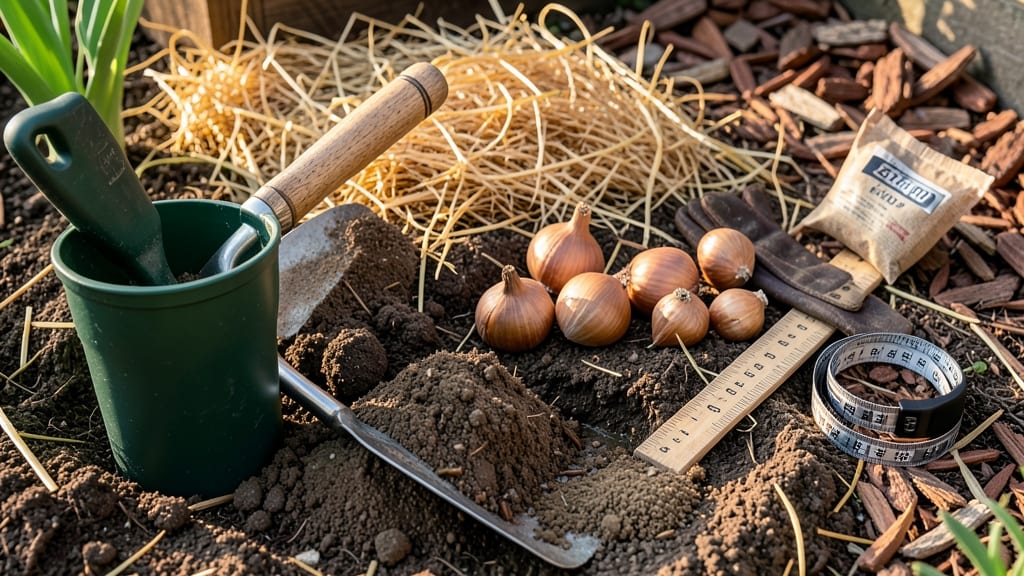
Timing when to plant bulbs in Maine just right isn’t just about the calendar—it’s about outsmarting frost before it freezes your dreams of next spring’s vibrant blooms.
With Maine’s Zone 5b-6a climate, planting too early can leave bulbs vulnerable to heaving soil, while waiting too long risks weak root growth before winter sets in. The sweet spot? September through November, when soil temps drop but frost hasn’t locked the ground yet.
But here’s the catch: Coastal Maine (like Portland) can plant 2 weeks earlier than inland areas (think Presque Isle), thanks to milder microclimates. I’ll break down exactly how to adjust your schedule—and what to watch for to avoid common mistakes.
Ready to turn your garden into a zero-frost success story? Let’s dive into the precise window, soil prep secrets, and microclimate hacks that’ll have your tulips and daffodils popping up like clockwork.
Maine’s ideal bulb planting zones by month (with frost-date adjustments)
Maine’s USDA Zones 4–5 mean your bulb planting timeline hinges on frost dates that shift yearly. Most gardeners aim for 6–8 weeks before ground freeze, but coastal areas like Portland enjoy a 2-week earlier window than inland spots like Presque Isle.
Let’s break down the exact months for spring-flowering bulbs (tulips, daffodils, hyacinths) and fall-planted varieties.
For spring bulbs, the ideal window spans September through November. Plant too early (August) and bulbs may sprout before winter; too late (December) and roots won’t establish before freeze. Fall-planted bulbs like crocuses or snowdrops can go in as late as early December in milder microclimates.
Always check your local last frost date—Maine’s ranges from mid-October inland to late October coastal.
Soil temperature is your best guide. Use a soil thermometer to confirm 50–60°F for 6+ inches deep. In Zone 5b (most of Maine), this typically aligns with late September to early October. For Zone 4 areas (northwest Maine), wait until early October to avoid frost damage.
Depth matters too! Plant bulbs 3x their height deep—6–8 inches for most varieties. In sandy Maine soil, add compost to improve moisture retention. Use well-draining soil mixes to prevent rot, especially in clay-heavy areas like Augusta.
Pro Tip: Label your bulbs! Maine’s variable winters can make it hard to remember what’s where. Use biodegradable plant markers to track varieties like ‘Geranium’ tulips or ‘Ice Follies’ daffodils.
🌱 Maine Bulb Planting Summary Table
| Bulb Type | Ideal Planting Month | Soil Temp Goal | Depth (inches) | Maine Microclimate Note |
|---|---|---|---|---|
| Tulips | September–October | 50–60°F | 6–8" | Coastal: Sept 15–Oct 15 |
| Daffodils | October–November | 45–55°F | 6–8" | Inland: Oct 1–Nov 1 |
| Hyacinths | September–October | 50–60°F | 6" | All zones: Avoid waterlogged soil |
| Crocuses | September–October | 40–50°F | 3–4" | Early bloomers; plant first |
| Alliums | September–October | 50–60°F | 6–8" | Drought-tolerant; great for rocky soil |
After planting, mulch heavily with 4–6 inches of straw or leaves to insulate bulbs. In Zone 4, add an extra 2 inches of mulch. This prevents soil heaving—when frozen soil expands and pushes bulbs up, exposing them to frost. Test your mulch’s
How to adjust planting dates for Maine’s microclimates (coastal vs. inland)
Maine’s coastal regions like Portland and Camden enjoy 2-3°F warmer soil temps than inland areas, which means you can start planting bulbs 2 weeks earlier—typically by late August instead of early September.
This microclimate shift can make the difference between bulbs that thrive and ones that heave out of frozen soil.
Inland areas—think Bangor, Presque Isle, or the Moorhead region—often face earlier frost and colder soils. Here, aim to plant by mid-September to give roots time to establish before the ground freezes. A soil thermometer reading of 50°F (10°C) at 4 inches deep is your green light.
🌱
| Region | Ideal Planting Window | Soil Temp Threshold | Microclimate Tip |
|---|---|---|---|
| Coastal (Portland, Camden) | Late August – Early October | 50–55°F (10–13°C) | Plant 2 weeks earlier; coastal winds delay frost. |
| Inland (Bangor, Presque Isle) | Mid-September – Mid-October | 45–50°F (7–10°C) | Use extra mulch (4–6 inches) to insulate soil. |
| Northern (Acadia, Bar Harbor) | Late September – Early November | 40–45°F (4–7°C) | Wait for first frost; test soil weekly. |
For coastal gardeners, focus on daffodils and crocuses, which handle slightly warmer soils better than tulips. Inland areas should prioritize tulips and hyacinths, which need colder temps to bloom reliably.
Always adjust for elevation: Higher elevations (like Mount Katahdin) may need a 3-week delay compared to sea-level sites.
Pro tip: If you’re unsure about your microclimate, plant a test batch of bulbs in early September. If they sprout before winter, they’ll survive—just mulch heavily to protect them. If they don’t sprout until spring, you’ve planted too late.
🌿
Layered mulching is your best friend in Maine’s unpredictable fall weather. Use a 3-inch base of straw followed by 2 inches of leaves or pine needles to insulate bulbs. This combo traps heat while allowing moisture to drain—critical for preventing rot during Maine’s thaw-freeze cycles.
✂️