
Plants
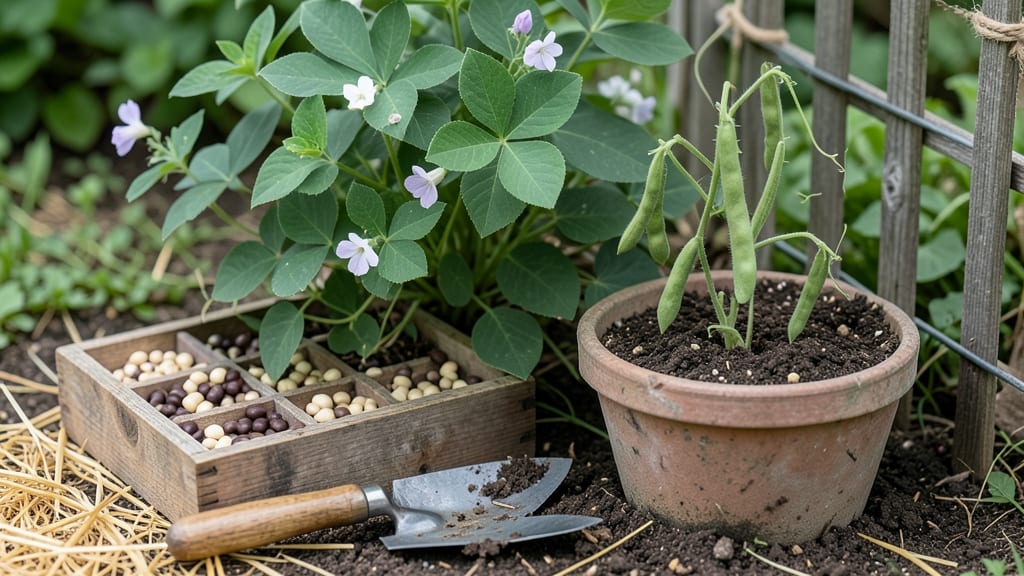
Timing your butter bean planting in North Carolina can mean the difference between a thriving garden and a sad, wilted disappointment. These heat-loving legumes need the right conditions—warm soil, consistent warmth, and just enough time to mature before frost hits.
Most gardeners in NC’s 7a-8b zones know the struggle: plant too early, and frost zaps your crop; too late, and you miss the harvest window entirely. The sweet spot? After your last frost date—typically mid-April to early May—when soil temperatures hit at least 60°F.
But here’s the secret: you can also plant a second batch in late August for a fall harvest. This two-pronged approach ensures fresh pods from July through November, giving you a steady supply of these creamy, flavorful beans.
Ready to master the timing? I’ll walk you through the exact weeks to plant, how to prep your soil, and even how to stretch your growing season for extra harvests. Let’s get those 🌱 butter beans thriving!
Best planting weeks for butter beans in NC by region
North Carolina’s diverse climate means your butter bean planting window varies wildly between the Coastal Plain, Piedmont, and Mountain regions. In the Coastal Plain (like Wilmington), you can start as early as mid-March—but in the Mountains (like Asheville), wait until late April to avoid frost.
These differences matter because butter beans hate cold soil and need consistent warmth to thrive.
For most of NC, the sweet spot is April 15–May 15, when soil temps hit 60°F+ and frost risk drops to near zero. But if you’re in the Piedmont (Raleigh, Greensboro), aim for early May to play it safe.
Miss this window, and you risk stunted growth or fungal diseases from damp, cool soil.
Here’s the breakdown by region—plus a second planting window for fall harvests that works statewide:
| Region | Last Frost Date | Primary Planting Window | Secondary Planting Window | Harvest Window |
|---|---|---|---|---|
| Coastal Plain (e.g., Wilmington) | Mid-March | March 20–April 15 | August 1–15 | June–July & Sept–Oct |
| Piedmont (e.g., Raleigh) | Late March | April 15–May 1 | August 15–30 | July–Aug & Oct |
| Mountains (e.g., Asheville) | Late April | May 1–15 | August 15–Sept 1 | Aug–Sept & Oct–Nov |
Pro tip: Use a soil thermometer to confirm your soil is 60°F+ before planting. Cold soil delays germination, and butter beans won’t sprout if temps dip below 55°F.
If you’re unsure about your last frost date, check the NC State Climate Office or use Almanac’s Frost Calculator for your ZIP code.
For Coastal gardeners, you can even try an early March planting under row covers or in a greenhouse. But in the Mountains, don’t risk it—wait for May. The difference between a 60-day harvest and a 90-day struggle is often just a few weeks of patience.
Once you’ve locked in your planting window, focus on soil prep. Butter beans love well-draining, slightly acidic soil (pH 6.0–6.8). Mix in compost or aged manure 2–3 weeks before planting to boost nutrients. Avoid fresh manure—it can burn roots and attract pests.
After planting, keep soil consistently moist (but not soggy) until germination, which takes 7–14 days. Once sprouted, reduce watering slightly to 1–2 inches per week, focusing on the root zone. Drip irrigation or soaker hoses work best—they prevent fungal diseases that thrive in wet foliage.
Here’s a quick post-planting
How to extend butter bean season in NC: staggered plantings & succession tips
North Carolina’s short growing season doesn’t have to limit your butter bean harvest. With strategic planning, you can enjoy fresh pods from July through November—or even longer! The key lies in staggered plantings and simple season-extending tricks tailored to NC’s 7a-8b climate.
Most gardeners focus on the spring planting window (April-May), but I’ve found that a late summer batch (August) can yield a second harvest just before frost. This two-planting approach ensures continuous production while minimizing risk. Let’s break down how to make it work in your garden.
Here’s the secret: soil warmth and microclimate control. Butter beans need soil at 60°F+ to germinate, but NC’s summer heat can push planting later than you’d expect. By using black plastic mulch or row covers, you can warm soil faster and protect young plants from unexpected chills.
Butter beans prefer pH 6.0-6.8. Amend with compost if needed to improve drainage and fertility.
Lay mulch 2 weeks before planting to raise soil temps by 5-10°F, speeding germination.
Sow seeds every 2 weeks from April to early June for a rolling harvest.
Use 30% shade cloth in August to protect plants from intense afternoon sun while keeping temps ideal.
Opt for 55-60 day varieties like ‘Contender’ or ‘Purple Hull’ to maximize fall harvests.
For Coastal NC, where summers are longer, you can push the second planting to early September. In the Piedmont, aim for mid-August, and in the Mountains, stick to late July to avoid early frosts. Always check your local USDA frost dates—they’re your best guide!
Pro tip: Companion planting with marigolds or basil can deter pests like bean beetles, giving your extended-season plants extra protection. And remember, consistent watering (1-2 inches per week) is critical—especially during NC’s hot, humid summers.
With these tricks, you’ll turn NC’s short growing season into a long butter bean feast. Happy planting—your taste buds (and dinner table) will thank you! 🌱