
Flowers
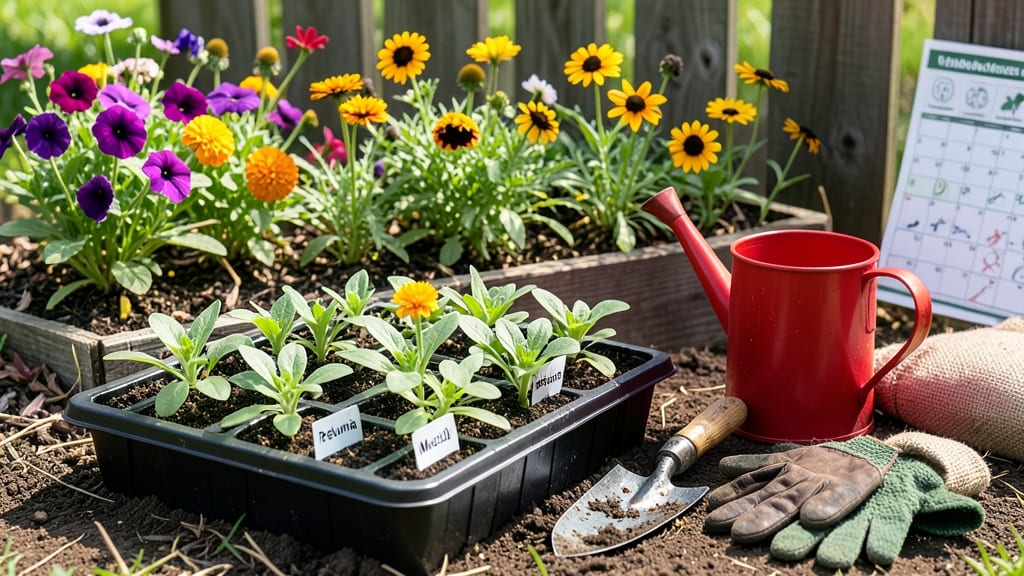
Timing your flowers planting in Pennsylvania can mean the difference between a showstopping garden and a sad, frost-nipped disappointment. With USDA Zones 5b-7a and microclimates ranging from the Poconos to Pittsburgh, there’s no one-size-fits-all answer—but getting it right unlocks vibrant blooms from spring to fall.
Most gardeners know spring is the prime time to plant 🌸 flowers, but did you know fall planting can give you a head start on next year’s blooms?
The key lies in understanding your local frost dates—like the average last frost around April 15—and choosing the right varieties for your region’s unique conditions.
Whether you’re a seasoned gardener or just starting, I’ll break down the exact weeks to plant annuals, perennials, and bulbs in Pennsylvania’s distinct zones. No more guessing—just zero-frost-risk blooms that thrive all season long.
Ready to transform your garden? Let’s dive into the science-backed planting schedule that’ll have your flowers blooming like never before.
Pennsylvania’s frost-free planting zones: when to plant by region
Pennsylvania’s diverse climate spans USDA Zones 5b-7a, meaning frost dates vary dramatically from the Poconos Mountains to Philadelphia’s urban heat islands. Understanding these microclimates is key to avoiding frost damage and maximizing bloom time. Let’s break down the five key regions and their ideal planting windows.
For annual flowers, timing is critical—plant too early, and frost will kill tender seedlings.
For perennials, early spring or fall planting gives roots time to establish before extreme temperatures. Bulbs like tulips and daffodils should go in the ground by late fall, but timing depends on your zone.
Here’s how to align your planting with Pennsylvania’s frost-free windows, ensuring your garden thrives from spring’s first blooms to fall’s final colors.
| Region | Last Frost | First Frost | Best Planting Window | USDA Zone |
|---|---|---|---|---|
| Poconos (NE PA) | May 10-15 | October 1-5 | Annuals: May 20-June 10 Perennials: April 15-May 10 or Sept 15-Oct 10 |
5b-6a |
| Pittsburgh (SW PA) | April 25-May 5 | October 10-15 | Annuals: May 15-June 1 Perennials: April 1-May 15 or Sept 1-Oct 15 |
6a-6b |
| Central PA (Harrisburg) | April 20-May 1 | October 5-10 | Annuals: May 10-June 1 Perennials: April 1-May 15 or Sept 15-Oct 10 |
6b-7a |
| Philadelphia (SE PA) | April 15-20 | October 10-15 | Annuals: May 1-June 1 Perennials: April 1-May 10 or Sept 1-Oct 10 |
7a-7b |
| Erie (NW PA) | May 1-10 | October 5-10 | Annuals: May 15-June 5 Perennials: April 15-May 10 or Sept 15-Oct 5 |
5b-6a |
Notice how Philadelphia’s urban heat pushes frost dates later than rural areas? This microclimate effect means gardeners in cities can plant 2-3 weeks earlier than their countryside neighbors. Even within a single county, elevation changes can shift frost dates by 1-2 weeks—higher areas freeze sooner.
For elevation-specific adjustments, add 1 day of frost risk per 100 feet above sea level. So if your garden sits at 1,500 feet, expect frost 15 days earlier than the regional average. Use this rule to fine-tune your planting schedule for mountain gardens or valley locations.
Pro tip: Check your local Cooperative Extension Service for hyper-local frost data. Their records often include decade-specific trends that account for climate shifts. For example, Pittsburgh’s last frost has crept 3 days later over the past 20 years—adjust accordingly.
Now that you’ve got your region-specific timeline, let’s dive into which flowers thrive in each season and how to keep them blooming all year long. The key? Succession planting and frost-proofing strategies—we’ll cover those next.
Remember: Perennials planted in fall often establish stronger root systems before winter, giving you earlier and more robust blooms the following spring. Don’t miss out on this underused trick for a head start on your garden’s beauty.
Best flowers to plant by season in PA: month-by-month timeline
Pennsylvania’s four distinct seasons create perfect conditions for year-round blooms, but each season demands different flower varieties and planting strategies. Spring brings frost-tolerant favorites, summer thrives with heat lovers, and fall rewards you with late-season color.
Let’s map out the best flowers for each month and how to keep them thriving.
For spring planting (March-May), focus on cool-season annuals like pansies and snapdragons that tolerate light frosts. These early bloomers will give you color while summer varieties establish. In summer (June-August), switch to heat-resistant zinnias, marigolds, and sunflowers that flourish in Pennsylvania’s 80-90°F heat waves.
Fall (September-October) is prime time for perennials and bulbs—planting now gives them 6-8 weeks to root before winter. Don’t overlook chrysanthemums and asters, which bloom beautifully in cooler weather and extend your season until first frost.
- 🌱 Early Spring (March-April): Pansies, Snapdragons, Violas – Tolerate 28-32°F frosts; plant 4-6 weeks before last frost.
- ☀️ Late Spring (May): Petunias, Geraniums, Coleus – Wait until soil temps reach 55°F; ideal for containers.
- 🌞 Summer (June-August): Zinnias, Marigolds, Sunflowers – Drought-tolerant; plant after June 15 for best heat resistance.
- 🍂 Fall (September-October): Chrysanthemums, Asters, Pansies – Plant 6-8 weeks before first frost for winter color.
- 🌿 Late Fall (October-November): Bulbs (Tulips, Daffodils) – Plant 6-8 weeks before ground freezes for spring blooms.
Container gardening is a game-changer for late-season planters. Pots warm faster than soil, letting you start zinnias and marigolds 2-3 weeks earlier in spring. Just ensure containers have drainage holes to prevent root rot—especially critical in Pennsylvania’s humid summers.
Pro tip: Use succession planting to extend blooms. For example, sow bachelor’s buttons every 2 weeks in June for continuous color through August. This simple trick keeps your garden vibrant without extra effort.
Remember, perennials planted in fall often bloom earlier and larger the next year. Try coneflowers or black-eyed Susans—they’ll reward you with low-maintenance beauty for years to come. The key? Well-draining soil and mulch to protect roots through winter.
Now that you’ve got your seasonal planting schedule, let’s tackle frost-proofing strategies to push blooms even earlier or later. With row covers, cold frames, and heat-tolerant varieties, you can extend your garden’s season by 4-6 weeks—no frost damage in sight!