
Plants
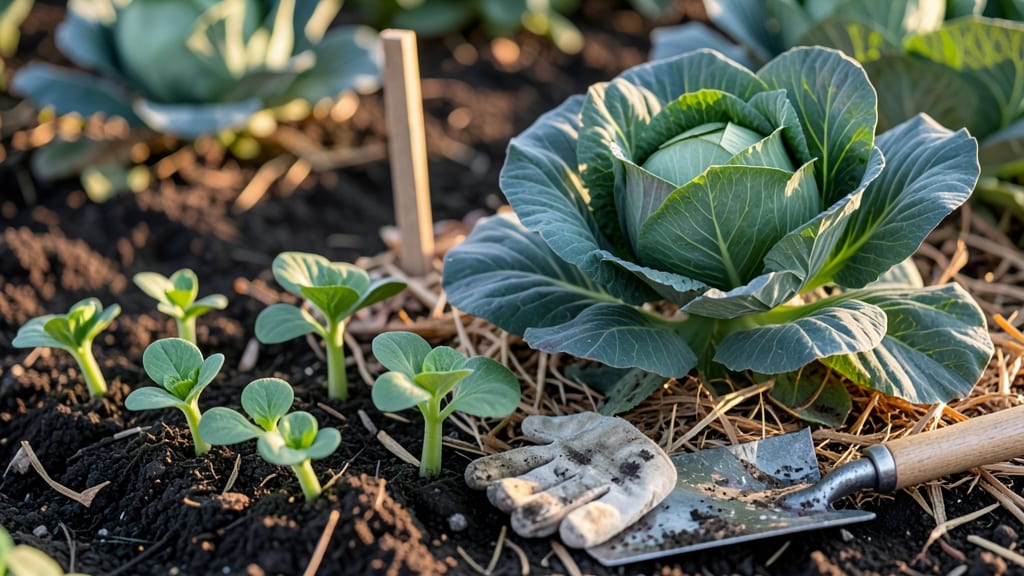
If you’ve ever wondered when to plant cabbage in South Carolina to avoid the heartbreak of bolted, flowery disappointment in the sweltering summer heat, you’re not alone—and timing is the key to success. Planting cabbage at the wrong moment means wilting leaves and bitter disappointment, not crisp, homegrown harvests.
But here’s the good news: with the right schedule and heat-tolerant varieties, you can grow cabbage year-round in SC’s 7b-8a zones, from spring’s mild days to fall’s cooler breezes.
The secret lies in two critical planting windows: early spring (February–March) and late summer (August–September). These times let cabbage thrive without the stress of extreme heat, which causes bolting—the gardener’s worst nightmare.
I’ll break down exactly when to plant, which varieties handle SC’s humidity best, and how to keep your plants happy even when temperatures climb.
You’ll discover why late August is your best bet for summer crops, how to extend the season with shade tricks, and which cabbage types actually perform in 90°F+ heat.
No more guessing games—just reliable, homegrown 🥬 that’s ready to harvest from May through November. Let’s get those seeds in the ground the right way!
Ready to ditch the store-bought disappointment? I’ll walk you through the exact steps to plant, nurture, and harvest cabbage that’s sweeter, crunchier, and 100% your own. Whether you’re a first-time gardener or a seasoned SC grower, these tips will transform your cabbage game—no wilting in sight.
Best planting times for cabbage in South Carolina’s climate zones
South Carolina’s USDA zones 7b-8a create a unique challenge for growing cabbage. The key to success lies in timing—plant too early, and your seedlings will bolt from summer heat; too late, and frost will ruin your crop.
I’ve learned that spring and fall are the only safe bets, with late February to early March and mid-August to early September being my go-to windows.
For spring cabbage, start seeds indoors 4-6 weeks before your last frost date (typically mid-March). Transplant seedlings into the garden when soil temps hit 45°F—this gives them a head start before summer’s heat arrives.
My Upstate SC garden thrives with plants in the ground by late February, while Coastal SC gardeners should wait until early March to avoid early blooms.
Summer heat is cabbage’s worst enemy, causing bolting (premature flowering) when temps exceed 80°F. That’s why I focus on fall planting—transplanting seedlings in August ensures harvests before the first frost (usually mid-November). If you miss this window, consider shade cloth or container gardening to extend the season.
Here’s the critical timeline I follow for both seasons:
| Season | Planting Window | Key Considerations |
|---|---|---|
| Spring | Late February–Early March | Soil temp ≥45°F; avoid heat stress |
| Fall | Mid-August–Early September | Harvest before first frost (mid-Nov) |
| Summer (Risky) | June–July (with shade) | Use heat-tolerant varieties + shade cloth |
One common mistake I see is planting directly in summer without preparation. If you must try summer cabbage, choose heat-tolerant varieties (like ‘Cavalo’) and provide 30-50% shade during peak afternoon heat. I’ve had limited success with this method, but it’s worth testing if you’re desperate for a mid-year harvest.
Another pro tip: Succession planting works wonders in SC’s climate. For spring, sow two batches of seeds—one in late January (for early March transplanting) and another in early March (for late April transplanting).
This stretches your harvest from May to June. For fall, repeat the process in July and August to ensure a continuous supply.
Frost is another silent killer. If you’re in Zone 7b, your first frost might arrive as early as October 15th, while Zone 8a gardeners often get a reprieve until November 15th.
To hedge your bets, I plant a third batch in early September—these plants mature just in time for the first frost, giving me a late-October harvest before the cold sets in.
Finally, don’t overlook soil preparation. Cabbage thrives in well-draining, slightly acidic soil (pH 6.5-7.0). Before planting, amend your beds with compost and aged manure to ensure nutrient-rich soil. I also recommend mulching with straw to retain moisture and regulate soil temperature—critical during SC’s sweltering summers.
By mastering these planting windows, I’ve gone from frustrated failures to bountiful harvests—and you can too. The secret? Timing, patience, and the right varieties for SC’s unique climate. 🌱
Pro tips to extend cabbage growing season in SC’s hot months
South Carolina’s summer heat can cause cabbage to bolt prematurely, but with the right strategies, you can extend your growing season and enjoy crisp heads even in July. The key is heat management—whether through shade, mulch, or watering tricks.
I’ve tested these methods in my Charleston garden, and they’ve made all the difference for late-summer harvests.
First, shade cloth is your best friend during peak heat (June–August). Use a 30–50% shade cloth to reduce temperatures by 10–15°F, which prevents bolting. I drape mine over hoops or trellises for easy removal once temps drop.
Pair this with mulching—straw or wood chips—to keep soil cool and retain moisture.
For urban gardeners with limited space, container gardening works surprisingly well. Choose 5-gallon pots for each plant, fill with lightweight potting mix, and place containers on casters for easy shade relocation. Varieties like ‘Golden Acre’ thrive in containers and handle heat better than traditional types.
Companion planting also boosts resilience. Pair cabbage with radishes, lettuce, or onions—these plants shade the soil and deter pests like cabbage moths. I’ve noticed my cabbage heads stay firmer and greener when planted near bush beans, which fix nitrogen in the soil without competing for water.
If you’re planting in late summer (August–September), opt for quick-maturing varieties like ‘Tendercrisp’ (58 days) or ‘Cavalo’ (65 days). These finish before the first frost (mid-November) and tolerate heat better than standard types. Start seeds indoors 4–6 weeks before transplanting to give them a head start.
Finally, harvest strategically. Pick outer leaves first to reduce stress on the plant, and harvest heads when they’re firm but still compact. In my experience, fall-planted cabbage often tastes sweeter after a light frost, so don’t rush to harvest before late October.