
Plants
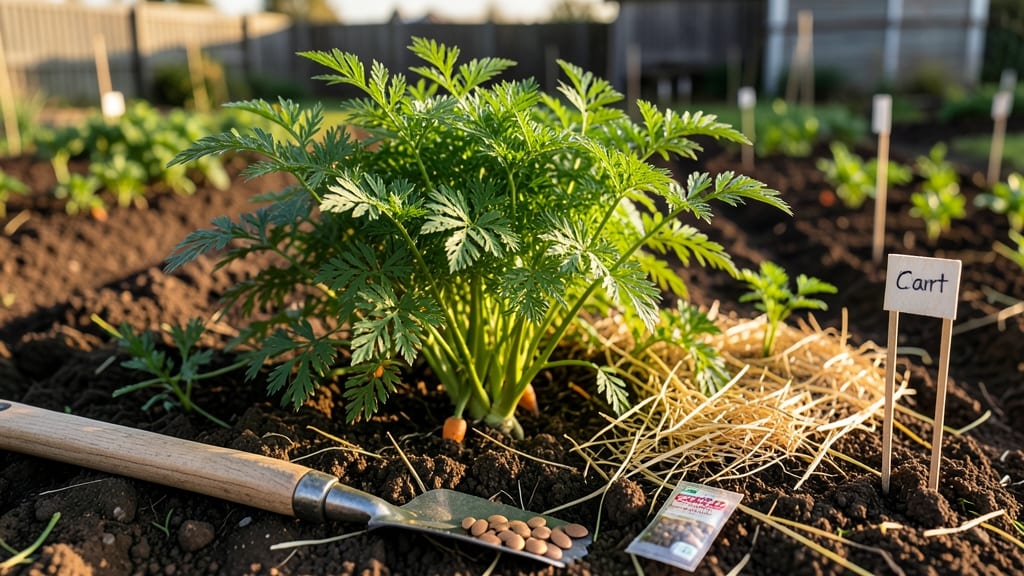
Optimal fall carrot planting dates by US hardiness Zone
Fall carrots thrive when planted 8–10 weeks before your first frost date, giving them time to mature before winter sets in. This means late summer to early fall is your sweet spot—typically August to mid-September in most U.S. zones.
But exact timing depends on where you live, as USDA zones 3–10 experience frost at wildly different times.
For example, gardeners in Zone 3 (like Minnesota or Maine) should plant by mid-August, while those in Zone 10 (like Florida or Southern California) can extend planting until October.
The key is to calculate your average first frost date and work backward—carrots need 60–80 days to reach harvest size.
Here’s how to find your perfect planting window: Check your local last-frost date (use the USDA Plant Hardiness Zone Map), then subtract 8 weeks. For instance, if frost hits November 15, plant by September 15.
Pro tip: Use a frost calendar for your city—many local agricultural extensions offer free resources.
Missed the window? No problem! You can still plant 6–4 weeks before frost for a smaller harvest of baby carrots, which mature faster. Just choose shorter varieties like 'Paris Market' or 'Little Finger' to ensure success.
| USDA Zone | First Frost Date | Ideal Planting Window | Notes |
|---|---|---|---|
| Zone 3 | October 15 | Mid-August to early September | Use row covers to extend season |
| Zone 4 | October 20 | Late August to mid-September | Cold-hardy varieties like 'Chantenay' work well |
| Zone 5 | October 25 | Early to mid-September | Soil should be 60°F+ for germination |
| Zone 6 | November 1 | Late August to early October | Best for sweetest fall carrots |
| Zone 7 | November 10 | September to mid-October | Can plant in late fall for spring harvest |
| Zone 8 | November 20 | September to November | Extend season with cold frames |
| Zone 9 | December 1 | September to December | Plant successive crops for year-round harvest |
| Zone 10 | December 15 | September to November | No frost risk; plant anytime |
*Adjust dates based on your local microclimate—higher elevations frost earlier!
If you’re unsure about your zone, use the USDA Interactive Zone Map to pinpoint your location. Once you’ve got your zone, mark your planting dates on a calendar and set reminders—carrots grow fast, and you don’t want to miss the window!
For extra insurance, plant a test row 2 weeks earlier to gauge soil conditions and germination rates.
Pro move: Pair your carrots with companion plants like dill or chives to deter pests and improve flavor. These pairings also help loosen soil, making it easier for your carrots to grow straight and long. Just avoid planting near celery or parsley, which can stunt their growth.
Remember, soil temperature matters more than air temperature for fall planting. Carrots need soil at least 60°F to germinate—use a soil thermometer to check before sowing. If your soil is too cool, wait a week or two for it to warm up naturally.
Finally, keep an
How to adjust your planting schedule for sweeter fall carrots
Fall carrots develop their signature sweetness through a process called stress-induced sweetening. When carrots experience cool nights and mild frost exposure, their natural sugars concentrate, creating that rich, earthy flavor we love. To maximize this effect, I adjust my planting schedule to align with these conditions.
Start by planting your fall carrots 4-6 weeks before your first frost date. This gives them enough time to mature before winter sets in.
For example, in Zone 6a, where the average first frost is November 15, I plant my carrots around late September to early October. This timing ensures they’ll be ready for harvest just before the ground freezes.
For even sweeter carrots, consider planting a second batch 2-3 weeks later. This staggered approach extends your harvest window and ensures some carrots experience light frost, which boosts their sugar content. Just be sure to harvest these later-planted carrots before the ground freezes solid.
5 Pro Tips for Fall Carrot Sweetness
- 🌡️ Cool Soil Trick: Plant in soil that’s 60-70°F for optimal germination and root development.
- ☀️ Sunlight Boost: Ensure 6+ hours of sun daily to maximize sugar production in roots.
- 💧 Water Wisely: Reduce watering as frost approaches to concentrate sugars in the roots.
- 🌱 Companion Plants: Grow with rosemary or thyme to improve flavor and deter pests.
- ❄️ Frost Exposure: Let carrots experience light frost (28-32°F) for sweeter harvests.
Another trick I use is mulching with straw or leaves a few weeks before the first frost. This protects the carrots from hard freezes while still allowing them to benefit from cool temperatures. Mulch also helps retain moisture in the soil, which is crucial as temperatures drop.
If you’re in a warmer zone (Zones 8-10), where frost is less predictable, aim to plant your fall carrots between mid-August and early September. This gives them enough time to mature before winter arrives.
In these zones, you might even get a second harvest in early spring if you plant later varieties.
Finally, always choose short-day varieties like ‘Danvers’ or ‘Nantes’ for fall planting. These varieties are bred to thrive in cooler temperatures and produce sweeter roots when grown in the fall. Pair this with the right timing, and you’ll enjoy carrots that taste like they’ve been kissed by winter!