
Planting
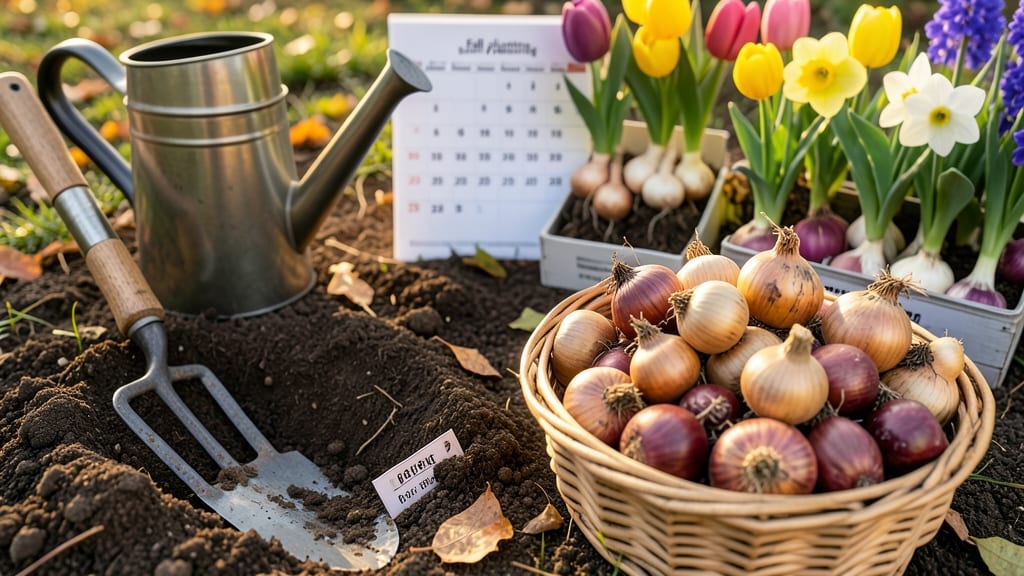
Planting flower bulbs 🌷 in the fall isn’t just about tossing them into the ground—it’s the secret to perfect spring blooms that steal the show. The 6-week pre-frost window is your golden ticket, but timing wrong means wasted effort or weak growth.
Whether you’re in chilly Zone 6a or a milder region, knowing exactly when to plant makes all the difference.
Most gardeners assume "fall planting" means the whole season, but the truth is far more precise. Bulbs like tulips and daffodils need cold exposure to thrive, so planting too early or late can leave them vulnerable to frost or rot.
I’ll show you how to calculate your ideal window using your local frost dates—no guesswork required.
Beyond timing, soil prep and bulb selection play huge roles. Rich, well-draining soil and the right bulbs for your climate ensure strong roots before winter. Let’s break down the critical steps to set your garden up for vibrant spring color—without the common mistakes that trip up even experienced gardeners.
Ready to transform your yard into a blooming paradise? Grab your gloves, and let’s get those bulbs in the ground at the perfect moment. Your future self will thank you when those first flowers pop up like clockwork!
The 6-Week pre-frost rule: exact timing for fall bulb planting
Planting flower bulbs in fall is all about timing—specifically, the 6-week window before your first frost. This golden period lets bulbs establish roots before winter dormancy, ensuring strong spring blooms. The exact timing varies by USDA hardiness zone, so knowing your local frost dates is critical.
For example, gardeners in Zone 5 should plant by mid-October, while those in Zone 8 have until December.
Why does this window matter? Bulbs need time to develop roots, which can take 4-6 weeks in cool soil. Plant too early, and roots may rot; too late, and bulbs won’t anchor before freezing.
Even a 10-day delay can reduce bloom quality. Check your local frost date map—most regions experience their first frost between October and December.
Here’s how to calculate your ideal planting window: Subtract 6 weeks from your average first frost date. For instance, if frost hits November 15, aim to plant by September 28. Use this rule as a starting point, then adjust for microclimates—like sheltered garden spots that stay warmer longer.
| USDA Zone | First Frost Date | Planting Window | Bulb Examples |
|---|---|---|---|
| Zone 3-4 | Late September to October 15 | August 20 - September 15 | Tulips, Daffodils, Alliums |
| Zone 5-6 | October 15 - November 1 | September 1 - October 1 | Crocuses, Hyacinths, Snowdrops |
| Zone 7-8 | November 15 - December 1 | October 1 - November 1 | Freesias, Ranunculus, Paperwhites |
| Zone 9-10 | December 15 - January 1 | November 1 - December 1 | Calla Lilies, Gladiolus |
Not all bulbs thrive in the same conditions. Cold-hardy bulbs like tulips and daffodils can handle freezing temperatures, while tender bulbs such as freesias need milder climates. In Zone 3, for example, plant tulips by September 15 to ensure they root before the ground freezes.
Meanwhile, in Zone 9, you can plant until December 1 because frost is rare.
Adjust your timing if your garden has microclimates. South-facing slopes warm up faster, extending the planting window by 1-2 weeks. Conversely, low-lying areas or shady spots may freeze earlier, so plant 2 weeks sooner.
Always test soil temperature—it should be between 40°F and 60°F for optimal root growth.
Pro tip: Use a frost calendar from your local cooperative extension office. These provide hyper-local data, accounting for elevation and wind patterns. For instance, a high-altitude garden in Zone 5 might need bulbs planted by September 1, while a valley garden could wait until October 1.
Even if you miss the ideal window, don’t panic. Bulbs planted 4 weeks before frost may still survive, though blooms could be smaller. The key is to mulch heavily (3-4 inches) to insulate roots. Just avoid planting after the ground freezes—bulbs won’t root in frozen soil.
For container gardening, the rules are similar, but containers freeze faster. Plant bulbs 2 weeks earlier than in-ground and use insulating pots or move containers to a sheltered spot. In Zone 6, this means planting by September 15 instead of October 1.
Remember: The 6-week rule is your best friend, but flexibility is key. Pay attention to your garden’s unique conditions, and those spring blooms will reward your effort. Happy planting! 🌷
The 6-Week pre-frost rule: exact timing for fall bulb planting
Planting flower bulbs in fall isn’t just about picking a random weekend—it’s about hitting that 6-week pre-frost window for optimal root growth. This timing ensures bulbs establish strong roots before winter dormancy, setting the stage for vibrant spring blooms.
For USDA Zone 6a (like my garden in upstate New York), that means aiming for late September to early October.
But here’s the catch: your exact planting window depends on your last average frost date. Check your local frost date map (I use the National Weather Service for my region) and count backward 6 weeks.
For example, if frost hits November 15, plant by October 1. In warmer zones (like Zone 8+), you might extend this to November 1.
Not all bulbs play by the same rules. Tulips and hyacinths need that 6-week window, but daffodils and crocuses are more flexible—they can handle planting up to 2 weeks before frost. Always check the bulb’s packaging guidelines for specifics.
🌱 Fall Bulb Planting Timeline by USDA Zone
| Zone | Ideal Planting Window | Last Frost Date | Bulb Examples |
|---|---|---|---|
| 3-5 | Mid-September to late October | November 15–December 1 | Tulips, Daffodils, Snowdrops |
| 6-7 | Late September to early November | November 1–December 15 | Hyacinths, Alliums, Crocuses |
| 8-10 | October to December 1 | December 15–January 15 | Freesias, Ranunculus, Paperwhites |
Microclimates throw a wrench into the plan. A south-facing slope in my garden warms up faster, so I plant bulbs there 2 weeks earlier than the rest of my yard.
Conversely, low-lying areas or shaded spots may need a later planting date to avoid early frost exposure. Always observe your garden’s unique patterns.
Pro tip: Use a soil thermometer to check when soil temps drop to 60°F (15°C)—this is your cue to start planting. I keep mine buried near my bulb beds to track changes.
If you’re in doubt, err on the earlier side; bulbs can wait in cool soil but won’t survive if planted too late.
Finally, don’t forget to adjust for bulb size. Smaller bulbs (like grape hyacinths) need shallower planting (3 inches deep), while larger ones (like tulips) go 6 inches deep. Depth matters—it protects bulbs from freeze-thaw cycles and encourages strong root growth.