
Plants
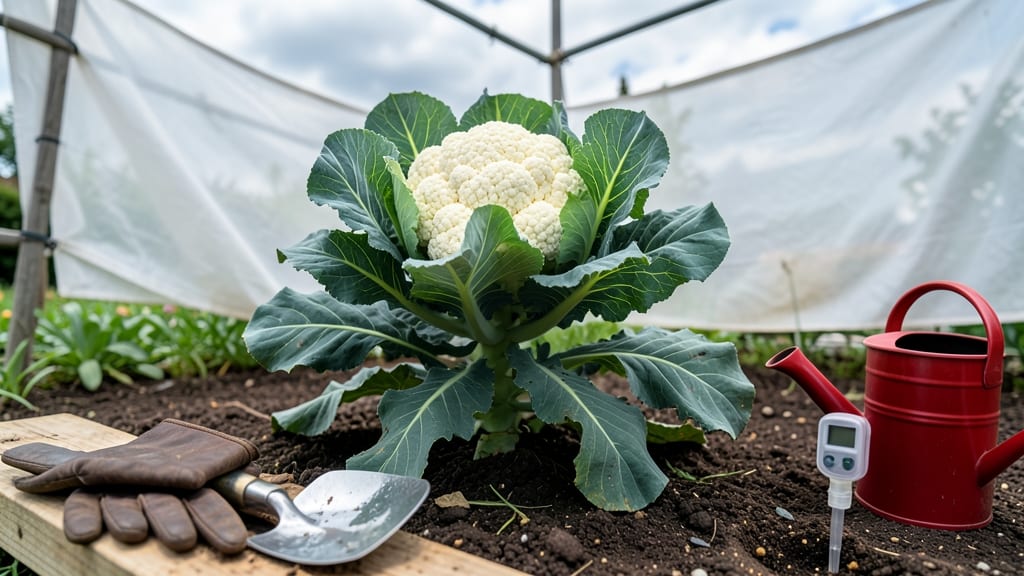
Knowing when to plant cauliflower in Zone 9b is the difference between a bountiful harvest and wasted effort—especially when the desert sun can turn your 🥬 into a sad, bolted mess before it even forms a head.
Most gardeners in Phoenix or Southern California deserts assume cauliflower needs cool weather, but with the right timing, you can grow it year-round.
The key is planting during the cooler months—late summer for a fall harvest or winter for a spring crop—while avoiding the brutal summer heat that sends plants into a panic.
I’ve tested the best strategies over years of growing in Zone 9b, and I’ll share exactly which varieties thrive here, how to time your plantings for maximum success, and the simple tricks to keep your cauliflower happy even when temperatures soar.
Ready to skip the guesswork? Let’s dive into the exact dates, spacing, and soil prep you need for a foolproof cauliflower patch—no matter how hot it gets outside.

Best planting timeline for cauliflower in Zone 9b’s hot climate
Zone 9b’s intense summer heat makes cauliflower cultivation a delicate balance—plant too early, and your seedlings will bolt before forming heads. Too late, and you’ll miss the cool-season window. The key is timing: aim for late summer to early fall for a fall harvest or winter planting for a spring crop. Here’s my exact schedule for success.
Cauliflower thrives in 50–75°F soil temperatures. In Zone 9b, this means avoiding the 100°F+ summers. Start seeds indoors 8–10 weeks before your target transplant date, or buy transplants from a nursery in August for a fall crop. For spring harvests, plant seeds in December–January.
🚨 Critical Deadline: Transplant seedlings into the garden 6–8 weeks before the first expected cool spell. In Zone 9b, this typically lands in late August to early September for fall planting. Use shade cloth if transplanting earlier to protect tender seedlings from heat stress.
| Planting Strategy | Seed Start Date | Transplant Date | Harvest Window | Notes |
|---|---|---|---|---|
| Fall Crop (Cool Season) | June 15–July 15 (indoors) | August 15–September 15 | December–February | Use shade cloth if transplanting early. Avoid summer heat. |
| Spring Crop (Winter Planting) | December 1–January 15 (direct sow or indoors) | January 15–February 15 | March–May | Protect from late frosts (rare but possible). |
| Emergency Summer Planting | N/A (transplants only) | June 1–15 (with shade cloth) | September–October (small heads) | High-risk; use heat-tolerant varieties. |
For direct sowing in Zone 9b, skip the indoor start and plant seeds directly into the garden in late August. This method works best for heat-tolerant varieties like ‘Snowball Y Improved,’ which can handle slightly warmer soils.
However, direct sowing often yields smaller heads, so I recommend transplants for better results.
💡 Pro Tip: If you’re growing cauliflower for a Christmas harvest, start seeds indoors on September 15 and transplant by October 15. This gives you a head start on the holiday season and avoids the peak summer heat.
Soil temperature is your biggest ally in Zone 9b. Use a soil thermometer to confirm temps are below 80°F before transplanting. If your soil runs hotter, wait until evening to transplant and provide drip irrigation to keep roots cool.
Mulch with straw or wood chips to regulate temperature and retain moisture.
🌱 Seedling Care: Keep seedlings in partial shade for the first 7–10 days after transplanting. Gradually acclimate them to full sun over 1–2 weeks to prevent transplant shock. Water deeply at the base every 2–3 days to encourage strong root growth.
Harvest timing depends on your planting strategy. For fall crops, expect heads to form in 80–100 days after transplanting, typically in December–February. Spring crops planted in winter will be ready by March–May.
Always harvest when the head is firm and fully formed but before the leaves yellow excessively.
✂️ Final Harvest Check: Gently squeeze the head—if it feels solid and the leaves are vibrant with slight yellowing, it’s ready. Use a sharp knife to cut the stem 1–2 inches below the head to encourage regrowth (though secondary heads may be smaller).
Save seeds from your best plants for next year!
Best planting timeline for cauliflower in Zone 9b’s hot climate
In Zone 9b, where summer temperatures can hit 100°F+, cauliflower thrives only when planted during the cooler months. The two best windows are late summer for fall harvests or winter for spring crops.
Timing is critical—plant too early, and the heat will send your seedlings bolting; too late, and you’ll miss the ideal harvest window.
For a fall harvest, start seeds indoors 8–10 weeks before your target transplant date (typically mid-July to early August). Transplant seedlings outdoors in late August to early September, when daytime temps drop below 85°F. This gives heads time to form before winter sets in.
| Planting Window | Seed Starting (Indoors) | Transplant Outdoors | Harvest Time |
|---|---|---|---|
| Fall Harvest | Mid-July to early August | Late August to early September | December to February |
| Spring Harvest | Late November to early December | January to February | March to May |
🌱 Pro Tip: Use shade cloth (30-50%) if transplanting in late summer to protect seedlings from residual heat.
If you’re aiming for a spring harvest, start seeds indoors in late November to early December and transplant in January to February. This timing ensures heads mature before the summer heat arrives. Avoid planting in May or June—the heat will cause bolting within weeks.
For direct sowing (skipping the seedling stage), plant seeds in late summer (September) or winter (January) when soil temps are below 75°F. Direct-sown cauliflower takes 80–120 days to mature, so plan accordingly. Just be prepared for slower germination in cooler months.
One common mistake in Zone 9b is assuming cauliflower can handle summer heat like kale or Swiss chard. While those greens thrive, cauliflower will bolt or develop bitter heads if exposed to temps above 80°F for extended periods.
Always monitor your garden’s microclimate—shady spots under trees or near fences can be ideal for late-summer transplants.
Finally, remember that soil temperature matters just as much as air temperature. Cauliflower seeds won’t germinate well in soil above 70°F, so use shade cloth or row covers to keep soil cool during seed starting.
A simple soil thermometer ($10 at garden centers) will save you from wasted efforts.