
Plants
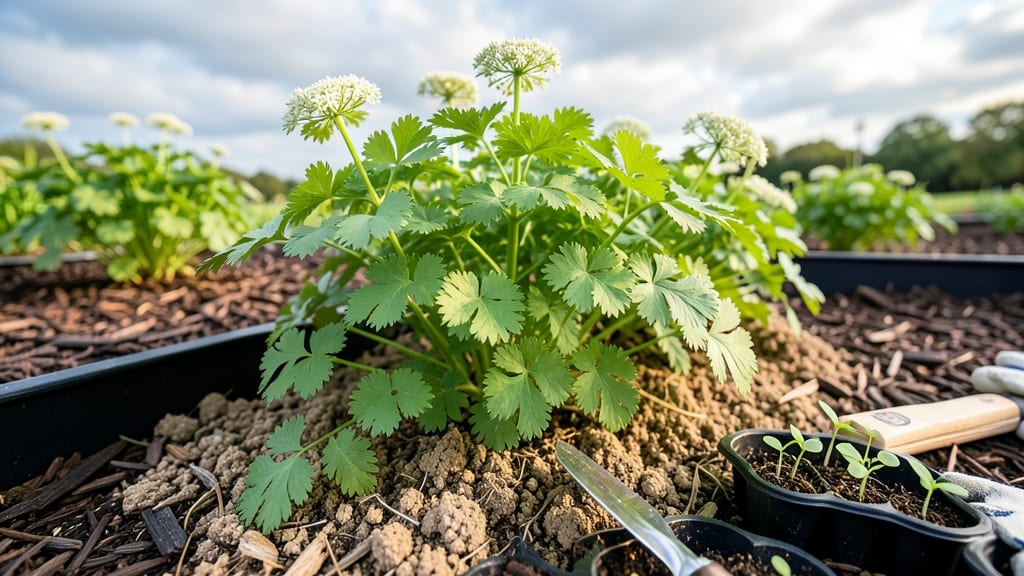
If you've ever planted cilantro in Florida only to watch it bolt into flower within days, you're not alone. The key to growing fresh 🌿 cilantro year-round in the Sunshine State isn't just about timing—it's about working with Florida's unique climate zones and heat patterns.
Most gardeners know cilantro thrives in cooler months, but Florida's frost-free 9a-11 zones let you grow it almost anytime. The trick lies in planting during Florida's ideal windows—fall, winter, and early spring—while using shade and watering strategies to protect it from summer's relentless heat.
In this guide, I'll show you exactly when to plant cilantro in Florida's different regions, which heat-resistant varieties actually work, and how to extend your harvest season using simple shade tricks that prevent bolting.
Whether you're a seasoned gardener or just starting, these insights will help you grow cilantro that stays fresh and flavorful—no matter how hot Florida gets.
Best planting windows for cilantro in Florida’s climate zones
Florida’s USDA Zones 9a-11 offer year-round gardening, but cilantro thrives best during cooler months when temperatures stay below 80°F. The key is planting cilantro when daytime highs dip into the 70s and nights stay mild—ideal conditions to prevent bolting (flowering prematurely).
In North Florida (Zones 8a-9a), where cooler weather arrives earlier, cilantro can be sown as early as late summer (August) for a fall harvest. Meanwhile, South Florida (Zones 10a-11) gardeners should wait until September or October to avoid summer’s relentless heat.
For a winter harvest, plant cilantro in November-December in North Florida and December-January in South Florida. Even in frost-free Florida, winter’s cooler temps (50s-60s°F) create perfect growing conditions. Avoid planting during peak summer (June-August) unless you’re using heat-resistant varieties and shade tricks.
Here’s a breakdown of the best planting windows by Florida region, including harvest timelines and temperature thresholds to watch:
| Region | Best Planting Window | Ideal Temp Range | Harvest Window | Notes |
|---|---|---|---|---|
| North Florida (Zones 8a-9a) | Late August–September | 70–80°F (day), 55–65°F (night) | October–December | Cooler nights prevent bolting; use row covers in late fall. |
| Central Florida (Zones 9b-10a) | September–October | 75–85°F (day), 60–70°F (night) | November–February | Plant in partial shade to avoid heat stress. |
| South Florida (Zones 10b-11) | October–November | 80–85°F (day), 65–75°F (night) | December–March | Use shade cloth (30–50%) and frequent watering. |
| All Regions (Winter) | December–January | 60–75°F (day), 50–60°F (night) | February–April | Best year-round success; minimal bolting risk. |
If you’re succession planting for continuous harvests, sow new cilantro every 2–3 weeks from September through January. For example, plant one batch in early September, another in mid-October, and a final batch in December to enjoy fresh cilantro through spring’s mild weather.
Pro tip: Use a planting calendar to track your cilantro’s growth stages. Mark sowing dates, expected harvests, and temperature spikes (above 85°F) that might trigger bolting. This helps you adjust shade strategies or harvest timing proactively.
For container gardening, cilantro grows well in pots but requires daily watering in summer. Start seeds in late summer (August) for a fall harvest, or plant in winter (December) for a spring crop. Just ensure your containers have drainage holes to prevent root rot in Florida’s humid climate.
Remember: Cilantro is a cool-season crop, so the goal is to avoid heat stress. By aligning your planting with Florida’s cooler months and using shade solutions, you’ll enjoy bushy, flavorful cilantro for months—without the frustration of bolting.
Best planting windows for cilantro in Florida’s climate zones
Florida’s 9a-11 climate zones mean cilantro can grow year-round, but timing is everything to avoid bolting. The ideal planting windows shift based on your region—North Florida’s cooler winters contrast sharply with South Florida’s mild year-round temps.
For most gardeners, September through March offers the sweet spot, but late summer and early fall can work with shade and extra care.
In North Florida (Zones 9a-8b), where nights dip below 60°F, cilantro thrives from October to March. This is when day lengths shorten, reducing heat stress.
Meanwhile, Central Florida (Zone 9a) can plant in September and March, while South Florida (Zones 10a-11) enjoys success in August and February, thanks to milder winters.
| Region | Best Planting Months | Key Tips |
|---|---|---|
| North Florida (Zones 8b-9a) | October–March | Use row covers for frost protection (rare but possible); plant near trees for afternoon shade. |
| Central Florida (Zone 9a) | September & March | Avoid peak summer heat; use 30% shade cloth if planting in late summer. |
| South Florida (Zones 10a-11) | August & February | Plant in partial shade year-round; prioritize morning sun only. |
For successful summer cilantro (April–June), focus on late summer plantings (August) when temps begin to drop. Use 30-50% shade cloth and water deeply twice daily to prevent bolting.
In Central and South Florida, cilantro can even grow in containers on patios with afternoon shade, making it a versatile herb for urban gardeners.
Pro tip: Succession planting every 2-3 weeks during fall and winter ensures a continuous harvest. For example, start one batch in September, another in October, and a final one in November to stretch your harvest through March.
This method works especially well in North Florida, where cooler temps extend the growing season.
If you’re in South Florida, don’t overlook winter planting (January–February). While temps are mild, the longer daylight hours can still trigger bolting. Mitigate this by planting cilantro in partial shade and harvesting leaves aggressively to delay flowering.
For maximum yield, pair cilantro with shade-loving companions like lettuce or spinach, which thrive in the same conditions.
Remember, cilantro’s bolting threshold is 70°F+ for prolonged periods. In Florida’s heat, this happens fast—often within 2-3 weeks of planting in summer. By sticking to these region-specific windows and using shade strategies, you’ll enjoy fresh cilantro for 60-90 days per planting cycle, even in the hottest months.