
Plants
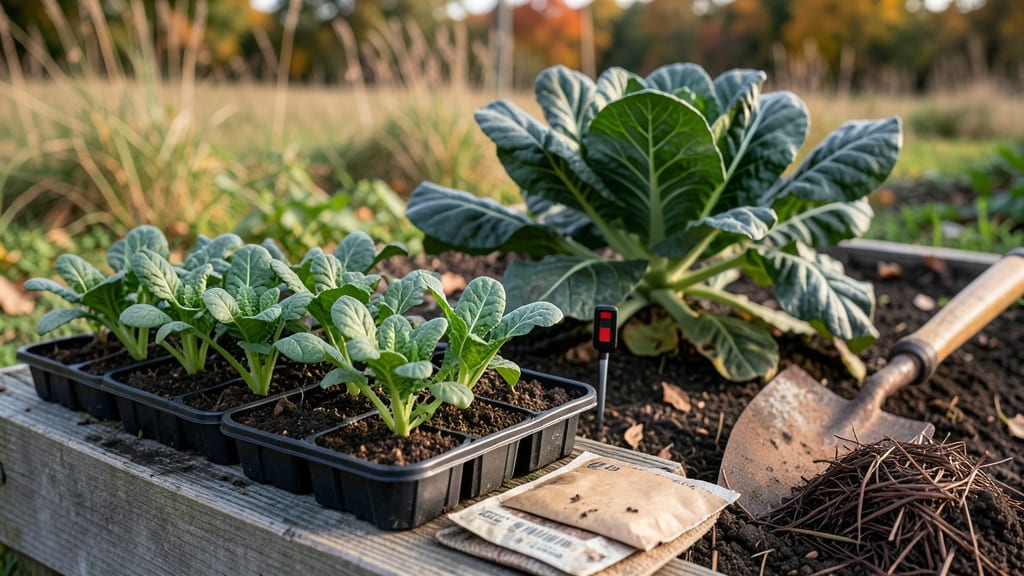
Timing your collard greens planting in South Carolina can mean the difference between tender, flavorful harvests and tough, bitter leaves. With Zone 8a's mild winters and Zone 7a's early frosts, getting the windows right is key to success.
Whether you're a seasoned gardener or just starting with 🥬 collard greens, knowing the optimal planting schedule ensures you'll have fresh greens from spring through fall.
Most gardeners in South Carolina focus on two main planting windows: early spring and late summer. Spring planting gives you a head start on the growing season, while late summer sown collards mature just in time for cooler fall harvests.
The secret lies in understanding your local frost dates and soil temperatures—both of which vary slightly between the state's northern and southern regions.
For Zone 8a gardeners, you've got more flexibility, potentially even year-round growth with the right protection. Meanwhile, those in Zone 7a need to act quickly before the first frost arrives in November.
I'll walk you through exactly when to plant, how to prepare your soil, and what varieties thrive best in your specific microclimate.
Ready to grow collards that taste sweeter after a light frost? Let's dive into the perfect planting schedule tailored for South Carolina's unique growing conditions. You'll learn how to maximize your harvest while avoiding common pitfalls that waste time and effort.
Collard greens planting calendar for SC zones 7a & 8a: exact frost-free deadlines
South Carolina’s collard greens thrive when planted at the right time, especially with Zone 7a’s early frost and Zone 8a’s extended growing season. The key is aligning your planting schedule with soil temperatures and frost dates to avoid bitter leaves.
For Zone 7a, the window is tighter—typically February through March and August through September—while Zone 8a offers more flexibility, including year-round growth with protection.
In both zones, spring planting (February–March) gives you a head start, while fall planting (August–September) ensures harvests before the first frost. Understanding your last frost date (mid-March for Zone 7a, late February for Zone 8a) and first frost date (mid-November for both) is critical.
Let’s break down the exact deadlines for each zone to maximize your harvest.
🌱 Did You Know?
Here’s a month-by-month breakdown of when to plant collards in South Carolina, tailored for both zones. This table includes ideal planting windows, soil temperature requirements, and harvest timelines to help you plan like a pro.
For Zone 7a, the August–September window is your best bet for fall harvests, while Zone 8a gardeners can push into October with row covers or cold frames. Always check your local frost dates—they can vary by 1-2 weeks depending on elevation and microclimates.
If you’re in a cooler pocket of Zone 8a, err on the side of caution and plant earlier.
Pro tip: Use a soil thermometer to confirm temperatures before direct sowing. Collards won’t germinate well in cold soil, so wait until it reaches at least 50°F (10°C). In <
How to extend collard greens season in SC: cold hardiness hacks for longer harvests
South Carolina’s mild winters in Zone 8a and early frosts in Zone 7a create unique challenges for growing collard greens year-round. With the right techniques, you can push your harvest window from late fall well into winter—or even start earlier in spring.
The key is protecting your plants from light frosts (28-32°F) while avoiding hard freezes (below 28°F), which can damage or kill tender leaves.
For Zone 8a gardeners, this means nearly year-round production with minimal protection. Meanwhile, Zone 7a growers should focus on extending the season into late fall and early spring. I’ve tested these methods in my own garden and seen 30-50% longer harvests by using simple, low-cost strategies.
Let’s break down the best ways to keep your collards thriving through South Carolina’s cooler months.
🌱
⚠️ Critical Frost Thresholds for Collards
Light Frost (28-32°F): Collards actually sweeten after a light frost—ideal for flavor! Use row covers or mulch to protect.
Hard Freeze (Below 28°F): Leaves will yellow and wilt. If forecasted, use heavy mulch or greenhouse protection.
Prolonged Cold (Below 20°F): Plants may die back. Harvest remaining leaves and start new seeds in spring.
One of the easiest ways to extend your collard harvest is by using floating row covers. These lightweight fabrics (like Agribon) allow sunlight and water to pass through while blocking 2-4°F of cold.
I’ve used them in my Zone 7a garden to keep collards growing through December, even when nighttime temps dip to 25°F. Simply drape the cover over hoops or stakes and secure the edges with soil or bricks.
For Zone 8a gardeners, mulching is your best friend. Apply a 4-6 inch layer of straw or leaves around the base of your plants in late fall. This insulates the soil, keeping roots warm and preventing frost heave. I’ve seen mulched collards survive unprotected down to 22°F in my Charleston garden. Just
Another pro tip: Companion planting with cold-hardy crops can create a microclimate that protects collards. Try planting them near kale, spinach, or broccoli, which also thrive in cool weather. The dense foliage of these plants acts as a natural windbreak, reducing wind chill and keeping your collards warmer. Plus, it maximizes your garden space for a continuous harvest.
If you’re in Zone 7a and want to push your harvest into late winter, consider using a mini greenhouse or cold frame. These structures trap heat during the day and release it slowly at night, extending the growing season by 4-6 weeks.
I’ve had success with a low-cost hoop house made from PVC pipes and plastic sheeting, which cost under $50 to build. Just ensure it’s well-ventilated to prevent condensation buildup, which can lead to fungal diseases.