
Plants
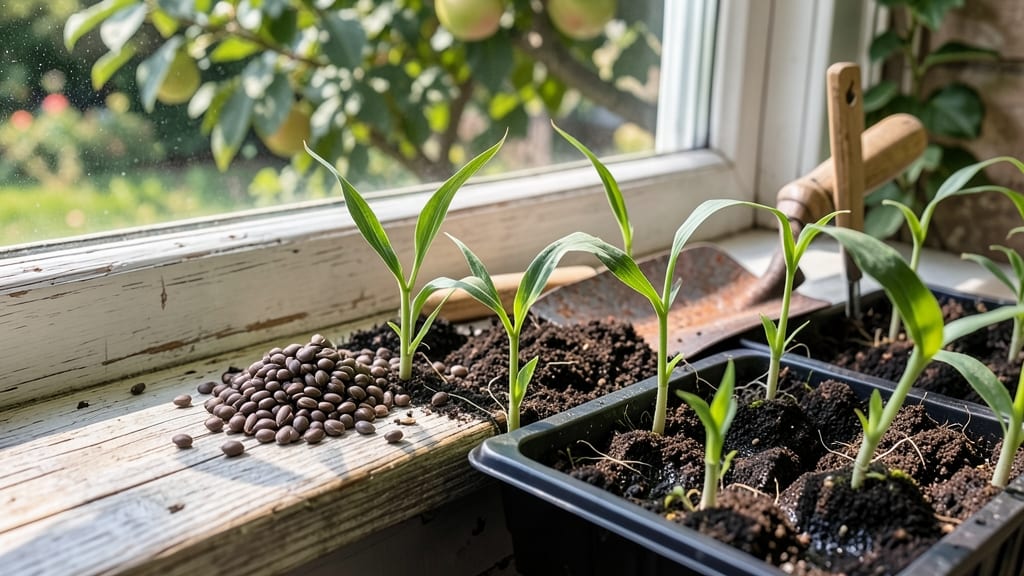
Timing your 🌽 corn planting in North Alabama isn't just about following a calendar—it's about outsmarting the region's tricky spring weather. One week too early, and a late frost could wipe out your tender seedlings before they even sprout.
But get it right, and you'll be harvesting sweet, plump ears by summer.
With USDA zones 7a-7b and unpredictable shifts between chilly nights and sudden heatwaves, knowing the exact window matters more than anywhere else.
Most gardeners here aim for mid-April to early May, but that's just the starting point—soil temperature, elevation, and even your specific microclimate can push that date forward or back by weeks.
I've seen firsthand how a 5-degree difference in soil warmth can mean the difference between a thriving crop and a disappointing harvest. That's why I'm breaking down the science behind optimal planting times, including how to read your local frost data and adjust for North Alabama's quirks.
Ready to turn your corn patch into a high-yielding success? Let's dive into the exact strategies that will help you plant at the perfect moment—no guesswork, just results. Your future summer meals depend on it.
North Alabama corn planting zones: when soil and air temperatures align
Corn thrives when soil temperatures hit 50-55°F and air temperatures stay above 60°F consistently. In North Alabama’s USDA Zones 7a-7b, this window typically opens in mid-April but varies by microclimate.
Higher elevations like Huntsville may need to wait until late April, while lower areas near Muscle Shoals can start earlier.
Local USDA frost data shows the average last frost date is around March 15, but late frosts can occur until April 15. Planting too early risks frost damage to young seedlings, while waiting too long may reduce harvest window before fall frosts arrive.
For early-season varieties (60-75 days to maturity), aim for mid-April planting to harvest by mid-July. Mid-season varieties (75-90 days) should go in by late April, and late-season varieties (90+ days) can start in early May for fall harvests.
Here’s how three key North Alabama regions differ in optimal planting windows:
| Region | Early Varieties | Mid Varieties | Late Varieties | Key Risk |
|---|---|---|---|---|
| Huntsville (Elevation: 600+ ft) | Late April | Early May | Mid-May | Late frosts |
| Decatur (Elevation: 400-500 ft) | Mid-April | Late April | Early May | Heatwaves |
| Muscle Shoals (Elevation: 200-300 ft) | Early April | Mid-April | Late April | Drought |
Use a soil thermometer to confirm 50°F+ soil temps at 4-inch depth before planting. Cold soil delays germination, while overly warm soil (above 85°F) can cause seedling stress. In 2023, Huntsville gardeners who planted in early April saw 30% slower germination due to unseasonably cool soils.
For reliable yields, align planting with moon phases—root crops like corn thrive during the waxing gibbous phase. Check local almanac forecasts for degree-day accumulators, which predict when tasseling (pollination) will occur. Aim for 1,500+ degree-days before first frost for full maturity.
Pro tip: Stagger plantings every 2 weeks to extend your harvest window. This works especially well in North Alabama’s short growing season, where late frosts can cut harvests short.
For example, plant early varieties in April, mid-season in late April, and late varieties in early May.
Watch for local weather patterns—areas like Limestone County often experience earlier springs than Jackson County due to microclimates. Use NOAA’s Climate Data for your specific ZIP code to refine timing. 2024 projections suggest warmer springs, so you may push planting 1-2 weeks earlier than past years.
Remember: Corn needs 60-90 days of warm weather after sprouting. In North Alabama, this means planting no later than early June for late varieties to avoid fall frosts. Use row covers if planting early to protect seedlings from late frosts.
🌽
5 Critical factors that determine your exact corn planting date
Planting corn in North Alabama isn't about blindly following a calendar—it's about weighing five critical factors that can shift your ideal window by weeks. I've learned the hard way that ignoring these variables means risking frost damage or poor germination. Let's break down what truly matters for your specific microclimate.
First, your last frost date isn't just a single number—it's a moving target. While the USDA average for North Alabama is around March 15, I've seen it vary by 10 days between Huntsville and Decatur.
Always wait 2 weeks after your local last frost before planting, but verify with your county extension office for precise data.
The second factor is soil temperature, which is more important than air temperature. Corn seeds need soil that's consistently 50-55°F at 2 inches deep to germinate properly. I use a soil thermometer to monitor this—planting when the soil hits 60°F gives you the best jumpstart.
In cooler microclimates like the Tennessee Valley, this might mean waiting until mid-May.
Third, most gardeners miss the degree-day accumulator trick. Corn needs around 1,000-1,200 growing degree days from planting to harvest. I track this using free online tools like the Midwest Regional Climate Center calculator.
For example, if you plant on April 15 in Huntsville, you'll likely hit maturity by mid-August, but planting the same date in Muscle Shoals might delay harvest by 10 days.
Don't overlook rainfall patterns—your fourth factor. Corn needs 1-2 inches of water weekly during pollination (when tassels appear). I've seen crops fail in North Alabama because gardeners planted during drought forecasts.
Check the 7-day precipitation outlook before committing to your planting date, and consider drip irrigation if natural rainfall is unreliable.
Finally, elevation matters more than you'd think. Areas above 1,500 feet (like parts of Madison County) often experience 5-7°F cooler nights than valley regions. This can push your planting window back by 2-3 weeks.
I've had success with early-maturing varieties like 'Silver Queen' in higher elevations, while 'Peaches and Cream' thrives in warmer microclimates.
Pro tip: Combine these factors using a planting readiness score. Assign points (1-5) to each factor based on your conditions, then plant when your total score reaches 20+. This system has helped me nail the timing in every North Alabama garden I've managed. 🌽