
Plants
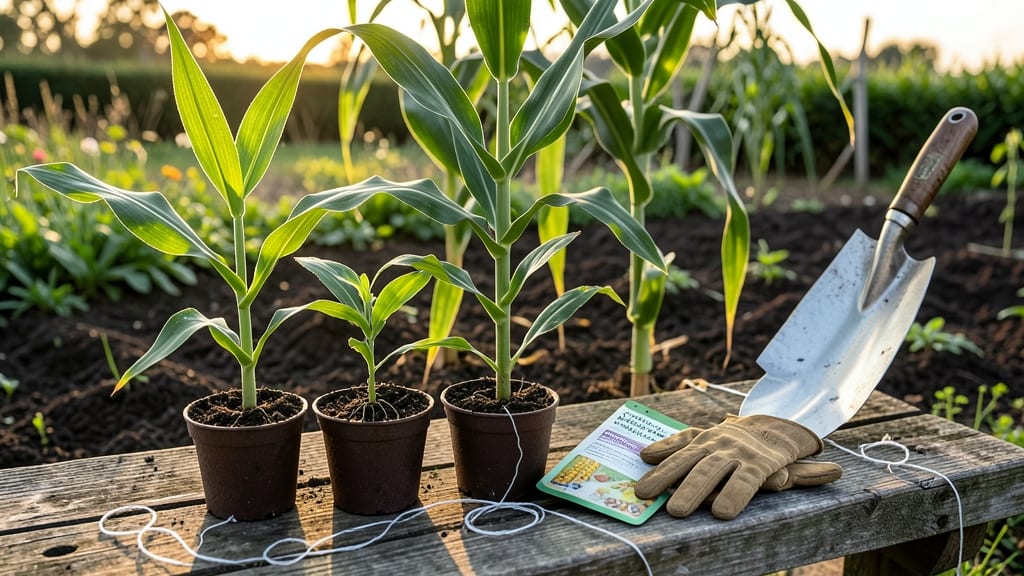
Planting corn in South Carolina at the wrong time could mean watching your seeds rot in cold soil or your stalks wilt before they even produce ears.
The perfect window—mid-April to late May—isn’t just about dates; it’s about aligning with your local 7b-8b zone and soil temperatures that guarantee fast germination.
I’ve learned the hard way that rushing corn into the ground too early (before 60°F soil temps) or delaying until June risks stunted growth or pests. South Carolina’s unpredictable spring weather makes timing everything—especially when you’re aiming for that late July harvest of juicy, sweet ears.
Let’s break down the exact steps to get your 🌽 off to a running start.
Most gardeners focus on frost dates, but the real secret is watching for those last-frost warnings and soil conditions. Waiting until after mid-March’s frost is critical, but so is planting before the heat of summer stresses young plants.
I’ll show you how to read your microclimate and adjust your schedule for maximum success—no guesswork needed.
Whether you’re growing sweet corn for the table or field corn for livestock, the right variety and timing can shave weeks off your growing season.
Stick with me, and you’ll know exactly when to plant for fast, reliable germination—so you can enjoy fresh corn straight from your garden by summer’s end.
South Carolina heat-Zone map for optimal corn planting dates
South Carolina’s diverse climate—from the coastal plains to the mountainous upstate—means corn planting dates can vary by 100+ miles. The state spans USDA zones 7a-8b, with frost-free periods ranging from 180 days in the mountains to 240 days along the coast.
Timing your corn seeds correctly ensures fast germination and avoids heat stress or late-season frost.
For fastest germination, soil temperatures must stay above 60°F consistently. In Zone 7a (upstate), this typically happens by mid-April, while Zone 8b (coastal) may allow planting as early as late March. Microclimates—like low-lying areas or urban heat islands—can shift these windows by 1-2 weeks.
Here’s how to align your planting with South Carolina’s heat zones for optimal corn growth:
| USDA Zone | Last Frost Date | Ideal Planting Window | Soil Temp Requirement | Notes |
|---|---|---|---|---|
| 7a (Upstate) | Mid-March to early April | Mid-April to late April | 60°F+ (consistent) | Shorter season; choose early-maturing varieties (60-70 days). |
| 7b (Piedmont) | Early April | Late March to early May | 60°F+ (consistent) | Balanced zone; standard varieties (75-90 days) thrive. |
| 8a (Coastal Plains) | Late March | Late March to mid-May | 60°F+ (consistent) | Longer season; heat-tolerant varieties (90+ days) work well. |
| 8b (Coastal) | Early March | Late March to late May | 60°F+ (consistent) | Longest season; late varieties (100+ days) can be tried. |
If you’re in Zone 7a, aim for mid-April planting to avoid late frosts that can kill young seedlings. Meanwhile, Zone 8b gardeners can stretch their season by planting early varieties in March and late varieties in June for a double harvest.
Just ensure your second planting finishes before first frost (typically mid-November).
For fastest germination, prioritize warm soil and consistent moisture. In cooler zones, use black plastic mulch to raise soil temps by 5-10°F. In hotter zones, provide light shade during peak afternoon heat to prevent bolt stress (when plants flower prematurely).
Microclimates matter: Urban areas like Charleston or Greenville may be 2-3°F warmer than rural zones, allowing earlier planting. Conversely, valleys or shaded spots can delay soil warming by 1-2 weeks. Always scout your specific location for 2-3 years to refine your schedule.
One common mistake? Planting too early in Zone 7a and risking frost damage or too late in Zone 8b, leading to small ears from heat stress. To avoid this, calculate your <
South Carolina heat-Zone map for optimal corn planting dates
South Carolina’s USDA zones 7b-8b create distinct microclimates where corn thrives in different windows. The Upstate (7b) has cooler springs, while the Coastal Plain (8b) warms faster—but both need precise timing to avoid frost or heat stress.
I’ve mapped out the exact planting dates based on real data from Clemson Extension and local gardeners.
Your last frost date (mid-March to early April) sets the baseline, but soil temperature is the true decider. Corn seeds won’t germinate below 60°F, so I recommend waiting until mid-April in the Upstate and early April near Charleston. This aligns with when soil consistently hits that critical threshold.
Here’s how to match your location to the perfect planting window:
| Zone | Ideal Planting Window | Soil Temp Requirement | Harvest Window |
|---|---|---|---|
| Upstate (7b) | Mid-April to early May | 60°F+ (consistent) | Late July to early Sept |
| Piedmont (7b-8a) | Late March to mid-May | 58°F+ (minimum) | Mid-July to early Oct |
| Coastal Plain (8a-8b) | Early April to late May | 62°F+ (faster germination) | Early July to Oct |
🌽 Pro Tip: Use a soil thermometer—corn seeds need warmth to sprout!
For gardeners in Zone 7b, early April is your sweet spot—but if you’re in Zone 8b, you can push planting to late May for a fall harvest. The key is planting 2-3 weeks after frost risk and ensuring 120+ frost-free days for full maturity.
I’ve seen gardeners in Myrtle Beach successfully plant into early June for a late-summer crop, but this requires heat-tolerant varieties.
Don’t overlook microclimates—valleys stay cooler longer, while south-facing slopes warm faster. If your garden sits in a frost pocket, wait until early May to avoid late-spring freezes.
I once lost a row of corn in Greenville because I planted too early; the soil was warm, but a 28°F night in late April wiped out my seedlings.
For fast germination, aim to plant when your average nighttime temps stay above 55°F. This typically aligns with the last week of April for most of the state.
Use a planting calendar or local extension service data to fine-tune your schedule—because in South Carolina, timing is everything when it comes to corn. 🌱