
Planting
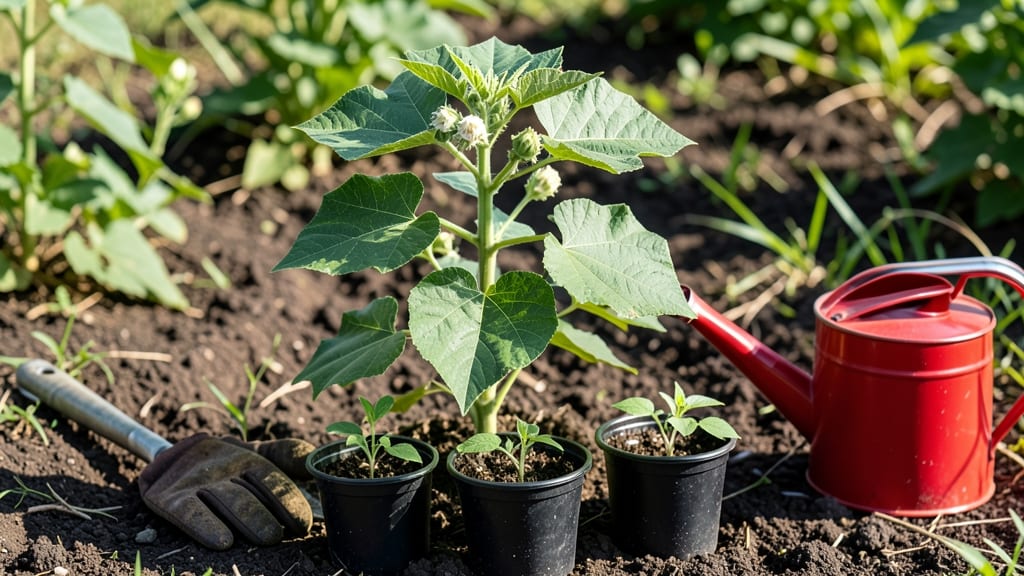
When to plant cotton in Texas isn't just about the calendar—it's about matching your location to the perfect heat zone window that separates success from struggle for 🧵 growers. Whether you're in frost-prone North Texas or the balmy Rio Grande Valley, planting too early risks frost damage while waiting too long cuts your yield potential. The right timing means warmer soil, fewer pests, and fluffier fibers by harvest.
Texas spans USDA zones 8a-11, and that diversity means your neighbors might be planting while you're still bundling up. North Texans should aim for March-May when soil hits 60°F+, while South Texas growers can start as early as February.
The key? Watch for those last frost dates—February 15 in North Texas, but December 15 in the Gulf Coast area.
I've learned the hard way that rushing cotton into cold soil leads to stunted growth, and delaying too long invites pests like bollworms. That's why I'll show you exactly how to time your planting for maximum yield, whether you're a backyard gardener or managing acres.
Let's break down the heat-zone calendar that'll have your cotton thriving from July to October.
From soil prep to spacing secrets, we'll cover everything you need to know to avoid common mistakes Texas farmers make. Whether you're in the High Plains or East Texas, these insights will help you grow cotton that's not just surviving—but outperforming expectations. Ready to get started?
Texas heat-zone planting calendar for cotton success
Planting cotton in Texas isn’t a one-size-fits-all task—it’s all about matching your heat zone with the right soil temperature and frost-free dates. The Lone Star State spans USDA zones 8a-11, meaning your neighbors in the Panhandle might plant weeks earlier than those in the Rio Grande Valley.
For maximum yield, aim to plant when soil temperatures consistently reach 60°F+ and stay above 50°F at night.
In North Texas (zones 8a-8b), wait until mid-April to early May—planting too early risks frost damage, while waiting too long can reduce fiber quality.
Meanwhile, Central Texas (zones 8b-9a) farmers should start in late March to April, and South Texas (zones 9b-11) can begin as early as mid-February. Each zone’s unique climate demands precision timing to avoid stunted growth or pest outbreaks.
| Texas Heat Zone | Last Frost Date | Ideal Planting Window | Soil Temp Threshold | Key Considerations |
|---|---|---|---|---|
| Panhandle (A1-A4) | March 15 | April 15-May 1 | 60°F+ (15°C+) | Dry conditions; irrigation critical |
| North Texas (A5-A8) | February 15 | April 1-May 10 | 60°F+ (15°C+) | Moderate humidity; watch for aphids |
| Central Texas (A9-B) | January 15 | March 15-April 30 | 65°F+ (18°C+) | Higher rainfall; monitor fungal risks |
| East Texas (A10) | January 10 | March 1-April 15 | 65°F+ (18°C+) | Humid climate; rotate crops |
| South Texas (9b-11) | December 15 | February 1-April 1 | 70°F+ (21°C+) | Long growing season; pest pressure high |
For North Texas growers, the High Plains region (like Lubbock) often sees earlier soil warming than Dallas-Fort Worth, so adjust your planting date accordingly.
In Central Texas, the Hill Country may need to wait until late March due to cooler nights, while Austin can start slightly earlier. South Texas farmers in the Rio Grande Valley enjoy the longest growing season, allowing for two plantings—one in February and another in June for fall harvests.
Always check your local agricultural extension office for microclimate adjustments. For example, urban areas like Houston can experience heat islands that warm soil faster than rural zones. Use a soil thermometer to confirm temperatures before planting—cold soil delays germination and weakens seedlings.
Pro tip: Plant upland cotton varieties (like Stoneville) in cooler zones and Pima cotton in warmer southern regions for superior fiber quality.
In East Texas, where humidity is higher, aim for earlier planting to avoid fungal diseases like Fusarium wilt, which thrives in wet conditions. Meanwhile, West Texas growers should prioritize irrigation planning—cotton is drought-tolerant but needs consistent moisture during the first 60 days of growth.
Always space rows 3-4 feet apart to improve air circulation and reduce pest risks.
Remember, Texas A&M AgriLife recommends planting cotton when 70% of the soil profile (up to 6 inches deep)
Critical factors that determine your cotton planting window
When planning your cotton planting schedule in Texas, three key factors dictate the perfect window: soil temperature, rainfall patterns, and pest pressure. Skipping these considerations can mean stunted growth or lost yields to pests like bollworms or aphids.
Let’s break down how each factor influences your planting timeline.
First, soil temperature is non-negotiable—cotton seeds need 60°F+ soil to germinate properly. In North Texas, this typically means waiting until mid-April, while South Texas growers can start as early as February. Always check with a soil thermometer to avoid delays.
Next, rainfall patterns play a huge role. Early-season droughts in West Texas can stress young seedlings, so planting after April showers ensures moisture retention. Meanwhile, East Texas’ humid climate demands well-drained soil to prevent fungal diseases like root rot.
Finally, pest pressure shifts with timing. Planting too early exposes cotton to cold-sensitive pests, while late planting risks bollworm infestations as temperatures rise. Local agricultural extensions often provide pest forecast maps—use them to adjust your schedule.
Pro tip: Monitor weather trends for 2 weeks before planting. A sudden cold snap can delay germination by weeks, while unexpected heat waves may stress seedlings. Use row covers if early planting is unavoidable in cooler zones like the Hill Country.
For container gardening, warm up soil faster with black plastic mulch or heated seedling trays. This lets you plant 2-3 weeks earlier than ground planting, which is a game-changer for short-season areas.
Remember, patience pays off. Rushing to plant can lead to poor stands and lower yields. When in doubt, consult your local Texas A&M AgriLife extension office for hyper-local advice tailored to your county’s microclimate.