
Plants
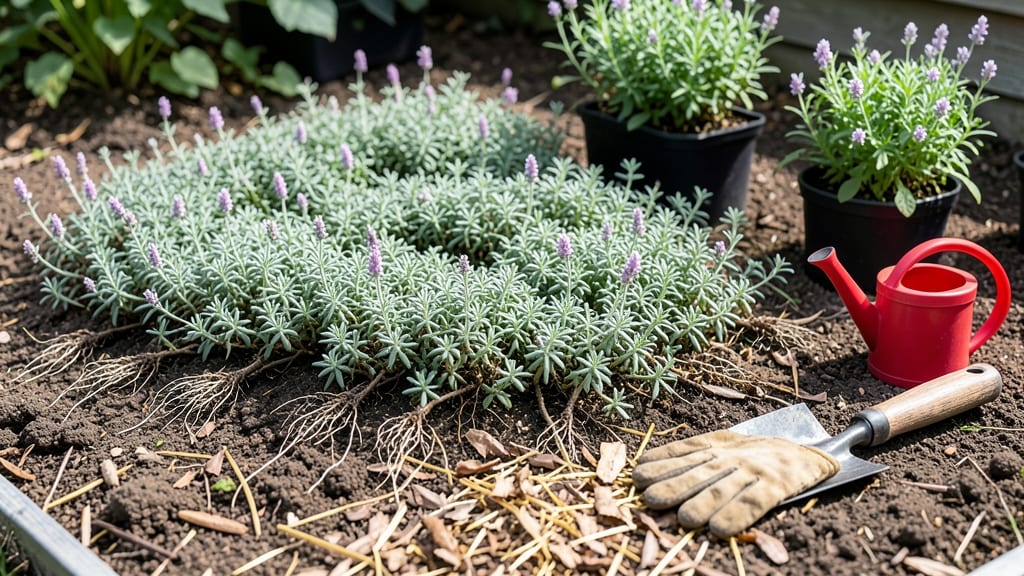
Timing your creeping thyme planting in Colorado isn’t just about the calendar—it’s about surviving the state’s dramatic shifts from 50°F soil to sudden first frosts in October. Skip the wrong window, and your fragrant ground cover might never take root before winter’s early chill.
But plant at the right moment, and you’ll enjoy that year-round aroma and drought-resistant beauty, even in high-altitude zones.
Most Colorado gardeners know creeping thyme thrives in USDA zones 5-8, but the real secret lies in microclimates.
Whether you’re in Denver’s urban heat islands or the San Luis Valley’s cooler air, the ideal planting window shifts dramatically—from late May in the Front Range to early June in mountain regions.
I’ll break down exactly when to dig in, plus how to spot the perfect soil conditions before you even plant.
Here’s the game-changer: creeping thyme’s two best planting seasons—late spring and early fall—align perfectly with Colorado’s frost-free periods. But there’s a catch: high-elevation gardens need a different strategy than arid western slopes.
Let’s cut through the guesswork and pinpoint the exact weeks that work for your specific corner of the state, so your thyme mat stays lush and fragrant, not struggling.
Ready to transform your yard into a fragrant, low-maintenance retreat? I’ll walk you through the critical signs your soil is ready, the best varieties for Colorado’s extremes, and how to outsmart even the earliest frosts. Your future self—and your nose—will thank you.
Colorado microclimate planting zones: best weeks by elevation and region
Colorado’s microclimates create unique challenges for planting creeping thyme. The Front Range (Denver, Boulder) has USDA zones 5-7, while the Western Slope (Grand Junction) sits in zones 6-8.
High-altitude areas like Aspen or Leadville (zones 3-5) require earlier planting to beat early frosts. Timing isn’t one-size-fits-all—your elevation and last frost date dictate success.
For low-elevation areas (3,500–5,000 ft), aim for late May to early June after the last frost. In high-altitude zones (7,000+ ft), plant 4–6 weeks earlier (mid-April to early May) to give roots time to establish before snow arrives.
Fall planting is also viable in zones 6-8 (late August to early September), but avoid planting too close to winter in zones 3-5.
🌱
📋 Colorado Creeping Thyme Planting Guide by Region
| Region | USDA Zone | Best Planting Window | Last Frost Date | Key Tip |
|---|---|---|---|---|
| Front Range (Denver, Boulder) | 5-7 | Late May–Early June | April 15–May 1 | Wait for soil to warm to 55°F. |
| Western Slope (Grand Junction) | 6-8 | Early May–Mid-June | March 15–April 1 | Arid climate—water deeply after planting. |
| Eastern Plains (Pueblo, CO Springs) | 6-7 | Late April–Early June | March 20–April 10 | Avoid alkaline soils; amend with compost. |
| San Luis Valley (Alamosa) | 5-6 | Mid-April–Early May | March 1–March 15 | Use row covers for early frosts. |
| Mountains (Aspen, Leadville) | 3-5 | Mid-April–Early June | June 1–July 1 (late!) | Plant cold-hardy varieties like 'Cocincum'. |
In zones 6-8, you can also plant creeping thyme in early fall (late August to early September). This gives roots time to establish before winter, reducing transplant shock. However, avoid planting after September 15 in zones 5 and below, as early snow can smother young plants.
For container gardening in Colorado, plant 4–6 weeks earlier than in-ground dates. Containers cool faster and are more vulnerable to temperature swings. Use heat-absorbing materials like black pots to warm soil quicker in spring.
If you’re unsure about your last frost date, check the Colorado State University Extension frost maps or use a soil thermometer. Aim to plant when soil temps hit 50–60°F—this ensures roots grow actively without rot risk.
Pro tip: In high-altitude zones, start seeds indoors 6–8 weeks before your target planting date. This head start compensates for the shorter growing season.
🌿
Signs your Colorado soil is ready for creeping thyme (and how to fix it)
Before you even dig into your Colorado soil, check if it’s ready for creeping thyme. This hardy herb thrives in well-draining, slightly alkaline soil, but Colorado’s clay-heavy or rocky soils often need adjustments.
Start by testing your soil temperature—it should reach at least 50°F before planting, which typically aligns with late May to early June in most regions.
Next, assess moisture levels. Creeping thyme hates soggy soil—a common issue in Colorado’s high-elevation valleys. Stick your finger 2 inches deep; if it feels damp, wait a few days.
For arid front-range gardens, aim for soil that’s moist but not waterlogged. If your soil drains poorly, amend it with coarse sand or perlite to improve aeration.
⚠️ Warning: Colorado’s Alkaline Soil Pitfall
Test your soil’s pH—creeping thyme prefers 6.0-7.0. Many Colorado soils are alkaline (7.5+), which can stunt growth. If your pH is above 7.5, mix in peat moss or sulfur to lower it gradually. Avoid quick fixes like vinegar, which can harm soil microbes.
Rocky or clay-heavy Colorado soils can suffocate thyme roots. If your garden bed feels dense or compacted, loosen the top 6 inches with a broadfork or tiller.
Add compost or well-rotted manure to boost organic matter, which helps retain moisture while improving drainage. For sandy soils, mix in composted leaves to add structure.
One often-overlooked sign of ready soil is the presence of beneficial microbes. Healthy soil teems with fungi and bacteria that help thyme roots establish. If your soil smells musty or sour, it may lack microbial activity.
Revive it by top-dressing with compost a month before planting. This gives microbes time to repopulate and creates a fertile foundation for thyme.
Finally, observe your garden’s microclimate. Creeping thyme struggles in low-lying, frost-prone areas like Colorado’s San Luis Valley. If your spot is prone to late spring frosts, opt for early fall planting (September) instead. For high-elevation gardens (7,000+ ft), wait until mid-June to ensure soil warmth.
With these checks complete, your Colorado soil will be prime for creeping thyme, setting the stage for a fragrant, drought-resistant ground cover that thrives year-round. The key? Patience and preparation—just like Colorado’s unpredictable growing seasons demand.