
Plants
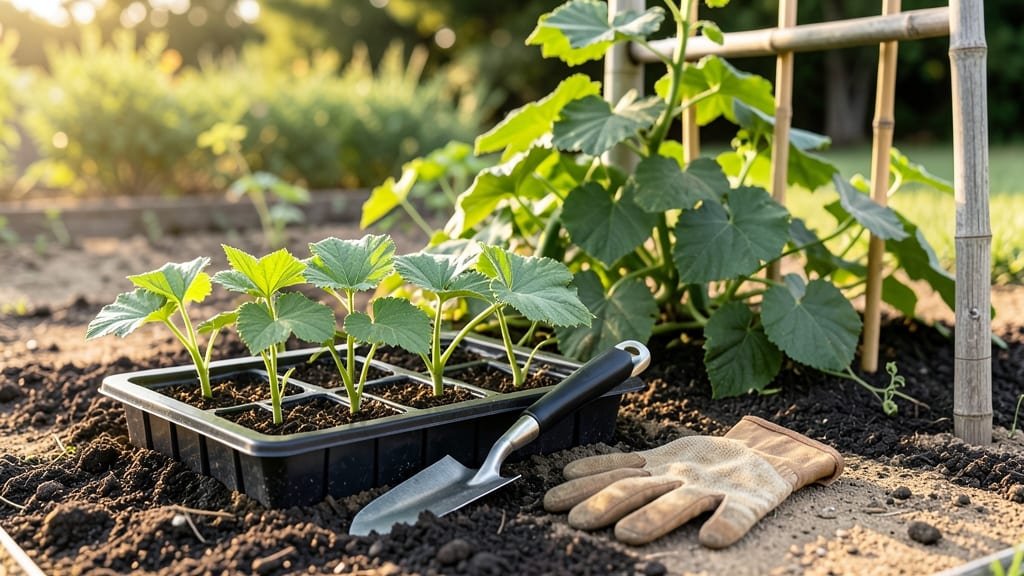
Timing your 🥒 cucumber planting in North Texas can make or break your harvest—get it wrong, and you’ll watch your plants bolt before producing a single fruit. The key isn’t just waiting for spring; it’s aligning with your microclimate’s last frost date, soil warmth, and summer heat patterns.
In USDA Zone 8a, your best windows are mid-March to mid-April (after the last frost) or late July to early August for a fall harvest. But here’s the catch: North Texas’ unpredictable heat means even a few degrees too warm too soon can send your cucumbers into premature flowering.
I’ll show you exactly how to read your soil’s temperature cues, adjust for your specific corner of North Texas, and avoid the #1 mistake that kills yields—planting too early. Whether you’re sowing seeds indoors or direct-sowing, these strategies will help you beat the heat and enjoy homegrown cucumbers all season.
Ready to turn your garden into a cucumber powerhouse? Let’s dive into the microclimate-smart weeks that’ll keep your plants thriving from seed to harvest.
North Texas cucumber planting calendar by microclimate zones
North Texas' diverse climate—from the Panhandle's dry heat to East Texas' humidity—means your cucumber planting timeline should match your local microclimate. Cucumbers thrive in soil temps above 60°F, but timing varies by USDA zones 7b-8a and last frost dates (typically March 15 in most areas).
Plant too early, and you’ll trigger bolting (flowering without fruit); too late, and summer heat will stress plants.
For spring planting, aim for mid-March to mid-April in Dallas-Fort Worth (Zone 8a), but wait until late April in cooler areas like Lubbock (Zone 7b). Fall planting works best in late July to early August for a September-October harvest before first frost (November 15).
Here’s how to align your planting with North Texas’ three key zones—each with its own soil temperature thresholds and heat tolerance challenges.
In Dallas-Fort Worth, where summers hit 100°F+, I recommend succession planting: sow seeds every 2 weeks from April through June to stagger harvests. For East Texas, prioritize bush varieties like 'Bush Champion' to avoid sprawling vines in humid conditions.
Meanwhile, Panhandle growers should focus on soil warming—lay down black plastic mulch 2 weeks before planting to reach that critical 65°F threshold faster.
Pro tip: Use a soil thermometer to confirm temps. If your soil hasn’t hit 60°F by April 15, delay planting or start seeds indoors 4-6 weeks early for transplants. Heat-tolerant varieties like 'Southern Sweet 100' or 'Tyria' are my go-tos for North Texas—they handle 95°F+ better than standard types.
For fall harvests, plant 60-70 days before first frost (aim for early August in most areas). This gives cucumbers time to mature before cool nights slow growth. In East Texas, where humidity lingers, space plants 3 feet apart to improve air circulation and reduce powdery mildew risk.
Remember: Cucumbers are 90% water. In North Texas’ dry summers, deep water every 2-3 days (morning only) to prevent bitter fruit and bolting. Mulch with straw or wood chips to lock in moisture and keep roots cool.
By matching your planting to your zone’s microclimate, you’ll avoid the two biggest cucumber killers in Texas: early bolting and heat stress. Start with these windows, adjust for your yard’s sun/shade, and soon you’ll have crisp, homegrown cucumbers all season.
How to extend your cucumber harvest in hot North Texas summers
North Texas summers can turn your cucumber plants into sad, wilted shadows if you don’t plan ahead. The key to a long harvest is heat management—not just watering more, but creating the right conditions for your plants to thrive.
I’ve learned that shade cloth, mulching, and heat-tolerant varieties can turn a struggling garden into a cucumber goldmine, even when temps hit 100°F+.
First, let’s talk about shade cloth. A 30-50% shade cloth can drop leaf temps by 10-15°F, preventing bolting while still allowing enough light for fruit production. I’ve seen cucumbers produce twice as long when shaded during peak afternoon heat. Just
Mulching is another game-changer. Black plastic mulch warms the soil faster in spring and retains moisture in summer, while straw or wood chips keep roots cool. I swear by a 2-inch layer of straw around my plants—it reduces watering needs by 30% and keeps the soil 5-10°F cooler than bare ground.
Pick ‘Southern Sweet 100’ or ‘Straight Eight’—both thrive in Texas heat and produce longer than standard varieties.
Soak roots 1-2 inches per week before 10 AM to prevent fungal diseases and heat stress.
Pick cucumbers every 2-3 days—this signals plants to produce more fruit instead of bolting.
Vining cucumbers on a 6-foot trellis improve airflow, reducing disease risk by 40% in humid summers.
Don’t overlook succession planting for a continuous harvest. In North Texas, I plant every 2 weeks from late July to early September. This ensures fresh cucumbers when the first batch starts to fade from heat stress.
For containers, use 5-gallon buckets with fast-draining mix—they stay cooler than in-ground beds.
Finally, watch for heat stress signs: yellowing leaves, curled vines, or flowers dropping without fruit. If you see these, prune 10-20% of leaves to reduce water loss and shade the roots.
With these tricks, I’ve stretched my cucumber season from 6 weeks to 3 months—even in 105°F heat.
Your turn: Try one of these strategies this summer and let me know which worked best for your North Texas garden! 🥒