
Plants
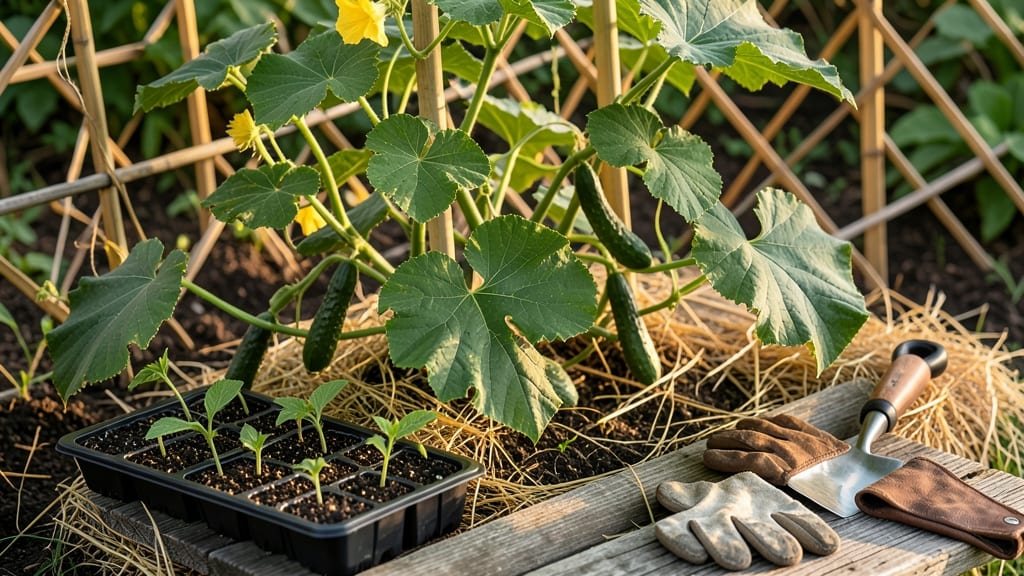
If you’ve ever planted cucumbers in South Florida only to watch them bolt into bitter flowers before producing a single crisp 🥒, you’re not alone. The key to avoiding this common pitfall lies in understanding the perfect planting windows for your region’s unique climate.
South Florida’s frost-free growing season means you can plant cucumbers year-round, but timing matters more than you think. The ideal months to start are February through April and again in August through September—when temperatures are just right to prevent premature bolting.
In this guide, I’ll break down the best planting schedule for your zone, share heat-tolerant varieties that thrive in 90°F+ heat, and reveal simple tricks to keep your plants productive all season long.
Whether you’re a seasoned gardener or just starting out, these insights will help you grow cucumbers that stay fresh, flavorful, and ready for harvest—without the stress of failed crops.
Best planting windows for cucumbers in South Florida’s climate zones
South Florida’s frost-free year-round climate (USDA Zones 10a-11) means cucumbers can grow almost anytime—but timing matters to avoid bolting or poor yields. The key is planting when soil temperatures stay above 60°F and humidity levels are moderate.
Unlike northern climates, we skip winter dormancy, but heat stress in summer can still ruin your harvest if you’re not strategic.
Your two best planting windows are late winter/early spring (February–April) and late summer (August–September). These periods offer cooler temperatures, lower humidity, and longer daylight hours—all critical for cucumbers to thrive.
Summer planting (June–July) is riskier due to 90°F+ heat, which causes bitter, seedy fruit and rapid bolting. Let’s break down the optimal schedule for each window.
📌 PRO TIP: Use black plastic mulch to warm soil faster and retain moisture—this is non-negotiable in South Florida’s hot, sandy soils. It can raise soil temps by 10–15°F, giving seedlings a head start.
| Planting Window | Ideal Months | Soil Temp Goal | Key Strategy | Harvest Window |
|---|---|---|---|---|
| Spring Escape | February–April | 60–75°F | Start seeds indoors; harden off before transplanting | April–June |
| Summer Transition | June–July | 70–85°F (risky) | Use shade cloth (30–50%) + drip irrigation | July–September |
| Fall Harvest | August–September | 75–85°F (cooling trend) | Succession plant every 2 weeks for extended yield | October–December |
| Winter (Microclimates) | December–January | 65–70°F (protected areas) | Grow in containers with row covers; slow growth | February–March |
If you’re planting in spring (February–April), start seeds indoors 3–4 weeks before last frost—but since South Florida has no frost, focus on hardening off seedlings for 7–10 days before transplanting.
Use seedling trays or biodegradable pots to minimize root disturbance. For summer plantings (June–July), opt for heat-tolerant varieties like ‘Southern Sweet 100’ and provide afternoon shade to prevent sunscald on leaves.
For fall plantings (August–September), the goal is to capitalize on cooling trends as we transition into dry season. This is when cucumbers really shine—expect sweeter, crunchier fruit with fewer pests.
Space plants 12–18 inches apart in raised beds or mound soil to improve drainage, as South Florida’s clay-heavy soils can cause root rot if waterlogged.
🚨 WARNING: Avoid planting cucumbers in peak summer (May–July) unless you’re using hydroponics or shade structures. The combination of heat, humidity, and pests (like cucumber beetles) makes traditional soil gardening nearly impossible without constant intervention. If you must try, succession plant every 2 weeks and accept lower yields.
Pro tip: Monitor your local microclimate. Coastal areas (like Miami or Fort Lauderdale) stay cooler and more humid than inland zones (like Homestead or Naples), which can get drier and hotter.
Adjust your watering and mulching accordingly—coastal gardens need more frequent watering, while inland gardens benefit from extra mulch to retain moisture.
Finally, rotate your planting locations every year to prevent soil-borne diseases like powdery mildew or fusarium wilt. Cucumbers are heavy feeders, so amend soil with compost before planting and side-dress with fertilizer every 4–6 weeks during active growth.
With the right timing, you can enjoy fresh cucumbers year-round—just avoid the summer slump!
Best planting windows for cucumbers in South Florida’s climate zones
South Florida’s USDA Zones 10a-11 offer a unique advantage—you can grow cucumbers year-round without frost worries. However, the hottest months (May–August) can trigger bolting, where plants flower prematurely and produce bitter fruit.
The secret to success lies in planting during cooler transition periods when temperatures hover between 60°F and 85°F.
For most gardeners, the two best windows are late winter to early spring (February–April) and late summer to early fall (August–September). These periods align with South Florida’s natural cooling trends, giving cucumbers the ideal conditions to establish strong roots before the heat peaks.
Here’s the breakdown of what works—and what to avoid—to maximize your harvest while dodging bolting and pest outbreaks.
| Planting Window | Avg. Temp Range | Key Advantages | Potential Risks |
|---|---|---|---|
| February–April | 65°F–80°F | Slow, steady growth; fewer pests; ideal for bush varieties | Late April heat spikes can cause bolting |
| August–September | 80°F–88°F | Longer daylight; extended harvest into fall; fewer diseases | Hurricane season may disrupt planting |
| January | 60°F–75°F | Cool evenings prevent bolting; great for early harvests | Slower growth; limited market demand |
| October–December | 70°F–85°F | Mild winters allow year-round production | Drought stress in December; shorter daylight |
If you’re aiming for a continuous harvest, consider succession planting every 2–3 weeks during the ideal windows. For example, start your first batch in late February and follow up with a second in early April to bridge the gap before summer heat sets in.
For container gardening, timing is even more critical. Since pots heat up faster, plant in shaded areas during the hottest months (June–July) or opt for heat-tolerant varieties like ‘Southern Sweet 100’ that handle 90°F+ temperatures better than standard types.
Pro tip: Monitor your local microclimate. Coastal areas stay cooler longer than inland zones, so adjust your planting dates accordingly—coastal gardeners can often plant a week later than inland growers without risking bolting.