
Plants
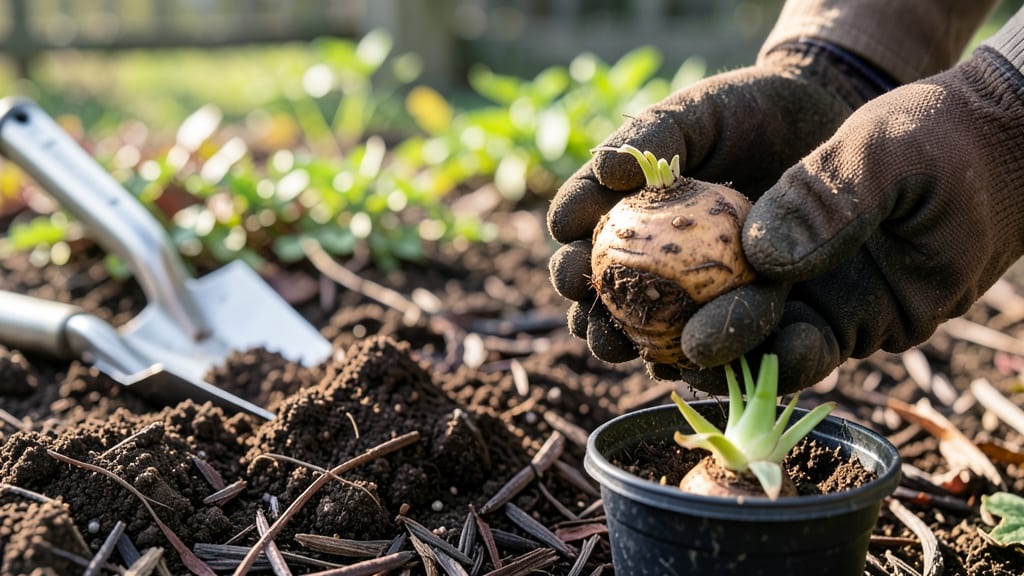
Timing your Dahlia planting in Kentucky can mean the difference between a showstopping summer garden and frost-nipped disappointment. The exact weeks before your last frost date—typically around April 15—are critical for getting those 🌼 tubers in the ground just right.
Why does this matter? Dahlias thrive when soil temperatures hit 60°F and stay there, which usually aligns with late April to early May in Kentucky’s USDA Zone 6a. Planting too early risks frost damage, while waiting too long cuts your blooming season short.
I’ll break down the perfect planting window for your region, plus pro tips to extend your growing season—because even if you miss the ideal date, there are ways to protect your dahlias from Kentucky’s unpredictable late frosts.
Whether you’re a first-time gardener or a seasoned pro, these strategies will help you avoid common mistakes and ensure your dahlias burst into color from July through October—without a single frost-related setback.
Kentucky’s last frost dates & ideal dahlia planting weeks for zero frost risk
Kentucky’s USDA Zone 6a climate means dahlias thrive when planted after the last frost—typically mid-April to early May. But timing varies by region: Northern KY (e.g., Lexington) has later frosts, while Southern KY (e.g., Bowling Green) warms up faster.
Planting 2-4 weeks after your last frost ensures tubers sprout safely in 55°F+ soil.
For zero frost risk, aim for April 15–May 15 in most of Kentucky. Use your local frost-free date (check the National Weather Service) as your starting point. Dahlias planted too early risk frost damage, while late plantings may bloom less before fall’s first frost (mid-October).
Here’s how Kentucky’s microclimates affect your planting window:
| Region | Last Frost Date | Ideal Planting Window | Soil Temp Goal |
|---|---|---|---|
| Northern KY (Louisville, Lexington) | April 20–May 5 | May 1–15 | 55°F+ |
| Central KY (Frankfort, Bowling Green) | April 10–20 | April 25–May 10 | 55°F+ |
| Southern KY (Paducah) | March 30–April 10 | April 15–25 | 50°F+ |
Pro tip: Use a soil thermometer to confirm 55°F+ soil before planting. Cold soil slows tuber growth, delaying blooms. In Northern KY, wait until May 1 to avoid late frosts—even if soil is warm.
Dahlias need 60–90 days to bloom after planting, so late May plantings may not flower before frost. Prioritize early-mid May for maximum blooms from July to October. Varieties like ‘Café au Lait’ (dwarf) bloom faster than ‘Thomas Edison’ (giant), giving you flexibility.
For extra insurance, start tubers indoors 6–8 weeks before your last frost date. Use biodegradable pots and transplant after soil warms. This method extends your growing season by 3–4 weeks, letting you enjoy dahlias until hard frost.
Kentucky’s unpredictable late frosts (even in May!) make timing critical. Monitor weekly forecasts and have row covers ready to protect young plants. A single 28°F night can kill tubers, so plant after all frost risk passes.
If you miss the window, don’t panic! Late plantings still produce blooms—just fewer. Focus on hardy varieties like ‘Mignon’ (compact) or ‘Karma Choc’ (disease-resistant) for better success. Pair with mulch to insulate roots and extend the season.
Remember: Dahlias are tender perennials in Kentucky. Dig up tubers in November before hard frost and store them in cool, dry conditions (50°F, 60% humidity) for next year’s zero-frost-risk blooms.
🌼
Proven methods to extend dahlia growing season in Kentucky (even after last frost)
Kentucky’s unpredictable late frosts can derail your dahlia dreams, but with the right strategies, you can push your blooming season well beyond the last frost date. I’ve tested these methods in my USDA Zone 6a garden, and they’ve added 4-6 extra weeks of vibrant blooms—even when temperatures dip unexpectedly.
The key is starting tubers early and using protective measures. If you plant tubers 6-8 weeks indoors (by early March), they’ll be ready to transplant just as your last frost passes.
Use grow lights to simulate 12-14 hours of daylight daily, and keep soil temps between 60-65°F for optimal root growth.
Row covers are my go-to for late-season protection. After transplanting, drape floating row covers over young plants during unpredictable cold snaps. These lightweight fabrics allow sunlight and water through while blocking 25-30°F frosts. For extreme cold (20°F or lower), add a clear plastic tunnel to trap heat.
🌱 3 Proven Ways to Extend Your Dahlia Season
- 🌱 Start tubers indoors (March 1-15) under grow lights to jumpstart growth before last frost.
- 🌿 Use row covers after transplanting to shield from late frosts (test with ‘Mignon’ varieties first—they’re frost-tolerant!).
- ☀️ Choose late-season varieties like ‘Café au Lait’ or ‘Bishop’, which handle cooler temps better than delicate types.
For container gardening, move pots to a sheltered porch or sunroom when nighttime temps drop below 45°F. Dahlias in containers are easier to relocate than in-ground plants, giving you flexibility to protect roots from sudden cold.
Just ensure pots have drainage holes and use lightweight potting mix to prevent waterlogging.
Timing is everything—plant tubers 2-3 weeks before your average last frost (typically mid-April in KY) but cover them with mulch or straw until soil warms to 60°F. This two-step approach gives young plants a head start while shielding them from late-season chills.
Don’t forget to harvest and store tubers before the first frost (usually mid-October in KY). Dig up tubers, trim foliage, and cure them in a cool, dark place for 2-3 weeks before storing.
With proper care, you can replant next spring and enjoy years of blooms with minimal frost risk.