
Plants
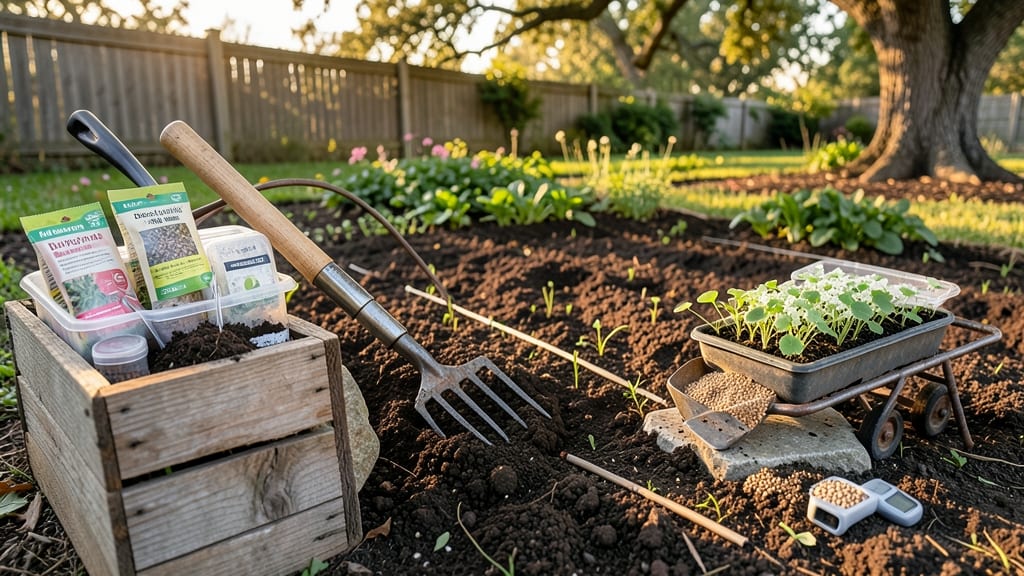
When to plant fall food plots in Georgia isn’t just about throwing seeds in the ground—it’s the difference between a lush, deer-magnet plot and a disappointing flop. With Georgia’s 7b-8b climate, planting too early means wasted growth, while waiting too long risks frost cutting your crop short before peak deer season.
Most gardeners and landowners in Georgia struggle with this exact question: when to plant 🌾 fall food plots for maximum impact. The answer lies in understanding your region's frost dates and choosing crops that thrive in Georgia's late August to early October window.
Get this right, and you'll have a food plot bursting with nutrition just as deer start bulking up for winter.
I'll break down the exact 4-6 weeks before frost rule that works for Georgia's varied regions, from the cooler North to the milder South. Plus, I'll share which crops—like clover, brassicas, and winter rye—perform best in your specific zone and how to prep your soil for success.
Whether you're hunting whitetails or just want to boost wildlife on your property, these insights will help you create a food plot that deer can't resist—before the first frost hits. Let's get started.
Georgia’s fall food plot planting timeline: exact weeks before first frost by region
Georgia’s fall food plots thrive when planted at the perfect moment—too early, and you risk overgrowth or pest pressure; too late, and frost stunts development.
The ideal window is 4-6 weeks before the first frost, but Georgia’s three distinct regions (North, Central, South) have different frost dates and microclimates. Let’s break down the exact planting dates for each zone, using historical frost data from the Georgia Cooperative Extension.
North Georgia (including Chattanooga and the Blue Ridge Mountains) has the earliest frost dates, typically hitting mid-November. This means your last planting window is early October—any later, and your clover or brassicas won’t establish roots before winter.
Central Georgia (around Atlanta) usually sees frost late November, giving you a slightly longer window until mid-October. South Georgia (near Savannah) is the most forgiving, with frost often arriving early December, allowing plantings until early November.
Here’s the comparison table with region-specific planting windows, crops to prioritize, and frost date averages to help you plan:
| Region | First Frost Date | Ideal Planting Window | Best Crops | Soil Temp Goal (°F) |
|---|---|---|---|---|
| North Georgia | Mid-November | Late August - Early October | Winter rye, clover blends, brassicas | 55-65°F |
| Central Georgia | Late November | Early September - Mid-October | Winter rye, turnips, chicory | 60-70°F |
| South Georgia | Early December | Mid-September - Early November | Clover, brassicas, cereal grains | 65-75°F |
Pro tip: Use a soil thermometer to confirm soil temperatures are above 55°F before planting. Cool soil slows germination, and slow starts mean weaker stands by frost. In North Georgia, where frosts arrive earliest, prioritize fast-growing crops like winter rye or turnips, which can establish in 30-45 days.
South Georgia’s longer window lets you experiment with slower-growing clovers or chicory, which deer love but take 60+ days to mature.
One common mistake? Planting too late in hopes of a warmer fall. But September heat waves can fool you—even if temps stay mild, nighttime temps dropping below 50°F signal frost is coming.
Check the National Weather Service’s frost prediction maps for Georgia, and aim to plant when daytime highs are consistently 75-85°F and nighttime lows stay above 55°F. This balance ensures rapid germination without heat stress.
For brassicas (like turnips or radishes), which deer adore, plant late August to early September in North Georgia. These crops handle light frosts and actually sweeten after a light freeze, making them a hunter’s dream.
In Central and South Georgia, you can push brassicas into early October, but avoid planting after mid-October—they’ll bolt or rot before frost.
If you’re planting clover blends or cereal grains (like winter rye), these are more frost-tolerant and can handle later plantings. In South Georgia, you might even squeeze in a November planting of annual ryegrass, which germinates quickly and provides winter forage.
Just be prepared to cover seeds lightly with straw if frost threatens before germination.
Remember: Deer activity peaks in October and November, so your goal is to have a lush, established plot by mid-October. This means North Georgia should aim for 90% germination by late September, while South Georgia can afford a later start.
Use seed-treated varieties to avoid fungal diseases in damp fall soil, and consider no-till drilling to preserve soil moisture and microbiome health.
Finally, don’t overlook microclimates within your property. Low-lying areas frost earlier than hilltops, and south-facing slopes stay warmer. Scout your land in late August to identify frost pockets—these spots may need earlier planting or frost cloth for high-value crops like chicory.
With these region-specific timelines, you’ll avoid the costly mistakes
Georgia’s fall food plot planting timeline: exact weeks before first frost by region
Georgia’s three distinct regions—North, Central, and South—each have unique frost dates, making timing your fall food plot critical. Planting too early in North Georgia (like Chattanooga) risks wasted growth, while waiting too long in South Georgia (like Savannah) means frost cuts your crop short.
The 4-6 weeks before first frost rule is your guide, but regional adjustments ensure success.
North Georgia’s cooler climate (USDA Zone 7b) means frost often hits by mid-November, so aim to plant late August to early September.
Central Georgia (Zone 7b-8a) has a slightly longer window—early September to mid-October—while South Georgia (Zone 8a-8b) can plant until late October thanks to milder winters. These windows align with soil temperatures dropping below 50°F, signaling it’s time to act.
🌾 Visual Guide: Planting Windows by Region 🌾
For maximum deer impact, your food plot should reach peak biomass—8-12 inches tall—just as deer begin rutting in November. This means planting clover blends (fast-growing) in early September or winter rye (slower but hardy) in late August for North Georgia.
In South Georgia, Austrian peas planted in October provide late-season nutrition when other crops fade.
🌡️ Pro Tip: Use a soil thermometer to confirm temperatures are above 50°F before planting. Cooler soils slow germination, and Georgia’s fall nights can drop quickly. If your soil is below 50°F, wait 1-2 weeks or use a black plastic mulch to warm it faster.
Don’t overlook microclimates—low-lying areas frost earlier, while south-facing slopes stay warmer. Adjust your planting date 1-2 weeks later for these spots. For example, if your North Georgia plot is in a valley, plant early September instead of late August.
Precision here means the difference between a lush deer magnet and a frost-killed disappointment.
Once you’ve locked in your planting window, focus on soil prep and seed selection—the next steps to ensure your plot thrives until frost. Test your soil pH (aim for 6.0-7.0) and choose seeds labeled for Georgia’s climate, like whitetail clover or tillering brassicas.
These varieties are bred to handle Georgia’s humidity and heat spikes before winter sets in.