
Planting
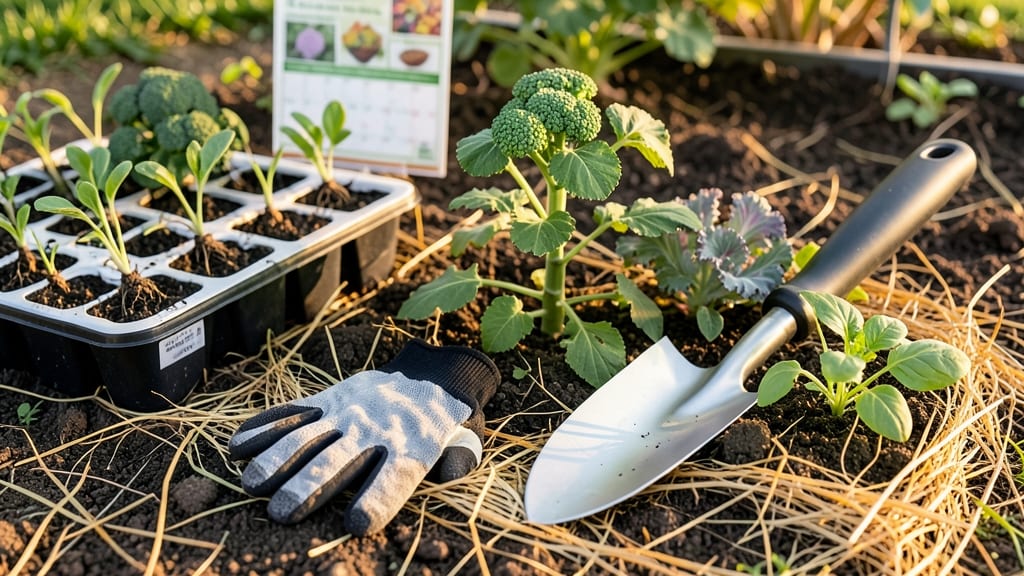
Timing your fall garden in North Carolina could mean the difference between a bountiful harvest and watching your plants wilt before they even mature.
With NC’s Zone 6b-8a climate, you’ve got a narrow window—just mid-August to mid-September—to plant cool-season crops like leafy greens and root vegetables. Plant too early, and the summer heat will stress your seedlings.
Too late, and frost will cut your harvest short. The key is knowing exactly when to start for your specific microclimate.
I’ve grown fall gardens across NC’s varied regions, from Raleigh’s humid summers to Asheville’s cooler highlands. What I’ve learned is that 4-6 weeks before your first frost is the sweet spot for most vegetables.
That means if your average first frost hits November 15 (like in Zone 7a), you should have your seeds in the ground by late September at the latest.
In this guide, I’ll break down the exact planting deadlines for your zone, the best crops to grow, and how to stretch your harvest season with simple tricks like row covers. Let’s get those 🥬 fall vegetables thriving before winter sets in.
NC Zone 7a/7b fall planting deadlines by last frost date
North Carolina’s Zone 7a/7b offers a 120-day growing window for fall crops, but your exact planting deadline depends on your county’s average first frost date.
Most of NC’s Piedmont and Coastal Plain regions see frost between October 20 and November 15, while mountain areas like Asheville may freeze as early as October 10.
To avoid disappointment, plant 4-6 weeks before your local frost date—this gives cool-season crops time to mature before winter sets in.
For example, if your first frost is November 1, aim to plant by September 15 for fast-maturing crops like lettuce (30 days) or spinach (40 days).
Slower growers like kale (60+ days) or carrots (70 days) need an even earlier start—think mid-August for mountain regions or late August for the Piedmont. Use the NC State Extension’s frost risk map to pinpoint your exact deadline.
Here’s how to adjust your timeline based on your location:
| Region | Average First Frost | Planting Window | Fast-Maturing Crops | Slow-Maturing Crops |
|---|---|---|---|---|
| Coastal Plain (e.g., Wilmington) | November 15–20 | Late August–September 15 | Lettuce, radishes, bush beans | Broccoli, cabbage, Brussels sprouts |
| Piedmont (e.g., Raleigh, Charlotte) | October 25–November 5 | Mid-August–September 10 | Spinach, arugula, turnips | Kale, collards, carrots |
| Mountains (e.g., Asheville, Boone) | October 10–20 | Mid-to-late July–August 15 | Radishes, peas, green onions | Winter squash, garlic, leeks |
Don’t let these dates stress you out—succession planting is your secret weapon. Instead of planting everything at once, stagger your lettuce, radishes, and carrots every 2 weeks from mid-August through early September.
This ensures a continuous harvest and reduces the risk of losing your entire crop to an early frost. For example, plant a batch of ‘Black Seeded Simpson’ lettuce on August 15, another on August 30, and a final batch on September 15.
If you’re unsure about your frost date, use this simple formula: subtract 45 days from your average first frost date to find your last planting deadline. For instance, if frost hits November 1, your deadline is September 15.
For extra insurance, add row covers or a cold frame to extend your season by 4–6 weeks. These low-cost tools create a microclimate that protects tender crops from light frosts (28–32°F).
One common mistake? Planting heat-loving crops like tomatoes or peppers too late in summer. By mid-August, NC’s summer heat is winding down, and these plants won’t have enough time to mature before frost.
Instead, save your eggplant and basil seeds for spring or focus on cool-season alternatives like kale or Swiss chard, which thrive in cooler weather and even sweeten up after a light frost.
For Asheville gardeners in Zone 7a, aim to direct-sow hardy peas and spinach by July 15—these can handle cooler mountain nights. In contrast, Raleigh gardeners in Zone 7b have until September 1 to plant broccoli and cabbage. To stay on track, mark your calendar with these key dates:
Best fall vegetables for NC gardens (ranked by frost tolerance)
Choosing the right fall vegetables for your NC garden means balancing frost tolerance with your local first frost date. In Zone 7a/7b, where frost typically arrives between mid-November and early December, you’ll want crops that mature quickly or can handle light frosts.
I’ve ranked the top 10 based on their ability to thrive in NC’s cool-season conditions, organized by planting sequence to maximize your harvest.
Start with heat-tolerant varieties like bush beans or cucumbers in early August—they’ll handle residual summer heat before cooler temps arrive. Then transition to cool-season workhorses like kale and spinach by mid-September. The key is matching each crop’s days to maturity with your frost-free window.
🌱 Pro Tip: For a foolproof fall garden, aim for crops that mature in 45–60 days. This gives you flexibility if your frost comes early or late. For example, ‘Black Seeded Simpson’ lettuce (45 days) is far more reliable than ‘Buttercrunch’ (60+ days) in NC’s shorter fall season.
| Crop | Days to Maturity | Frost Tolerance | Planting Window | Harvest Window |
|---|---|---|---|---|
| Kale (‘Winterbor’) | 50–60 days | ❄️❄️❄️ (survives 25°F) | Mid-August–Sept 15 | Oct–Dec |
| Spinach (‘Bloomsdale’) | 40–50 days | ❄️❄️ (dies at 20°F) | Late Aug–Sept 10 | Sept–Nov |
| Carrots (‘Danvers’) | 60–70 days | ❄️ (tolerates light frost) | Late July–Aug 20 | Oct–Dec |
| Radishes (‘Cherry Belle’) | 25–30 days | ❄️❄️❄️ (survives 15°F) | Sept 1–Oct 15 | Oct–Nov |
| Lettuce (‘Black Seeded Simpson’) | 45–50 days | ❄️ (bolt-resistant) | Mid-Aug–Sept 10 | Sept–Nov |
For maximum frost resistance, prioritize brassicas like kale and alliums like garlic. These crops not only survive frost but often sweeten in cold weather.
If you’re in a warmer microclimate (like coastal NC), you can push planting dates later—even into early October—for crops like collard greens, which handle temps down to 15°F.
Avoid heat-loving crops like tomatoes or peppers in your fall garden—they’ll bolt or rot in NC’s cooler temps. Instead, focus on cool-season staples that thrive when nights dip below 60°F. With the right mix, you’ll enjoy fresh greens and roots well into December.
🌿 Remember: Succession planting is your best friend. Sow radishes every 2 weeks from September to October for a steady harvest, and use row covers to protect tender crops like lettuce from unexpected cold snaps.