
Plants
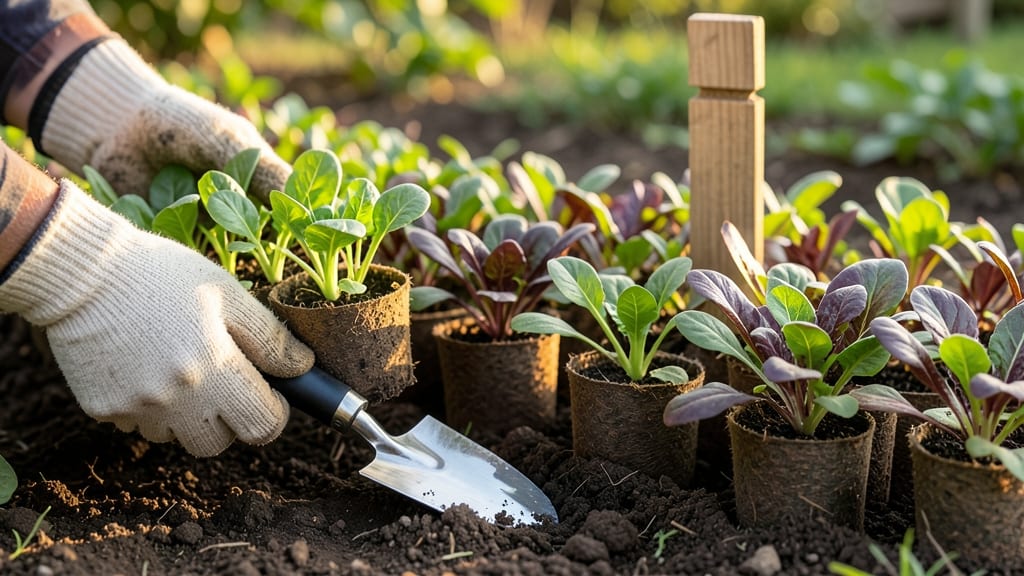
Timing your fall lettuce planting in Zone 6 isn't just about throwing seeds into the soil—it's about outsmarting your climate to avoid bitter, bolted greens and enjoy crisp, sweet harvests straight from your garden. 🥬
Most gardeners in Zone 6 make one critical mistake: planting too early when summer heat lingers, or too late when frost sneaks in faster than expected.
The sweet spot? Mid-August to mid-September, when soil temperatures drop into the ideal 45-65°F range—but even that window needs fine-tuning based on your microclimate.
Why does this matter? Because getting it right means the difference between a 30-day harvest of tender leaves and a sad, bolted disappointment.
I'll show you exactly how to calculate your perfect planting dates, which varieties thrive in fall's cooling embrace, and how to stretch your harvest until the first frost.
Let's dive into the strategies that will keep your lettuce happy, healthy, and ready to harvest from October through November—no guesswork required.

Optimal fall lettuce planting weeks in Zone 6 by microclimate type
Understanding your Zone 6 microclimate is the first step to avoiding bolting lettuce. Urban gardens, rural fields, and elevated areas all experience slightly different temperatures and frost patterns. For urban gardens, heat retention from buildings can delay fall cooling by 1-2 weeks compared to rural areas.
In Zone 6, aim to plant your fall lettuce between mid-August and mid-September. This window accounts for the 60-75 days most varieties need to mature before the first frost. However, your exact timing depends on whether you're in a heat-sink urban area or a cool mountain microclimate.
For heat-tolerant varieties like 'Black Seeded Simpson,' you can push planting to late August in urban heat islands. In contrast, cold-hardy varieties like 'Arctic King' can handle planting until early October in rural or elevated locations where nights cool faster.
🌱 Fall Lettuce Planting Guide for Zone 6 Microclimates
| Microclimate Type | Ideal Planting Window | Variety Recommendations | Key Consideration |
|---|---|---|---|
| Urban Heat Island | Mid-August to early September | 'Black Seeded Simpson,' 'Jericho' | Plant near reflective surfaces to reduce heat stress |
| Rural Open Fields | Late August to mid-September | 'Winter Density,' 'Romaine' | Use row covers for early frosts |
| Elevated Gardens | Early to mid-September | 'Arctic King,' 'Winterbowl' | Soil warms slower—test temps before planting |
Your soil temperature is another critical factor. Lettuce seeds won't germinate well below 45°F, while ideal germination occurs between 60-75°F. Use a soil thermometer to confirm your beds are ready before sowing. In Zone 6, soil temperatures typically drop below 60°F by mid-September in most microclimates.
For succession planting, make weekly sowings from mid-August to early October. This staggered approach ensures a continuous supply of fresh lettuce. Start with heat-tolerant varieties first, then transition to cold-hardy types as temperatures drop.
When selecting your planting location, prioritize areas with 4-6 hours of morning sun and afternoon shade. This light regimen prevents bolting while maintaining crisp texture. Avoid low-lying spots where cold air pools—these areas frost earlier and can damage tender lettuce leaves.
Remember that container gardening offers more flexibility. Pots can be moved to protected microclimates like sunny patios during the day and sheltered balconies at night. This strategy extends your growing season by 2-3 weeks compared to in-ground planting.
If you're using transplants instead of direct sowing, choose 6-week-old seedlings from your local nursery. Transplant them into the garden when soil temperatures are consistently above 50°F and nighttime temps stay above 40°F. This usually aligns with late August to early September in most Zone 6 areas.
Finally, always check your local frost dates. While Zone 6's average first frost is October 15, microclimates can vary by 1-2 weeks. Use your planting calendar to mark the date 60 days before your expected frost—this is your final planting deadline for most varieties.
Optimal fall lettuce planting weeks in Zone 6 by microclimate type
Zone 6 gardeners face unique challenges when growing fall lettuce—your microclimate can shift planting windows by 2-3 weeks. Urban areas often trap heat longer, while rural spots cool faster.
To avoid bolting (when lettuce turns bitter and flowers), I’ve broken down the best planting weeks based on your specific conditions.
For urban gardens, aim for late August to early September plantings. Concrete and buildings delay cooling, so your soil stays warmer longer. Rural gardens can start slightly earlier—mid-August to mid-September—thanks to faster nighttime cooling.
Elevated areas (like hillsides) should wait until early September since they cool more quickly.
Here’s a quick reference for your Zone 6 microclimate and the best lettuce varieties to match:
| Microclimate | Best Planting Window | Top Varieties | Harvest Window |
|---|---|---|---|
| Urban (heat-retaining) | Late August - Early September | 'Black Seeded Simpson', 'Winter Density' | October - Mid-November |
| Rural (cooler nights) | Mid-August - Mid-September | 'Arctic King', 'Winterbowl' | Late September - November |
| Elevated (fast cooling) | Early September | 'Romaine', 'Buttercrunch' | October - Early November |
Pro tip: Butterhead varieties like 'Buttercrunch' thrive in cooler fall temps, while romaine stands up better to light frost. For continuous harvests, stagger plantings every 2 weeks starting in late August. This ensures fresh greens from September through November, even if an early frost hits.
Soil temperature is your secret weapon against bolting. Lettuce roots prefer 45-65°F soil. Use a soil thermometer to confirm—if it’s above 70°F, delay planting until nights cool.
In my Zone 6 garden, I’ve seen success by planting when daytime highs hit 75°F but nights drop to 55°F.
Don’t forget to harden off seedlings for 7-10 days before transplanting. This toughens young plants so they survive Zone 6’s temperature swings. Place them in partial shade during the day and bring them in at night if temps dip below 40°F.
With the right timing, your fall lettuce will stay crisp, sweet, and bolt-free—ready for harvest just as winter approaches. 🥬