
Plants
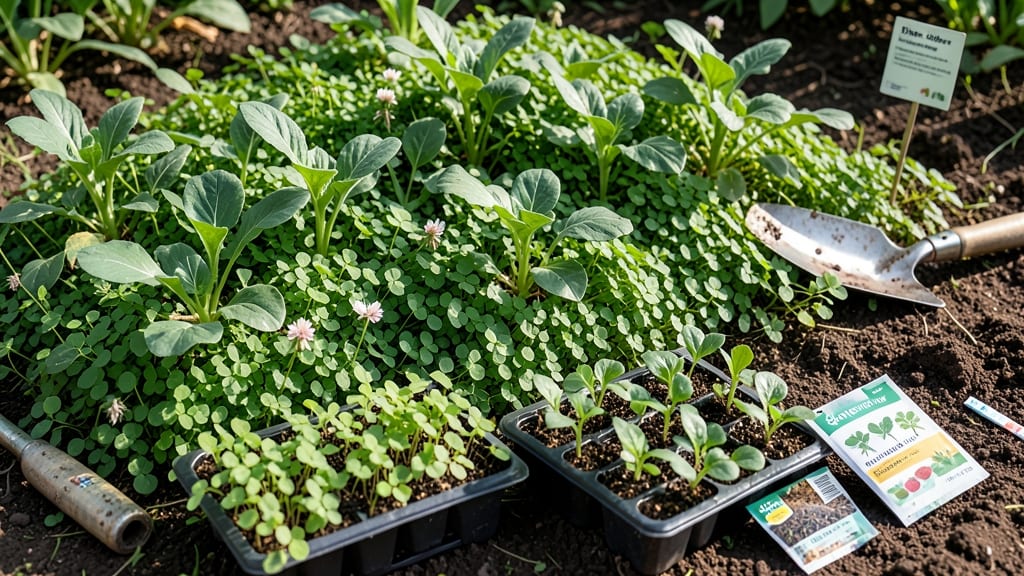
Timing your food plot planting in Texas isn't just about the calendar—it's about soil temperatures, rainfall patterns, and deer behavior that can make or break your hunting season success.
If you've ever wondered why some food plots thrive while others struggle, the answer lies in understanding Texas' unique climate challenges. From North Texas' cooler springs to South Texas' scorching summers, each region demands a different approach.
Let me show you how to align your planting schedule with nature's rhythm for maximum deer impact.
We'll break down the best planting windows by soil temperature zones, so you know exactly when to plant clover, brassicas, or warm-season grasses.
Plus, I'll share proven strategies to extend your growing season and adapt to Texas' unpredictable weather—because even the best-laid plans need backup when Mother Nature throws a curveball.
Ready to transform your food plots into a deer magnet? Let's dive into the science and practical tips that will have bucks visiting your property all season long.
Texas food plot planting calendar by soil temperature zones
Planting food plots in Texas requires understanding the state's diverse soil temperature zones, which dictate when your seeds will germinate and thrive. Unlike northern states, Texas' North, Central, and South regions experience different warming patterns, meaning a one-size-fits-all approach won't work.
For example, North Texas (like the Panhandle) can plant clover as early as late February, while South Texas (Rio Grande Valley) may need to wait until mid-March for the same results.
Soil temperatures below 50°F can stall germination for cool-season plots like clover and ryegrass, while warm-season mixes such as sorghum-sudan and millet need soils above 65°F to activate.
Using a soil thermometer (available for ~$15) is the best way to track these shifts—especially in transition months like March and October when temperatures fluctuate wildly.
🌱
| Region | Optimal Planting Window | Soil Temp Threshold | Best Species |
|---|---|---|---|
| North Texas | Late February - Early April | 50°F+ for cool-season | Clover, Ryegrass, Winter Peas |
| Central Texas | Mid-March - Mid-April | 55°F+ for cool-season | Brassicas, Turnips, Winter Wheat |
| South Texas | Mid-March - Late April | 60°F+ for cool-season | Sorghum-Sudan, Millet, Cowpeas |
| All Regions (Fall) | Late August - Early October | 65°F+ for warm-season | Amaranth, Sunflower, Winter Rye |
For cool-season food plots, aim to plant when 50% of your target soil depth (typically 4-6 inches) reaches the threshold temperature. In North Texas, this often aligns with St. Patrick's Day (March 17), while Central Texas may need to wait until Easter weekend.
Pro tip: Test your soil at 2-inch and 6-inch depths—surface temps can be misleading.
Warm-season plots like sorghum-sudan thrive when soils hit 65°F+ consistently. In South Texas, this window opens around mid-April, but Central Texas may not see reliable germination until late April or early May. Always check 7-day forecasts for rain—dry spells after planting can cause seed desiccation.
🌡️
One common mistake is planting cool-season plots too late (after April 15 in most zones), which leads to heat stress before deer season. Conversely, warm-season plots planted before May 1 risk freeze damage in North Texas.
Use Texas A&M AgriLife Extension's frost maps (available online) to track safe planting windows for your specific county.
If you're planting perennial plots like clover, consider fall planting (August-September) for an earlier spring green-up. These plots establish deeper roots over winter and produce 30-50% more forage in early spring when deer are most active.
For annual plots like brassicas, prioritize early spring (March) and late summer (August) plantings to maximize deer impact during rut and winter.
🪴
For hunters, aligning planting with deer behavior is key. Spring plots (March-April) should be ready by mid-May for the pre-rut, while fall plots (August-September) should mature by October-November for peak rut activity.
In South Texas, where deer are active year-round, summer plots (June-July) can provide critical forage during dry spells.
To extend your planting window, use black plastic mulch to warm soils 5-10°F faster in spring or row covers to protect young seedlings from unpredictable late frosts. Always monitor Texas A&M's Soil Temperature Network for real-time data tailored to your region.
Rainfall and weather factors that determine Texas food plot success
Texas' weather is as unpredictable as a whirlwind, and your food plot success hinges on understanding these patterns. Droughts, heat spikes, and sudden storms can turn a thriving plot into a wasteland if you're not prepared.
The key is adapting your planting schedule based on historical rainfall data and current weather forecasts.
Start by checking the 30-year average rainfall for your specific Texas region. North Texas typically sees 25-35 inches annually, while South Texas can exceed 40 inches. Use this baseline to gauge whether you're in a dry cycle or facing above-average moisture.
My go-to resource is the Texas A&M AgriLife Extension's rainfall maps, which break down monthly trends by county.
Planting too early in a dry spell can leave seeds exposed and vulnerable. Aim to plant when soil moisture is at least 50% of field capacity—this means checking soil depth with a trowel.
If the top 2 inches feel dry, delay planting until after a 1-inch rainfall event or irrigate lightly before seeding.
For fall plantings, prioritize species like austrian winter peas or ryegrass, which establish roots quickly before winter rains arrive. In contrast, spring plantings of clover or brassicas need consistent moisture to germinate—so time them for March-April when rainfall increases.
Consider installing a rain gauge near your food plot to track real-time moisture levels. This simple tool helps you decide when to irrigate or delay planting. Even 1/4 inch of rain can make the difference between success and failure for newly seeded plots.
Texas' Eastern regions often face flash flooding in late summer. If heavy rains are forecasted after planting, use straw mulch to prevent erosion and seed washout. Meanwhile, West Texas may require drip irrigation for summer survival of warm-season mixes like sorghum.
Finally, don't overlook wind patterns. Open fields in North Texas can experience 30+ mph winds during spring, which may require soil crusting control measures like hydro-mulching or light straw cover. Always check the National Wind Speed Probability Tool** before planting in exposed areas.