
Trees
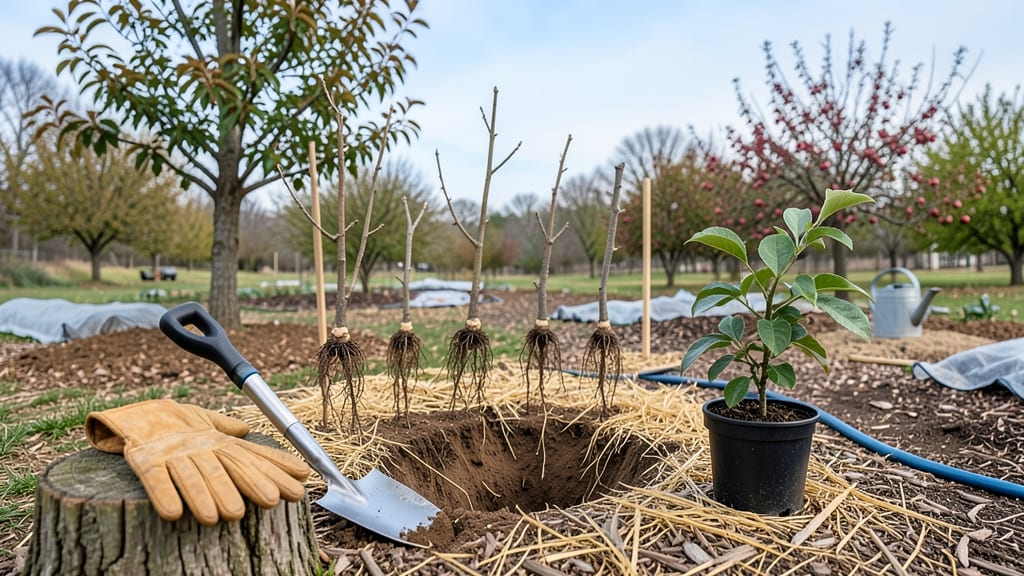
Timing your fruit trees 🍎 in Massachusetts can make or break their survival—plant too early, and frost will damage tender roots; too late, and they won’t establish before winter.
The ideal window for USDA Zones 5b-6b is early spring or fall, when soil is workable but temperatures are mild enough for root growth.
Most gardeners in Massachusetts swear by September to early October for fall planting, giving roots time to settle before the first frost. But spring planting (March to early April) also works if you act fast—before buds swell. The key is avoiding extreme heat or cold, which stress young trees.
Whether you’re planting bare-root apple trees or container-grown blueberries, the right timing ensures stronger root systems and healthier fruit production. I’ll break down the best months for each variety, soil prep tips, and how to protect your investment from Massachusetts’ unpredictable weather.
Ready to get started? Let’s dive into the exact planting schedule that’ll give your fruit trees the best shot at thriving—no guesswork, just proven results for your climate zone.
Best planting months for fruit trees in Massachusetts by variety
Massachusetts’ USDA Zones 5b-6b create a unique challenge for fruit tree planting—you need to balance frost risk with root establishment. Most varieties thrive when planted during their dormant season, which means either early spring (March-April) or early fall (September-October).
The key is avoiding extreme heat or cold, which stress young roots.
For deciduous fruit trees like apples, pears, and cherries, fall planting is ideal because cool soil temperatures reduce transplant shock. Evergreen varieties like blueberries and cranberries prefer spring planting to avoid winter desiccation. Let’s break down the best timing for each popular fruit tree in your region.
🌱
Apple and pear trees are the most flexible—they handle both fall and spring planting, but fall is often better because the cool soil reduces stress. Cherry trees, however, must be planted in early spring to avoid late-season frosts that can damage blossoms.
Blueberries and cranberries prefer spring planting to establish roots before summer heat.
If you’re planting in fall, aim for 6-8 weeks before the first expected frost (typically mid-October in Massachusetts). This gives roots time to establish without the tree putting energy into leaf growth.
For spring planting, get your trees in the ground as soon as soil is workable (usually March-April), but before buds swell.
One common mistake I see is planting too late in fall—trees planted in November or December often suffer from winter desiccation. Always check the last frost date for your specific Massachusetts region (e.g., Boston vs. Western MA) and adjust accordingly.
The Massachusetts Horticultural Society offers excellent local frost date resources.
For container-grown trees, you have slightly more flexibility—they can be planted year-round except in winter. However, they still benefit from the same seasonal timing rules to maximize root growth. If you’re unsure about your local microclimate, observe nearby gardens or ask local nurseries for their recommended planting windows.
🌳
Pro tip: If you’re planting multiple varieties, group them by pollination needs. For example, apple trees often need a second variety for cross-pollination, so plant them close together. Blueberries also require specific companion plants to thrive—consider adding comfrey or ferns to improve soil acidity naturally.
Finally, remember that bare-root trees (sold without soil) must be planted as soon as possible after purchase—they dry out quickly. Container-grown trees are more forgiving but may need their root balls soaked before planting to reduce transplant shock.
✂️
How to prepare for Massachusetts planting season: soil, climate, and root care tips
Massachusetts’ cool climate and variable frost dates mean your fruit trees need extra care before planting. Start by testing your soil pH—most fruit trees prefer 6.0-7.0, but blueberries thrive in acidic soil (4.5-5.5).
Use a simple soil test kit from your local garden center or send a sample to the UMass Soil and Plant Nutrient Testing Lab for precise results.
Once you know your soil’s condition, amend it with organic matter like compost or well-rotted manure. Fruit trees need well-draining soil to avoid root rot, especially in clay-heavy areas common in western Massachusetts.
Mix in sand or perlite if drainage is poor, but avoid heavy amendments that compact the soil further.
⚠️ Warning: Avoid These Planting Mistakes
- Planting too deep—buried graft unions fail to heal.
- Skipping root pruning—trim circling roots on container-grown trees.
- Ignoring frost dates—spring planting must finish before buds swell.
These errors stunt growth or kill young trees in Massachusetts’ unpredictable climate.
Choose the right tree size for your space: dwarf varieties (6-8 ft) work for small yards, while standard trees (20+ ft) need ample room. Dig a hole twice as wide as the root ball but only as deep—planting too deep suffocates roots.
Loosen the root ball gently if it’s tightly bound, and tease out any circling roots to encourage outward growth.
After planting, mulch heavily with wood chips or straw to retain moisture and regulate soil temperature. Keep mulch 3-4 inches deep but avoid piling it against the trunk, which can cause rot.
Water deeply right after planting to eliminate air pockets in the soil, then maintain consistent moisture for the first 2-3 growing seasons—drought stress weakens young trees.
Protect newly planted trees from late spring frosts (common in May) with frost cloth or a row cover. In fall, wrap the trunk with tree guard to prevent rodent damage.
Prune only to remove dead or crossing branches—avoid heavy pruning in the first year, as it stresses the tree when it’s already adjusting to its new home.
Finally, monitor for pests like apple maggots or diseases such as fire blight, which thrive in Massachusetts’ humid summers. A copper fungicide spray in early spring can prevent many issues. With the right prep, your fruit trees will establish strong roots and reward you with years of harvests.