
Trees
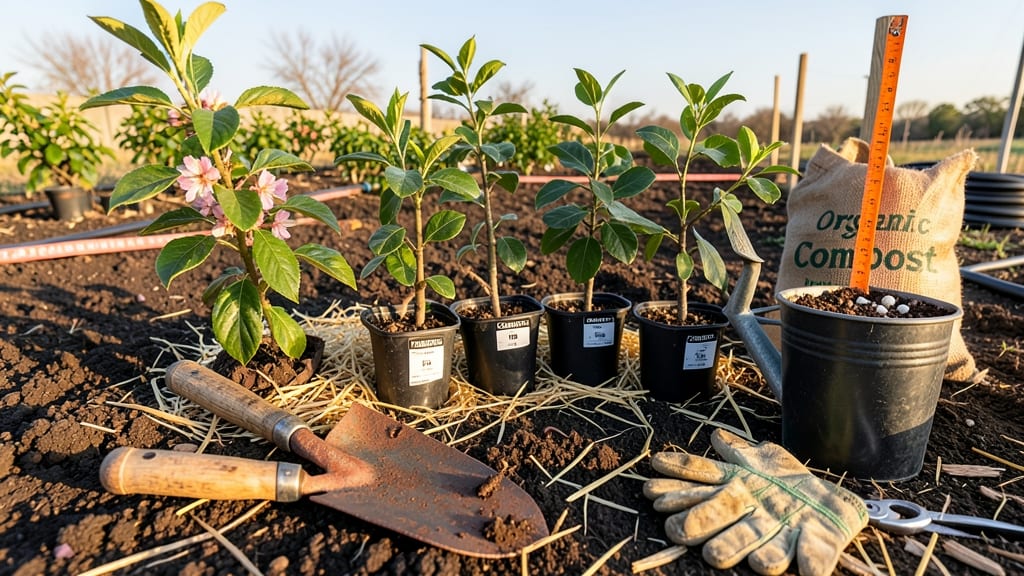
Timing the planting of your 🍎 fruit trees in North Texas isn't just about picking a random month—it's the difference between a thriving orchard and years of disappointment.
With USDA zones 7b-8b bringing unpredictable chill hours and scorching summers, getting this right means selecting the perfect window for your specific varieties.
Peaches, apples, and figs all have different needs, and planting them at the wrong time can leave you with poor fruit set or even tree failure.
I've seen firsthand how a late winter to early spring planting (February-March) sets the stage for success, but there's more to it than just the calendar.
In this guide, I'll break down exactly which months work best for each type of fruit tree, how to match them to North Texas' chill zones, and what to watch for to avoid common mistakes.
Whether you're a first-time gardener or a seasoned orchard keeper, these insights will help you plan for a harvest that puts even the pros to shame.
Ready to turn your backyard into a productive orchard? Let's get started with the essential timing that makes all the difference in North Texas' climate.
North Texas chill zones explained: matching fruit trees to winter chill requirements
North Texas spans USDA zones 7b through 8b, creating a unique challenge for fruit growers. Unlike cooler climates, our chill hours (the number of hours below 45°F) range from 500 to 1,000+ hours annually.
This means selecting the right fruit tree varieties is critical—plant the wrong one, and you’ll end up with blooms but no fruit.
For example, peaches and plums typically need 400–800 chill hours, while apples and pears often require 800–1,200 hours. Fig trees, on the other hand, thrive with less than 300 chill hours, making them a great low-maintenance option for North Texas.
Understanding your specific chill zone helps you avoid costly mistakes. For instance, planting a high-chill apple variety in zone 8b (like Granny Smith) could result in poor fruit set, while a low-chill variety like Red Delicious would flourish.
Here’s how to determine your chill zone: Check your average winter lows. If you’re in Dallas or Fort Worth (7b–8a), you’ll likely have 600–800 chill hours. Areas like Amarillo (7a) may reach 1,000+ hours, while San Antonio (8b) often sits at 500–700 hours.
Matching your tree to your chill zone isn’t just about survival—it’s about maximizing fruit production. A tree that doesn’t get enough chill hours may bloom but drop flowers, leading to zero harvests. Conversely, a tree with excess chill hours might struggle in warmer microclimates.
| Fruit Tree | Chill Hours Needed | Best North Texas Zones | Notes |
|---|---|---|---|
| Peach | 400–800 | 7b–8a | Needs well-draining soil; prone to bacterial spot. |
| Plum | 300–600 | 7b–8b | Drought-tolerant once established; great for urban areas. |
| Apple | 800–1,200 | 7a–7b | Requires cross-pollination; needs acidic soil. |
| Fig | 0–300 | 8a–8b | Heat-loving; minimal chill hours needed. |
| Pear | 500–800 | 7b–8a | Susceptible to fire blight; prune regularly. |
If you’re unsure about your chill hours, local Texas A&M AgriLife Extension offices can provide detailed data for your area. They also offer soil tests to ensure your pH and nutrient levels align with your chosen tree’s needs.
For example, peaches prefer slightly acidic soil (pH 6.0–6.5), while figs thrive in neutral to alkaline soil (pH 6.0–8.0). Testing your soil before planting can save you from years of poor growth or failed harvests.
Once you’ve matched your tree to your chill zone, the next step is planting timing. In North Texas, the ideal window is late winter to early spring, just before bud break but after the last frost date (mid-March).
This timing ensures roots establish before summer heat sets in.
🌱
Best planting months for North Texas fruit trees by variety: a seasonal guide
North Texas’ USDA zones 7b-8b create a unique challenge for fruit tree planting—too early, and your tree may struggle with heat stress; too late, and it won’t establish roots before summer.
The ideal window for most varieties is February through March, but the exact timing depends on your specific fruit tree and local microclimate.
For peaches and plums, which need 300-500 chill hours, aim for late February to early March—this gives them time to root before the heat of April. Apples and pears, requiring 500-1,000+ chill hours, should go in the ground by mid-March to avoid stress from summer’s arrival.
Fig trees, however, are more flexible and can handle planting in April if bare-root.
Soil temperature is just as critical as the calendar. Wait until the ground warms to 50°F (10°C)—use a soil thermometer to check. In North Texas, this typically aligns with late February to early March, but cooler years may push it to April. If you’re planting container-grown trees, you have slightly more flexibility and can plant up to May, but expect slower establishment.
- Peaches & Plums
- Apples & Pears
- Figs
If you miss the ideal window, don’t panic. Container-grown trees can be planted in April or even May, though they’ll need extra water and shade during the first summer.
For bare-root trees, planting in November (before the first frost) is also an option, but they’ll need winter protection like mulch or burlap wraps.
Pro tip: Check your local cooperative extension service for first frost dates—North Texas’ average last frost is mid-March, but this varies yearly. Planting 2-3 weeks after the last frost date gives your trees a buffer against late cold snaps, which can stunt growth or even kill young roots.
Remember, the key to success in North Texas isn’t just the month—it’s matching your tree’s chill needs to your local climate and giving it the right conditions to thrive once planted. With the right timing, you’ll be enjoying homegrown fruit in no time! 🍑🍎