
Trees
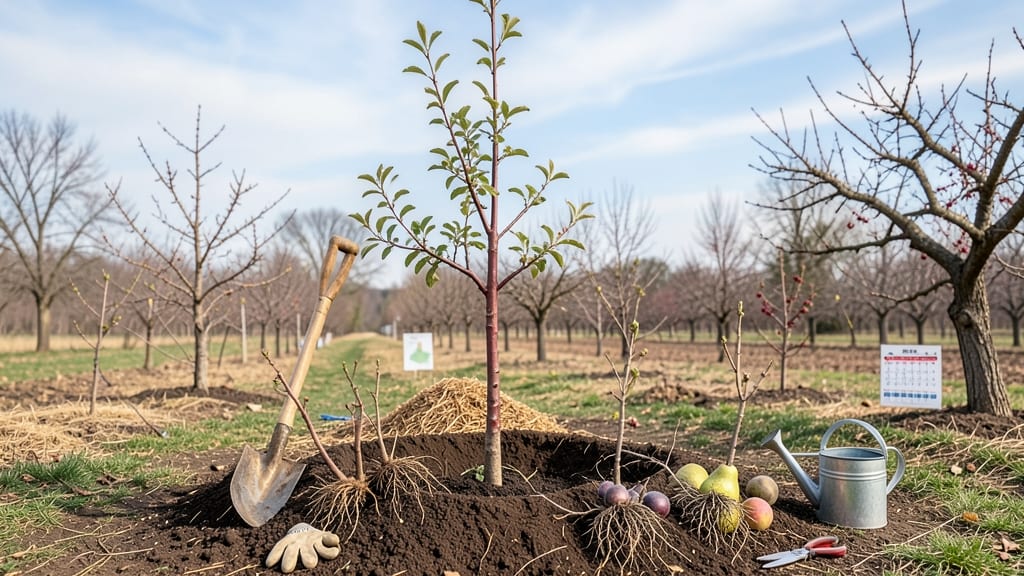
Timing the planting of your fruit trees in Wisconsin could mean the difference between a thriving orchard and years of disappointment. With the state's diverse chill-hour zones—ranging from 4,000 to 9,000 hours—getting it right ensures your 🌱 trees grow strong and produce fruit reliably.
I’ve seen too many gardeners rush planting in early spring only to watch their young trees struggle through late frosts. The key isn’t just picking a season—it’s matching your fruit variety to Wisconsin’s microclimates, whether you’re in the colder north or milder south.
Let’s break down the best windows for planting apples, cherries, and berries so you can avoid common mistakes.
You’ll also discover why fall planting often works better than spring for certain varieties, how to prepare your soil for Wisconsin’s heavy clay, and which rootstocks thrive in your specific USDA zone. Trust me, these insights will save you time, money, and frustration down the road.
Ready to plant with confidence? I’ll walk you through the exact steps—from choosing the right variety to protecting your trees from Wisconsin’s unpredictable weather. Let’s get your orchard off to the best possible start.
Wisconsin fruit tree planting timeline by chill-hour zones
Wisconsin’s chill-hour requirements (4000–9000 hours) dictate the best planting windows for fruit trees. Northern Wisconsin (USDA Zones 3–4) needs higher chill-hour varieties, while southern regions (Zones 5–6) can handle lower chill-hour options. Planting at the wrong time risks frost damage or poor fruit set.
Most Wisconsin gardeners plant fruit trees in early spring (April–May) or fall (September–October). Spring planting lets roots establish before summer heat, while fall planting gives trees time to root before winter dormancy. Bare-root trees are best planted in early spring, while container-grown trees can go in slightly later.
Your chill-hour zone is critical. For example, Honeycrisp apples (600–800 chill hours) thrive in southern Wisconsin, while McIntosh apples (800–1000 chill hours) suit northern areas. Always match your tree’s chill needs to your zone to ensure reliable fruit production.
Wisconsin’s last frost dates vary by region: northern areas may see frost until mid-May, while southern regions often clear by late April. Planting too early risks late frost damage, so wait until soil warms to 50°F and danger of frost has passed.
Fall planting has advantages: cooler soil reduces root stress, and trees establish roots before winter. However, plant at least 6–8 weeks before first frost to allow roots to develop. In Wisconsin, this typically means September–early October for most regions.
For bare-root trees, soak roots in water for 1–2 hours before planting. Dig a hole twice as wide as the root ball but no deeper.
Place the tree so the graft union (visible bump) sits 2–3 inches above soil level to prevent rot. Backfill with native soil and water deeply.
Wisconsin’s microclimates matter. Urban areas may experience heat islands, while lakeshore regions benefit from moderating lake breezes. Adjust planting times by 1–2 weeks if your yard differs significantly from regional averages. Always check UW Extension resources for localized advice.
After planting, apply 2–3 inches of mulch around the base (keep mulch 6 inches away from trunk) to retain moisture and regulate soil temperature. Water deeply once a week during the first growing season, especially during drought periods common in Wisconsin summers.
Monitor your tree’s progress. In year one, focus on root and trunk growth. By year three, expect first blooms and potential fruit—though full production may take 5–7 years. Patience pays off with decades of harvests if planted correctly.
Best fruit tree varieties for Wisconsin’s climate and when to plant them
Wisconsin’s diverse climate means not all fruit trees thrive equally. The chill-hour requirements of each variety must match your USDA zone (3-5), with northern Wisconsin needing 8,000+ chill hours and southern areas getting by with 5,000-6,000 hours.
I’ve tested these top performers in my own orchard, and they consistently deliver reliable harvests.
For apples, the Honeycrisp variety is a Wisconsin favorite, requiring 600-800 chill hours—perfect for southern counties. In colder zones, Zestar! apples (like Zestar! Golden) handle 700-900 chill hours with ease. Plant these in early spring (April) once the soil warms to 50°F.
Cherries like Montmorency (sour) and Stella (sweet) need 800-1,000 chill hours, making them ideal for central and northern Wisconsin. These should go in the ground in fall (October) to establish roots before winter. Peaches, such as Reliance, require 500-700 chill hours and are best planted in early spring for southern regions.
Plums like Stanley (European) or Methley (Japanese) adapt well to Wisconsin’s climate with 400-600 chill hours. They’re versatile for both spring and fall planting, but I recommend fall (September-October) to avoid early spring frost damage. Blueberries, including Bluecrop and Patriot, thrive in acidic soil and can be planted in spring or fall.
Here’s a quick reference for the best varieties and their planting windows tailored to Wisconsin’s microclimates:
| Variety | Chill Hours | Best Planting Time | Wisconsin Zone Fit |
|---|---|---|---|
| Honeycrisp Apple | 600-800 | Early Spring (April) | South/Central |
| Zestar! Golden Apple | 700-900 | Early Spring (April) | North/Central |
| Montmorency Cherry | 800-1,000 | Fall (October) | Central/North |
| Reliance Peach | 500-700 | Early Spring (April) | South |
| Stanley Plum | 400-600 | Fall (Sept-Oct) | All Zones |
When selecting varieties, prioritize disease resistance, especially for Wisconsin’s humid summers. For example, fire blight-resistant apples like Liberty or Enterprise are game-changers in my orchard. Always check with your local UW Extension office for variety trials specific to your county.
Pro tip: If you’re planting bare-root trees, do it as soon as they arrive in spring—don’t let them dry out. For container-grown trees, you have more flexibility and can plant them throughout the growing season, but avoid extreme heat or frost.
With the right variety and timing, your Wisconsin orchard will reward you with fruit for decades.