
Planting
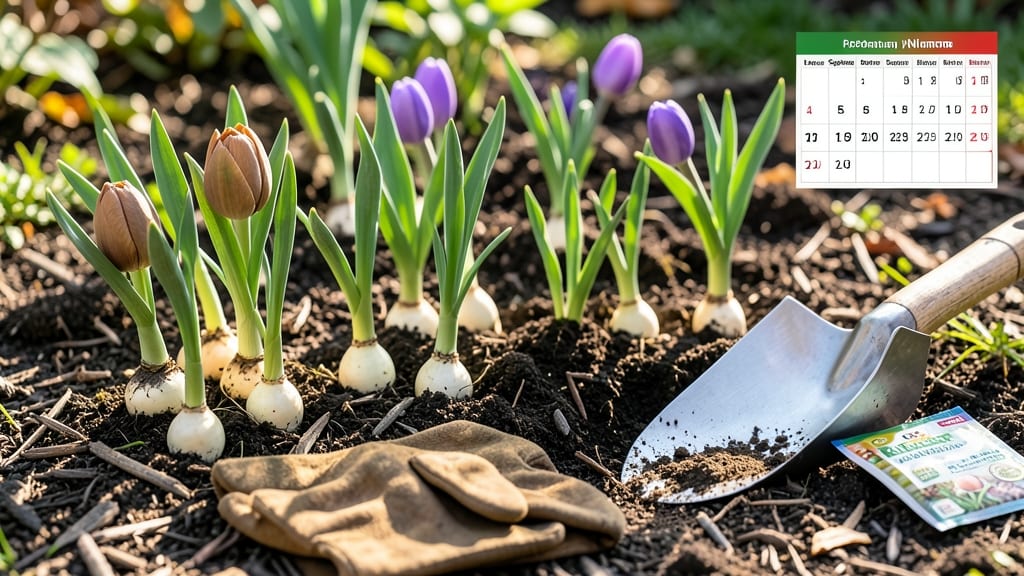
Knowing when to plant a garden in Indiana perfectly means the difference between a thriving harvest and a frost-killed disappointment. With Indiana’s unpredictable spring weather, knowing exactly when to plant your 🌱 can feel like guessing—but getting it right unlocks the secret to a bountiful summer.
Most gardeners in the Hoosier State wait too long, missing the ideal window for cool-season crops like lettuce and peas. But planting too early risks frost damage, while waiting too late can leave you scrambling for summer favorites.
The key is understanding your local last frost dates and adjusting for your specific USDA zone.
I’ve spent years tracking Indiana’s planting patterns, and what I’ve learned will help you avoid common mistakes. Whether you’re a beginner or a seasoned gardener, these insights will give you the confidence to plant at the perfect moment—so you can enjoy fresh produce straight from your garden all season long.
From extending your growing season with row covers to choosing the right varieties for your region, we’ll cover everything you need to know. Let’s get your Indiana garden off to the best possible start!
Indiana’s last frost dates by region: when to plant cool-season crops
Indiana’s cool-season crops like lettuce, spinach, and peas thrive when planted early—but timing is everything. The last frost dates vary by region, from late April in Southern Indiana to early May in the North.
I’ve gardened here for years, and I’ve learned that historical frost data is your best friend for avoiding crop loss.
Northern Indiana (USDA Zone 5) typically sees its last frost around May 10–15, while Central Indiana (Zone 6) averages April 25–May 5. Southern Indiana (Zone 6b) can be even warmer, with last frosts often occurring by April 15–25.
Always check local frost records—they’re more reliable than guessing!
Here’s the key: Cool-season crops can handle light frosts, but a hard freeze will kill them. Plant spinach and peas 3–4 weeks before your last frost date. For broccoli and cabbage, wait until 2 weeks before.
I’ve seen gardeners in Lafayette plant lettuce in early April only to lose it to a late frost—don’t make that mistake!
🌱
| Region | Last Frost Date | Best Planting Window | Frost-Tolerant Crops |
|---|---|---|---|
| Northern Indiana | May 10–15 | April 15–May 5 | Peas, spinach, kale, broccoli |
| Central Indiana | April 25–May 5 | April 1–April 20 | Lettuce, radishes, onions, carrots |
| Southern Indiana | April 15–25 | March 20–April 10 | Peas, cabbage, Brussels sprouts, collards |
Pro tip: Use row covers to protect seedlings if you’re planting early. I’ve extended my spinach harvest by 2–3 weeks using lightweight fabric. Just remove it on warm days to prevent overheating. For hardy greens like kale, you can even plant in late summer for a fall harvest!
If you’re unsure about your exact last frost date, check the National Weather Service or local cooperative extension office. They provide 30-year averages that account for Indiana’s unpredictable weather patterns. I cross-reference these with my own garden journal to fine-tune my schedule.
For cool-season flowers like pansies and snapdragons, follow the same timeline as your vegetable crops. These beauties can handle light frosts too, adding color to your garden before summer blooms take over. Just avoid planting tender annuals like petunias until after the last frost.
One mistake I see often is planting warm-season crops like tomatoes too early. They’ll just sit and rot in cold soil. Wait until the soil reaches 60°F—use a soil thermometer if you’re unsure.
In Northern Indiana, that’s usually late May, while Southern Indiana gardeners can start by mid-April.
🌿
Remember, Indiana’s microclimates can vary even within a few miles. If you live near a lake or in a valley, you might experience later frosts than the average. Pay attention to your specific location’s history, and don’t hesitate to start seeds indoors for a head start on the season.
Finally, keep a planting calendar to track your progress. I use a simple spreadsheet to log when I plant each crop and note any weather anomalies. Over time, you’ll build a personalized schedule that works for your garden’s unique conditions.
Best planting schedule for warm-season vegetables in Indiana
Warm-season vegetables like tomatoes, peppers, and cucumbers need consistent warmth to thrive, so planting them too early in Indiana’s cool springs can spell disaster. The key is waiting until soil temperatures consistently reach 60°F+—usually mid-May for most of the state.
Starting these plants indoors 6–8 weeks before your last frost date gives them a head start, but rushing them outdoors without proper soil warmth will stunt their growth.
Indiana’s USDA Zones 5–6 mean your exact timing depends on whether you’re in Northern, Central, or Southern Indiana. For example, Southern Indiana gardeners can plant warm-season crops 2–3 weeks earlier than their Northern counterparts.
Always check your local last frost date (typically late April to early May) and add 2–4 weeks to determine your safe transplant window.
Here’s a quick guide to help you align your planting with Indiana’s climate:
| Vegetable | Indoor Start | Outdoor Transplant | Soil Temp Requirement |
|---|---|---|---|
| Tomatoes | 6–8 weeks before last frost | After May 15 (Northern IN) / After May 1 (Southern IN) | 60°F+ |
| Peppers | 8–10 weeks before last frost | After May 20 (Northern IN) / After May 5 (Southern IN) | 65°F+ |
| Cucumbers | 3–4 weeks before last frost | After May 10 (Northern IN) / After April 25 (Southern IN) | 55°F+ |
| Beans | Direct sow after soil warms | After May 1 (Northern IN) / After April 15 (Southern IN) | 50°F+ |
For tomatoes and peppers, which are more sensitive to cold, I recommend using black plastic mulch to warm the soil faster. This can shave off 1–2 weeks from your planting timeline. Just be sure to remove it once temperatures climb to avoid overheating the roots.
Another trick is to plant fast-maturing varieties like ‘Early Girl’ tomatoes or ‘Jupiter’ peppers—they’ll reward you with harvests even if you’re a little late getting them in the ground.
If you’re in Northern Indiana (e.g., Fort Wayne, Gary), err on the side of caution and wait until early June to transplant warm-season crops. The extra week of warmth makes all the difference for heat-loving plants.
Meanwhile, Southern Indiana (e.g., Evansville, Louisville) gardeners can often start planting by late April, especially for cucumbers and beans, which tolerate cooler soil temperatures.
Pro tip: Use a soil thermometer to check temperatures before planting. If your soil isn’t warm enough, hold off—even the hardiest warm-season crops will struggle. Patience now means bigger, healthier plants (and more tomatoes!) later in the season. 🍅