
Planting
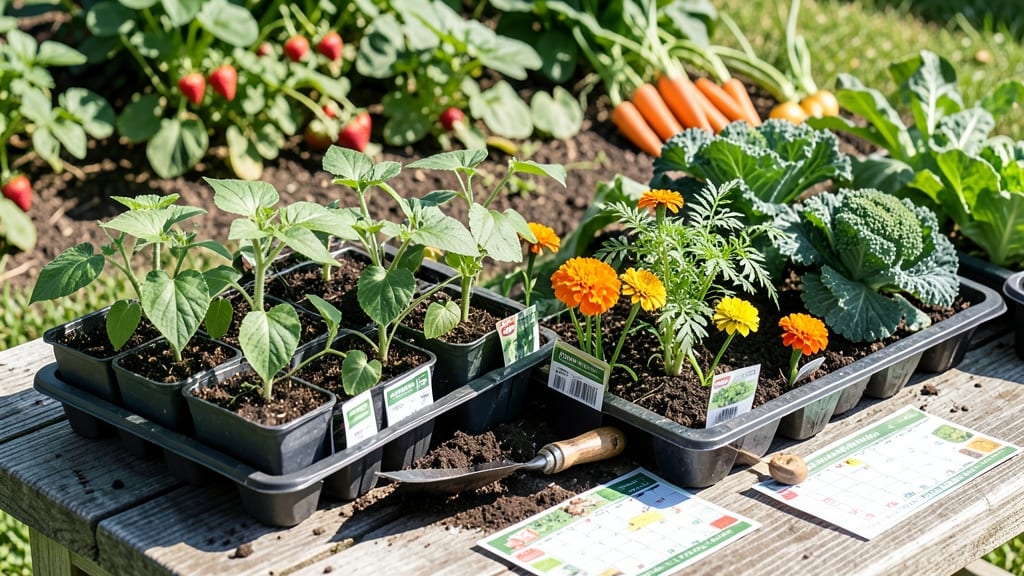
When to plant a garden in Missouri can make the difference between a bountiful harvest and wasted effort—especially when frost dates shift from St. Louis to Kansas City. Plant too soon, and a late freeze will turn your seedlings into sad, wilted memories. Wait too long, and summer’s scorching heat will leave your tomatoes struggling before they even ripen.
I’ve spent years growing 🌱 General Garden Plants in Missouri’s 5b-6a zones, and the secret isn’t just memorizing frost dates—it’s understanding how soil temperature, microclimates, and even your neighborhood’s urban heat islands play a role.
Whether you’re a first-time gardener or a veteran with a few failed experiments under your belt, knowing the exact window for planting cool-season greens versus heat-loving peppers could save you from heartbreak (and a trip to the garden center for replacements).
In this guide, I’ll break down the critical deadlines for spring and fall planting, including last-frost averages, soil prep tips, and which crops thrive when temperatures hit 90°F+. You’ll also learn how to adjust for your specific corner of Missouri—because what works in Columbia might flop in Cape Girardeau.
Ready to turn your garden dreams into reality? Let’s get started.
We’ll cover everything from when to start seeds indoors to the best heat-tolerant varieties for Missouri summers, so you can plant with confidence—and enjoy the rewards all season long. No more guessing games, just a clear roadmap to a garden that actually produces.
Missouri last-frost dates by Zone: when to plant cool-season vs. warm-season crops
Missouri’s diverse climate zones (USDA 5b-6a) create a gardening puzzle—what works in St. Louis (Zone 6a) may fail in Kansas City (Zone 5b). The key? Last-frost dates, which vary by 1-2 weeks across the state.
For most of Missouri, the average last frost falls between mid-April and early May, but northern regions can see frost as late as May 10.
Cool-season crops like lettuce and peas thrive when soil temps hit 40°F, while warm-season plants such as tomatoes and peppers need 60°F+ soil. Timing isn’t just about frost—it’s also about heat tolerance. Planting cucumbers too early in southern Missouri (Zone 7) risks bolting before harvest.
Use the USDA Plant Hardiness Zone Map to pinpoint your exact zone, then adjust planting dates by 1-2 weeks based on microclimates (e.g., urban areas warm up faster than rural spots). For example, Columbia (Zone 6a) typically plants 1 week earlier than Sedalia (Zone 5b).
| Zone | Avg. Last Frost | Cool-Season Planting | Warm-Season Planting | First Frost |
|---|---|---|---|---|
| 5b (Northeast) | April 25 | March 15 - April 10 | May 15 - June 1 | October 10 |
| 6a (Central) | April 15 | March 1 - April 1 | May 1 - May 15 | October 15 |
| 7a (Southeast) | April 5 | February 28 - March 15 | April 15 - April 30 | October 20 |
*Adjust dates 1-2 weeks earlier for urban areas or microclimates.
For spring planting, start cool-season crops 4-6 weeks before your last frost date. Harden off seedlings by mid-March in southern zones or early April in northern areas. Warm-season plants should wait until soil temps consistently stay above 60°F—use a soil thermometer to avoid guesswork.
Fall planting follows the reverse logic: sow cool-season crops (e.g., kale, radishes) 8-10 weeks before your first frost. In Missouri, this means late July to early August for most zones. Spinach and carrots can even handle light frosts, adding sweetness to their flavor!
Pro tip: Use row covers to extend your growing season by 2-3 weeks in spring or fall. For example, St. Louis gardeners can plant broccoli as early as mid-March with protection. Monitor local frost alerts via apps like Old Farmer’s Almanac for real-time adjustments.
Missouri’s fall frost-free window averages 165 days, but southern zones like Poplar Bluff (Zone 7a) can push this to 200+ days. Plan accordingly—perennials like asparagus need 2-3 years to establish roots, so start them in early spring for a long-term harvest.
Remember: Microclimates matter. A south-facing slope warms up faster than a north-facing valley, potentially shifting your planting window by 10 days. Observe your garden’s unique conditions for 3 years to refine your schedule.
For container gardening, warm-season plants like peppers can go in 2 weeks earlier than in-ground planting, as containers heat up faster. Just ensure pots have drainage holes to prevent root rot in Missouri’s humid summers.
Start your seedlings indoors 6-8 weeks before your last frost date. Use a grow light for 14-16 hours/day to
Heat-tolerant crops for Missouri summers: 10 best plants that thrive in 90°F+ weather
Missouri summers can push temperatures past 90°F, making it tricky to grow heat-sensitive plants like tomatoes or lettuce. But don’t worry—some crops thrive in this heat! These 10 heat-tolerant crops will keep your garden productive even when the mercury rises.
From okra to sweet potatoes, these plants love the sun and won’t wilt under pressure.
For St. Louis and Kansas City gardeners, timing is key. Plant these crops after Memorial Day (around mid-May) when soil temperatures consistently stay above 70°F. Many of these varieties also handle drought conditions better than traditional crops, reducing your watering workload during peak summer months.