
Plants
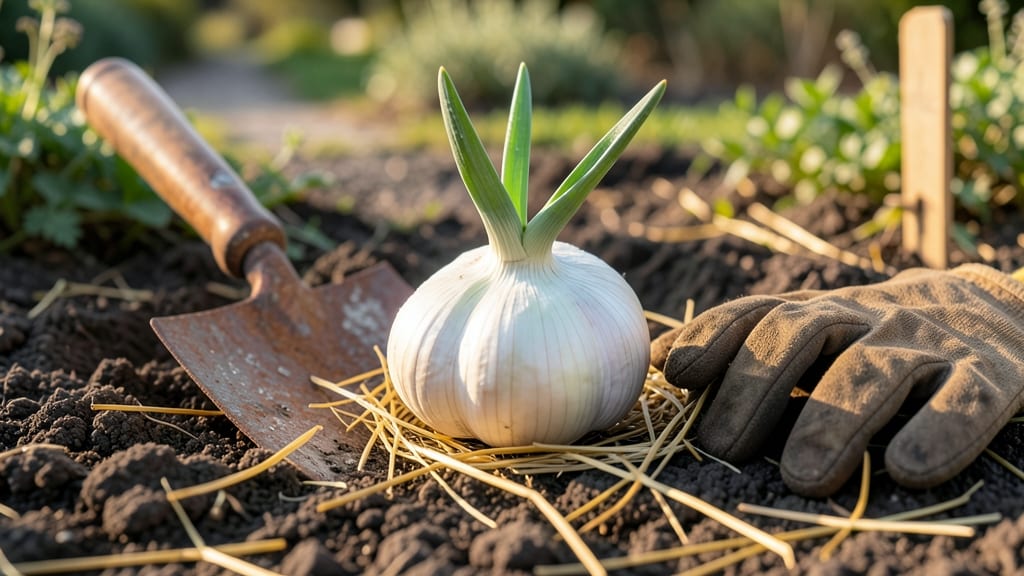
Timing your garlic🧄 planting in Zone 5 isn’t just about the calendar—it’s about matching your bulbs to the 300–500 chill hours your winter delivers. Plant too early, and you’ll get weak, underdeveloped cloves.
Too late, and frost locks them out of forming properly. The sweet spot? A crisp fall window when soil temps dip below 50°F but before the ground freezes solid.
Most Zone 5 gardeners swear by planting between October and November, but the exact date depends on your local frost patterns. If you’re in northern Zone 5, aim for early October; in southern reaches, wait until late November.
The key? Plant 4–6 weeks before the first hard frost—this gives roots time to establish before winter sets in.
Why does this matter so much? Hardneck varieties—like ‘German White’ or ‘Music’—need those cold months to form scapes and bulbs. Skip the chill, and you’ll end up with softneck garlic that’s less flavorful and stores poorly.
I’ll show you how to read your local frost dates, adjust for mild winters, and pick the perfect variety for your microclimate.
Ready to grow garlic that’s bold, plump, and packed with flavor? Let’s break down the exact steps to time your planting like a pro—no guesswork, just garlic success. Grab your gloves, and let’s get those cloves in the ground!

Zone 5 garlic planting timeline: chill-hours explained for hardneck varieties
Garlic thrives in Zone 5 when planted during its chill-hour window—a critical 300–500 hours below 40°F needed for bulb formation. Hardneck varieties, like 'Music' or 'German White', require these chilly conditions to develop properly. Planting outside this window risks small, weak bulbs or no harvest at all.
In Zone 5, aim to plant garlic 4–6 weeks before the ground freezes, typically between mid-October and early November. This timing ensures bulbs establish roots before winter dormancy.
Use your last frost date (usually mid-November in Zone 5) as your deadline—plant too late, and roots won’t anchor before freeze.
Softneck varieties (like 'Silverskin') are more flexible but still benefit from fall planting. However, they don’t require as many chill hours and can sometimes be planted in early spring if fall planting is missed. For hardnecks, though, fall planting is non-negotiable for optimal flavor and bulb size.
🌱 Zone 5 Garlic Planting Summary
| Stage | Action | Key Notes |
|---|---|---|
| Planting Window | Mid-October to early November | 4–6 weeks before ground freezes |
| Soil Temp | Below 60°F (ideal: 40–50°F) | Use a soil thermometer |
| Chill Hours | 300–500 hours below 40°F | Hardnecks only; softnecks tolerate less |
| Harvest Time | Late June to early August | Next growing season |
To pinpoint your exact planting window, check your USDA Zone 5 frost map and count backward from your average first frost date. For example, if your frost arrives on November 15, plant between October 1–15.
Pro tip: Use a soil thermometer to confirm temps are below 60°F—garlic roots won’t establish in warm soil.
Hardneck varieties need those chill hours to form scape stalks (the curly shoots) and plump bulbs. Skip the chill, and you’ll end up with small, pungent cloves or no bulbs at all. Softnecks, while more forgiving, still perform best with fall planting in Zone 5’s cooler climate.
If you’re unsure about your local chill hours, consult your state agricultural extension service or use online chill-hour calculators.
Many Zone 5 gardeners in northern states (e.g., Minnesota, Wisconsin) plant earlier (late September) to ensure enough cold, while those in southern Zone 5 (e.g., Missouri, Virginia) can wait until late October.
Once planted, mulch with 4–6 inches of straw or leaves to insulate bulbs through winter. This protects them from freeze-thaw cycles and keeps soil temps stable. Remove mulch in early spring to allow foliage to emerge—green shoots by March 1 signal successful overwintering.
Timing isn’t just about the calendar; it’s about soil conditions. Planting in dry soil or when temps fluctuate above 60°F delays root growth. Aim for cool, moist soil at planting—this sets the stage for a July harvest of robust, flavorful bulbs.
Remember: Garlic is a perennial in Zone 5, but it’s treated as an annual for harvest. Each fall, you’ll replant cloves to restart the cycle. This makes precise timing even more critical—one year’s planting determines the next year’s harvest.
How to adjust planting dates for late or early Zone 5 winters (pro tips)
Zone 5 winters aren’t one-size-fits-all, and your garlic planting dates need to adapt. A mild early spring or harsh late freeze can throw off your timeline. The key is flexibility—use soil temperature and local frost patterns to fine-tune your schedule.
For example, if your area had an unusually warm October, delay planting until soil temps drop below 50°F to prevent early sprouting. Conversely, if frost threatens early, plant sooner and rely on mulch protection.
Start by checking your local frost dates (use the USDA Plant Hardiness Zone Map) and adjust your window by 2–4 weeks if needed. For instance, in northern Zone 5, plant by late September to avoid early freezes, while southern Zone 5 gardeners can wait until early November.
The goal? Give roots 4–6 weeks to establish before winter dormancy.
Here’s a pro tip: Use a soil thermometer to confirm readiness. Plant only when soil temps are consistently 40–50°F—this ensures roots grow without sprouting too soon. If temps fluctuate, opt for hardneck varieties, which tolerate colder soils better than softnecks.
For extra insurance, cover newly planted beds with straw mulch (4–6 inches) to insulate bulbs during temperature swings.
🌱 Zone 5 Garlic Planting Adjustments
- 1. Test soil temps with a thermometer—plant when 40–50°F.
- 2. Delay planting if soil stays above 50°F for >7 days (risk of sprouting).
- 3. Use mulch (straw or leaves) to protect beds if frost threatens early.
- 4. Choose hardnecks for colder microclimates (e.g., ‘German White’).
- 5. Plant deeper (2x bulb height) in sandy soil to insulate roots.
- 6. Avoid late fall planting—soil should freeze within 6 weeks.
What if your winter was unusually mild? Don’t panic—you can still plant garlic in early December, but expect smaller bulbs. For a backup plan, try container growing: Fill pots with well-draining soil, plant cloves, and move them to a garage or cold frame during extreme cold snaps.
This buys you extra time if frost arrives early. Just remember: garlic needs cold to form bulbs, so containers won’t work for mild-winter zones.
One common mistake? Planting garlic too early in September because the soil feels warm. Resist the urge—early planting leads to premature sprouting and weak roots. Instead, mark your calendar for October 15–November 15 as your target window, then adjust based on your local weather.
For example, if your area had a late frost in November, shift planting to September 15–October 1 and use row covers for protection.
Finally, keep a planting journal to track your adjustments. Note soil temps, frost dates, and variety performance each year. Over time, you’ll refine your timeline to match your microclimate—leading to larger, healthier garlic bulbs every season. With these tips, you’ll never miss the window again! 🌱