
Plants
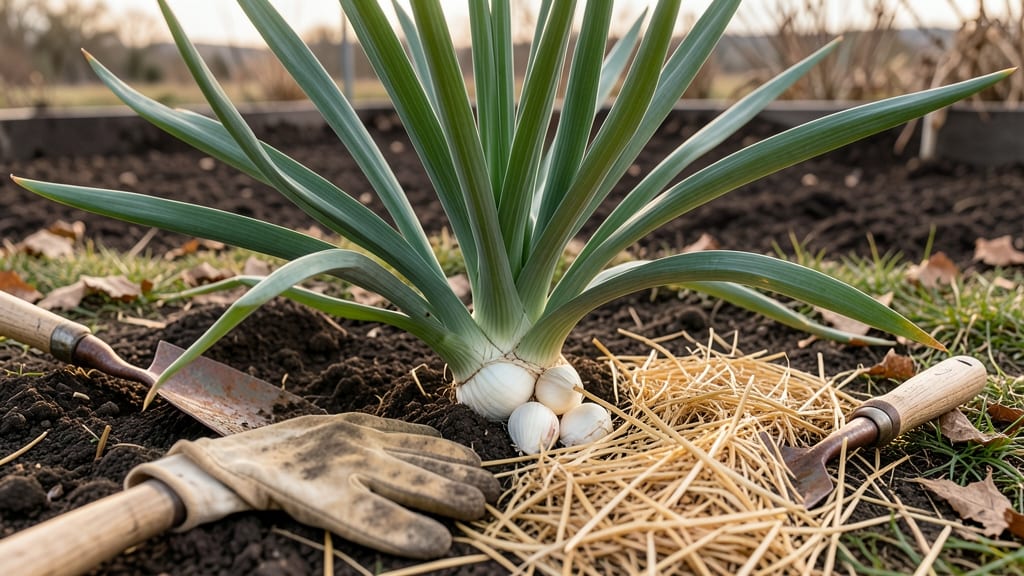
If you’ve ever planted garlic in Zone 10 only to watch it bolt into flower stalks before forming bulbs, you’re not alone. The key to success here isn’t just timing—it’s understanding how coastal and inland microclimates demand different strategies to avoid that frustrating waste.
Here’s the truth: Zone 10’s mild winters mean garlic thrives as a winter crop, but inland areas need earlier planting than coastal spots. Get it wrong, and you’ll end up with tiny bulbs or no harvest at all.
I’ll show you exactly when to plant—from October through January—for the biggest, boldest 🧄 bulbs possible.
We’ll also cover soil prep tricks and variety choices that keep bolting at bay, so you can enjoy a harvest from June to August without the guesswork. Ready to grow garlic the right way?
Let’s dive into the perfect planting schedule for your specific Zone 10 climate—whether you’re near the coast or tucked inland.

Optimal Zone 10 garlic planting dates by microclimate (coastal vs inland)
Zone 10’s mild winters and unpredictable springs make garlic planting a balancing act. Coastal areas like San Diego stay warm year-round, while inland spots like Riverside can drop into the 40s°F at night.
These differences mean your planting window must shift based on where you live—get it wrong, and your garlic bolts before forming bulbs.
For coastal Zone 10, aim to plant garlic between late October and mid-November. The soil stays warm enough to avoid dormancy, but cool enough to prevent early bolting.
Inland areas, however, need a 2-4 week earlier start—mid-September to October—to account for colder nights that trigger proper bulb development.
Here’s the key difference: Coastal garlic grows faster due to consistent warmth, while inland garlic needs that cold snap to signal bulb formation. Both regions share one critical rule—never plant after December, or you risk spring bolting before harvest.
Soil temperature is your best guide. Garlic cloves need soil between 50°F and 60°F to sprout without bolting. Use a soil thermometer to confirm—coastal areas hit this zone by late October, while inland spots may need to wait until November.
Hardneck varieties like Rocambole or German White thrive inland where cold nights trigger bulb formation, while softneck types (e.g., California Early) suit coastal gardens with their milder winters. Pro tip: Save seeds from your best bulbs—local varieties adapt faster to your microclimate over time.
Timing isn’t just about months—it’s about day length. Garlic needs 12–14 hours of daylight to form bulbs. Coastal areas hit this by late October, while inland spots may need to wait until November. Use a planting calendar aligned to your local sunset times for precision.
For coastal gardeners, extend your window by planting half your cloves in October and the rest in November. This staggered approach ensures a longer harvest season. Inland gardeners should prioritize September plantings—delaying risks bolting before bulbs mature.
One common mistake? Ignoring spring warming trends. Zone 10’s springs heat up faster than northern zones. If your garlic shoots appear by February, it’s a red flag—you’ve likely planted too late. Adjust next year by shifting 2 weeks earlier.
Finally, test your soil before planting. Zone 10 soils often lack organic matter, which speeds up warming. Amend with compost to slow soil temperature spikes—this buys you 2–3 extra weeks before bolting risk kicks in.
Optimal Zone 10 garlic planting dates by microclimate (coastal vs inland)
Zone 10’s coastal and inland areas have wildly different garlic-growing seasons. Coastal regions like San Diego stay mild year-round, while inland spots like Palm Springs experience cooler nights—both need precise timing to avoid bolting.
The key is planting when soil temps hit 60-65°F and days shorten, signaling garlic to focus on bulbs instead of flowers.
For coastal Zone 10, your window is narrower: aim for mid-November to early January. The ocean’s moderating effect keeps winters too warm for ideal bulb development, so late fall planting ensures roots establish before spring warmth triggers bolting.
Inland areas, however, can plant earlier—September to December—thanks to cooler nights that mimic traditional garlic-growing climates.
🌱 Did You Know?
Hardneck varieties like ‘German Red’ thrive inland, where cooler nights encourage scape production. Softnecks such as ‘Silverskin’ suit coastal areas, where mild winters prevent bolting. Always plant cloves pointy-side up, 2 inches deep and 4-6 inches apart, in well-draining soil amended with compost.
Mulch heavily with straw to retain moisture and insulate roots—critical in Zone 10’s unpredictable springs.
Your harvest window spans June to August, but coastal garlic matures 4-6 weeks earlier than inland. Watch for lower leaves turning yellow while upper leaves stay green—a sure sign bulbs are ready.
Dig carefully to avoid damaging skins, then cure in a dry, shaded spot for 2-3 weeks before storing.
Pro tip: Plant a test row in late October to gauge your microclimate’s ideal timing. If scapes appear by March, you planted too early; if leaves stay green past May, you’re golden.
Zone 10 garlic grows best with consistent moisture but hates soggy soil—aim for 1 inch of water weekly during fall/winter.
For a foolproof harvest, pair your planting date with soil tests (pH 6.0-7.0) and shade cloth in late winter to slow spring warming. With these tweaks, you’ll bypass bolting and enjoy plump, flavorful bulbs year after year—no matter where you garden in Zone 10. 🌿