
Plants
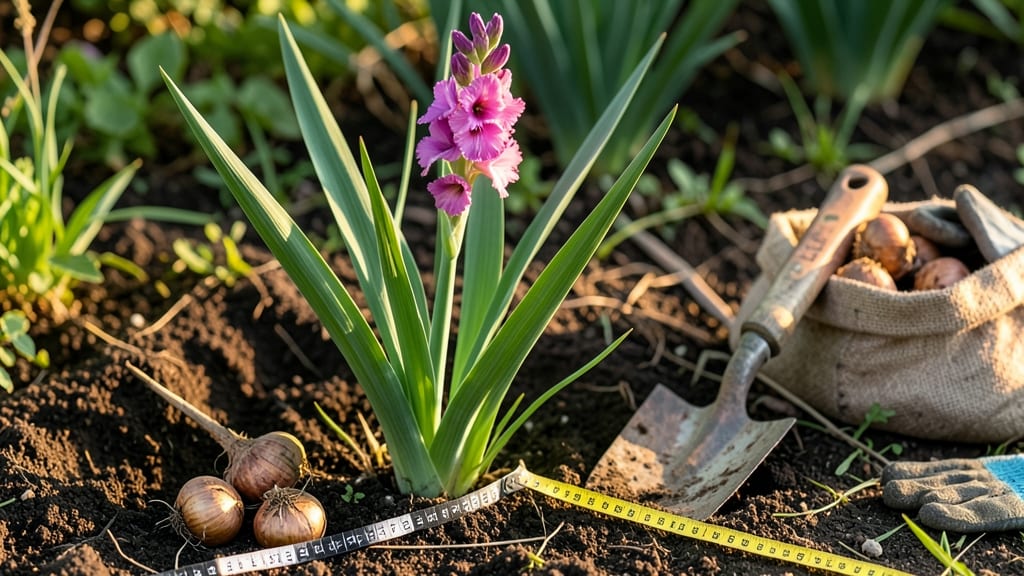
Timing when to plant gladiolus bulbs in Connecticut perfectly is the secret to those jaw-dropping summer blooms—and getting it wrong could mean frost damage or missed growth.
With Connecticut's 6a zone climate, you've got just a narrow window between late April and early June to plant these tall beauties before summer heat sets in.
I've seen firsthand how a few weeks can make all the difference between thriving 4-foot stalks and struggling plants. The key is waiting until after your last frost date—typically around April 15—when soil temperatures reach at least 60°F.
This timing ensures your bulbs get the warm start they need to establish strong roots before summer's full force arrives.
What makes Connecticut gardening tricky is our microclimates—coastal areas warm up faster than inland spots. That means your neighbor might be planting in early May while you still need to wait until early June.
Let me show you exactly how to read your local frost patterns and adjust your planting schedule for maximum success.
We'll cover everything from soil prep to the perfect planting depth, plus how to protect your gladiolus from Connecticut's unpredictable spring weather. By the end, you'll have a clear checklist to time your planting perfectly and get those stunning blooms from July through September.
Connecticut gladiolus planting timeline by hardiness Zone (5-7) for peak blooms
Planting gladiolus bulbs in Connecticut requires precise timing to avoid late frosts and ensure bold summer blooms. With CT spanning USDA Zones 5-7, your planting window varies by microclimate—coastal areas warm faster than inland zones.
Let’s break down the exact frost-free deadlines and soil temperature thresholds for each zone to maximize your success.
Gladiolus bulbs thrive when soil temperatures reach at least 55°F (13°C). In Connecticut, this typically occurs between late April and early May, but coastal areas like New London may hit this threshold 1-2 weeks earlier than inland zones like Hartford.
Always plant 4-6 weeks after your last frost date to give young shoots time to establish before summer heat arrives.
Missed the spring window? You can still plant gladiolus in early June for late-summer blooms, though flowers may be smaller. The key is ensuring bulbs have at least 8-10 weeks of growth before the first frost—typically mid-October in CT.
Use this timeline to align your planting with your local zone’s frost risk.
For Zone 5 gardens in northern CT, like Waterbury, hold off until late May to avoid frost damage. In Zone 6 (e.g., Hartford), you can start as early as late April if your soil is workable.
Use a soil thermometer to confirm temperatures—gladiolus bulbs won’t sprout until the ground reaches 55°F (13°C) consistently.
Pro tip: Plant gladiolus corms 4-6 inches deep and 4-6 inches apart in well-draining soil. Add a 2-inch layer of compost to the planting hole to boost early root growth.
In Zone 7 or coastal areas, you can even experiment with early April plantings if you use row covers to protect young shoots.
Remember, gladiolus bulbs are not frost-tolerant, so never plant before your last frost date—even if the soil feels warm. Use your local Cooperative Extension Service (e.g., UConn Home & Garden Education Center) for hyper-local frost data.
Their frost-free date maps are updated annually and account for CT’s unpredictable spring weather patterns.
Once planted, gladiolus will reward you with 6-8 weeks of vibrant blooms from July to September, depending on your planting time. For extended flowering, stagger plantings every 2-3 weeks—this ensures a continuous display of pink, purple, red, or
5 Critical factors that determine your gladiolus planting window in CT
Connecticut’s diverse microclimates—from coastal Zone 6b to inland Zone 5a—mean your gladiolus planting window can shift by weeks. Understanding these 5 key factors will help you pinpoint the perfect time for your garden.
First, last frost dates are your anchor. In CT, they range from April 15 in southern zones to May 15 in northern areas. Planting 4-6 weeks after this date ensures bulbs won’t freeze.
Next, soil temperature matters more than air temperature. Gladiolus bulbs need soil at 60°F (15°C) or warmer to sprout. Use a soil thermometer to check—wait until readings stay consistent for 3 days.
Don’t overlook humidity levels. Coastal CT’s damp springs can delay planting. If your area has high humidity, wait until soil dries slightly after rain to reduce rot risk.
Microclimates like urban heat islands or sheltered valleys can create earlier planting opportunities. Observe your garden’s warmth patterns—south-facing beds warm faster than north-facing ones.
Finally, bulb variety plays a role. Early-blooming varieties like ‘Picasso’ can handle slightly cooler soil, while late varieties like ‘Green Star’ need warmer conditions to thrive.
Last Frost Date
Plant 4-6 weeks after your area’s last frost (April 15–May 15 in CT).
Soil Temperature
Wait until soil reaches 60°F (15°C)—use a thermometer for accuracy.
Humidity Levels
High humidity? Plant when soil dries slightly after rain to prevent rot.
Microclimates
South-facing beds warm faster—plant 1-2 weeks earlier in these spots.
Bulb Variety
Early bloomers like ‘Picasso’ tolerate cooler soil; late varieties need warmth.
Pro tip: Track your garden’s local frost history for 3 years to refine your planting schedule. CT’s unpredictable spring weather means flexibility is key—always have mulch ready to protect young shoots.
Adjusting for these factors ensures your gladiolus bulbs get the perfect start, leading to bold summer blooms that steal the show. Happy planting! 🌸