
Plants
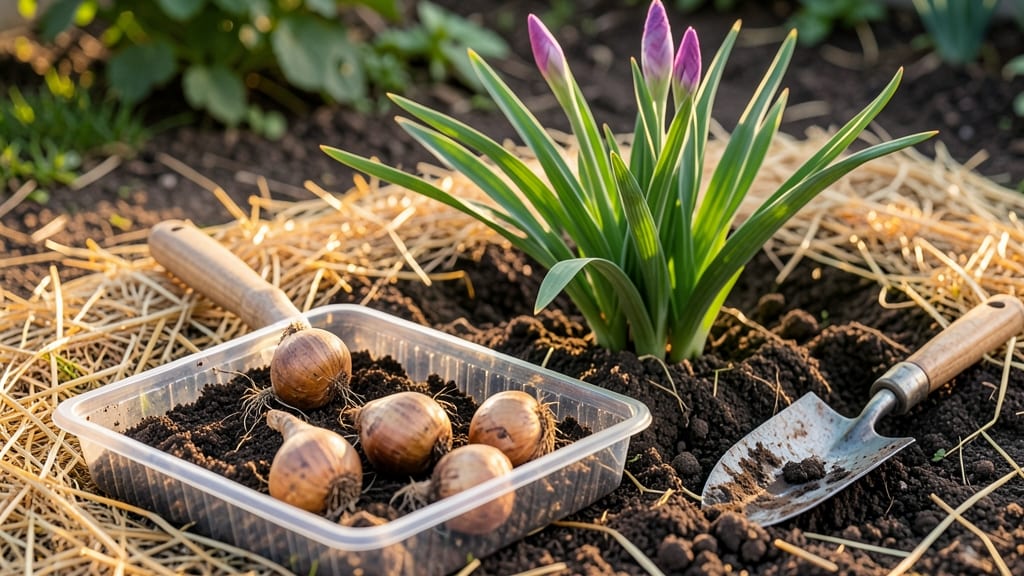
Planting your gladiolus bulbs at the wrong time in the UK can mean the difference between a show-stopping summer display and a sad, wilted disappointment. The key to those bold, tall blooms 🌸 isn't just luck—it's getting the timing right, and most gardeners miss the window by weeks.
In the UK's 8a climate, where last frosts linger into mid-May, planting too early risks your bulbs rotting in cold soil, while waiting too long cuts your bloom time short.
I've seen firsthand how a 4-6 week window after the last frost transforms a struggling patch into a garden highlight.
Whether you're in sunny Cornwall or the cooler Midlands, the exact weeks matter more than you might think. We'll break down the perfect planting schedule, soil prep secrets, and how to protect your gladiolus from unexpected late frosts—so you can enjoy those dramatic spikes of color from July through September.
Ready to turn your garden into a summer spectacle? Let's dive into the exact timing and care tips that'll have your gladiolus thriving when the rest of your neighbors' are still waiting for blooms.
UK gladiolus planting timeline: exact weeks before last frost by region
Getting your gladiolus bulbs in the ground at the right time is everything—especially in the UK’s unpredictable climate. Unlike Mediterranean regions, our cooler springs and variable frost dates demand precision. Plant too early, and frost will damage tender shoots; too late, and you’ll miss the summer bloom window entirely.
The key? Time your planting 4-6 weeks after your last frost date, adjusted by region.
Most UK gardeners assume a one-size-fits-all approach, but frost dates vary by 3-4 weeks from the south coast to Scotland. For example, London and the Southeast typically see their last frost around mid-April, while Northern England and Scotland can experience frost well into early June.
This means your ideal planting window shifts from late April in the South to early June in the North.
Here’s the regional breakdown you need to nail your timing—plus soil temperature thresholds to avoid common pitfalls like rotting corms or stunted growth.
Pro tip: Use a soil thermometer to confirm your soil has warmed to the minimum threshold before planting. Gladiolus bulbs rot if planted in cold, soggy soil. Aim for consistent daytime temps above 12°C (54°F)—this ensures roots establish quickly and shoots emerge strong.
If you’re in doubt about your local frost date, check the Met Office’s historical data for your postcode. For example, Cornwall averages its last frost by March 20th, while Glasgow often sees frost until May 15th.
Adjust your timeline accordingly, and don’t rush—gladiolus bulbs planted in cold soil will fail to thrive.
For gardeners in cooler microclimates (e.g., urban areas with late frosts or shaded spots), consider starting bulbs indoors 4-6 weeks before outdoor planting. Use biodegradable pots to transplant directly into the ground after the last frost. This trick extends your bloom season by 2-3 weeks in marginal zones.
Once you’ve nailed the timing, focus on well-draining soil and a sunny, sheltered spot. Gladiolus are sun worshippers—they need at least 6 hours of direct sunlight daily to produce those show-stopping spikes. Pair your planting with a balanced fertilizer (10-10-10) to fuel rapid growth once shoots appear.
Remember: The earlier you plant within your region’s window, the longer your blooms will last. But don’t plant before your soil warms—patience beats haste with gladiolus.
Mark your calendar for 4-6 weeks after your last frost date, and you’ll be rewarded with bold summer blooms that turn heads at every garden party.
5 Critical factors that determine perfect gladiolus planting time in UK climates
Getting your gladiolus bulbs in the ground at the right time isn't just about checking a calendar—it's about understanding how soil temperature, daylight hours, and even your local microclimate work together.
In the UK's variable climate, where frost can linger into May, these five factors make all the difference between vibrant blooms and a flop.
First, soil temperature is your biggest clue. Gladiolus bulbs need soil that's warmed to at least 10°C (50°F). In most UK regions, this happens 4-6 weeks after the last frost, which is typically mid-April to early May.
Use a soil thermometer to check—if it's cooler, wait a few more days to avoid rotting bulbs.
Next, daylight hours play a surprising role. Gladiolus thrive with 12+ hours of daylight, which means planting too early (when days are shorter) can delay blooming.
Aim for late April to early June when days are lengthening, giving your plants the light they need to grow strong stems and abundant flowers.
Don't overlook your local microclimate. A sheltered spot in Cornwall might be frost-free by early April, while a cold snap in the Scottish Borders could delay planting until June. Observe your garden's patterns—note where frost lingers longest and adjust your timeline accordingly.
The size of your bulbs also affects timing. Larger gladiolus corms (3-4 inches in diameter) can handle slightly cooler soil and may be planted a week earlier than smaller ones. If you're using smaller bulbs, wait until the soil is consistently warm to avoid rot.
Finally, moisture levels matter. Planting in soggy soil after heavy rains can suffocate bulbs, while dry soil can stress them. Aim for well-draining soil that's moist but not waterlogged. If your garden holds water, raise your beds or plant on a slope to improve drainage.
Balancing these factors ensures your gladiolus get the perfect start—so you can enjoy those dramatic summer blooms from July to September without a hitch. 🌸