
Plants
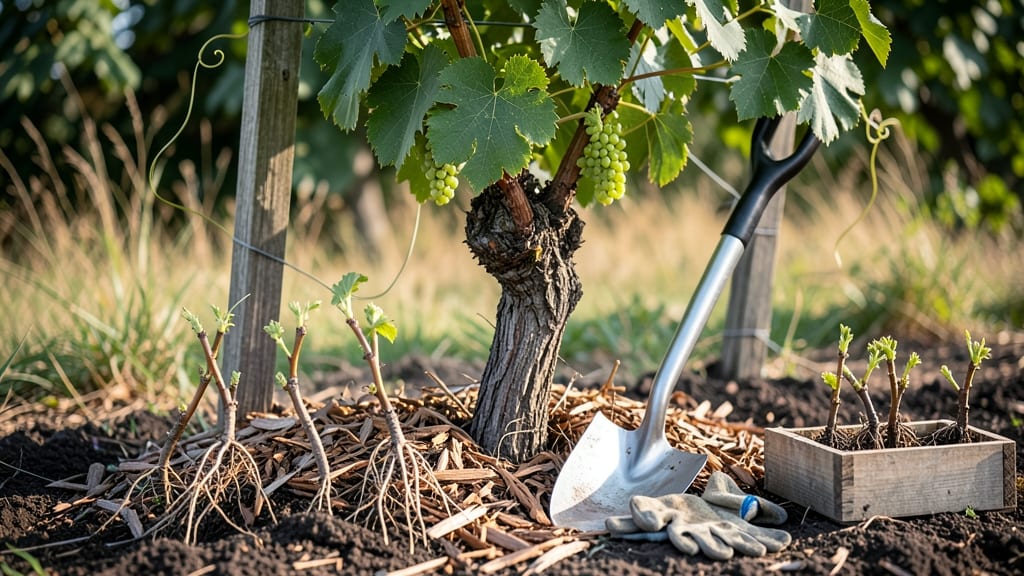
Timing your 🍇 grapes planting in Arizona isn’t just about the calendar—it’s about beating the heat and dodging frost. Plant too early, and a late freeze could wipe out your vines; too late, and they’ll struggle under the desert sun’s intensity.
The key? A precise window between November and February when temperatures are cool but frost risks are low.
Most Arizona growers swear by late fall or early winter as the sweet spot, but your exact timing depends on your microclimate.
Whether you’re in Phoenix’s scorching Low Desert or Prescott’s slightly cooler High Desert, knowing when to plant can mean the difference between a thriving vineyard and a failed harvest. Let’s break down the science-backed schedule that works for USDA Zone 9b.
You’ll also discover how to pick the right grape varieties for your heat zone—some handle 110°F+ temperatures like champions, while others need extra shade. Plus, I’ll share my top tips for soil prep, irrigation, and mulching to give your vines the best shot at survival in Arizona’s unpredictable climate.
Ready to grow homegrown grapes that rival commercial vineyards? This guide cuts through the guesswork so you can plant with confidence—and enjoy that first harvest from May to September.
Optimal planting windows for Arizona’s 3 heat zones
Arizona’s diverse climate—from the scorching Low Desert to the cooler High Desert—means your planting window depends on where you live. The key is planting when frost risk fades but before summer’s brutal heat sets in.
For most of Arizona, this means November through February, but let’s break it down by region to avoid costly mistakes.
In the Low Desert (Phoenix/Tucson), where temperatures rarely dip below freezing, you can plant year-round, but the best months are November to February. This gives vines time to establish roots before the 100°F+ summers.
Meanwhile, the Mid Desert (Prescott) has harder frosts, so aim for late February to early April to avoid late-season freezes.
The High Desert (Flagstaff) is trickier—its shorter growing season and colder winters mean you must plant bare-root vines in early spring (March-April) or late fall (October-November) before the first frost hits. Timing here is critical, as vines need 60-90 frost-free days to mature.
🌱
| Region | Best Planting Window | Frost Risk | Heat Tolerance Threshold |
|---|---|---|---|
| Low Desert (Phoenix/Tucson) | November–February | Low (rare frost) | 110°F+ (needs shade) |
| Mid Desert (Prescott) | Late February–Early April | Moderate (late frosts) | 100°F (drought-tolerant) |
| High Desert (Flagstaff) | March–April or October–November | High (first frost Dec 15) | 90°F (cool-climate varieties) |
If you’re in the Low Desert, avoid planting in summer (May-September)—the heat will shock young vines. Instead, opt for bare-root vines in winter when soil temps are cooler.
For the Mid and High Desert, soil temperature is your best guide: aim for 50–60°F at planting time to encourage root growth.
Pro tip: Use a soil thermometer to check temps before planting. If the ground is still below 50°F, wait a few weeks—your vines will thank you with stronger roots and bigger harvests.
In Phoenix, for example, soil temps hit ideal planting ranges in late November, while Flagstaff waits until late April.
Another critical factor is monsoon season (July-September). Planting during this time risks waterlogged soil and fungal diseases. Stick to the dry winter months for the safest, most reliable establishment. Even in the Low Desert, monsoon rains can bring sudden downpours that drown young vines.
For container-growing grapes in Arizona’s urban areas, you have more flexibility. Pots can be moved to shaded spots in summer and returned to full sun in cooler months. However, even containers need well-draining soil to prevent root rot—a common issue in Arizona’s calcareous soils.
💧
Once you’ve picked your planting window, the next step is variety selection. Not all grapes handle Arizona’s heat equally. For example, Flame Seedless thrives in the Low Desert, while Concord does better in cooler High Desert areas.
We’ll dive deeper into the best heat-resistant varieties in the next section, but for now, remember: timing + variety = success.
Finally, don’t forget to mulch heavily after planting. A 4-inch layer of straw or wood chips keeps roots cool in summer and retains moisture—a lifesaver in Arizona’s 110°F+ heat. This simple step can mean the difference between a thriving vine and a struggling one.
Optimal planting windows for Arizona’s 3 heat zones
Arizona’s three distinct heat zones create wildly different planting windows for grapes. The Low Desert (Phoenix/Tucson) has the shortest frost-free season, while the High Desert (Flagstaff) offers a longer growing window but cooler nights.
Timing your plantings to these zones can mean the difference between a thriving vineyard and a failed crop.
For Low Desert growers, the critical window is November 15 to January 15, when temperatures average between 50°F and 70°F. This zone’s extreme summer heat makes spring planting risky, while late winter offers the best balance of moisture and cooler air.
In contrast, Mid Desert (Prescott) can extend planting until February 15 thanks to its slightly cooler climate.
🌡️ Arizona Heat Zones: Planting Windows
| Zone | Best Planting Window | Key Considerations | Frost Risk |
|---|---|---|---|
| Low Desert (Phoenix/Tucson) | November 15 - January 15 | Extreme summer heat; needs winter dormancy | Low (after Jan 15) |
| Mid Desert (Prescott) | November 1 - February 15 | Cooler nights; extended growing season | Moderate (Dec-Feb) |
| High Desert (Flagstaff) | March 1 - April 15 | Cooler temps; longer frost-free period | High (Oct-Apr) |
🌱 Pro Tip: Use local frost date data from the National Weather Service to fine-tune your planting schedule.
The High Desert’s unique advantage is its ability to plant as late as March 15, thanks to cooler spring temperatures. However, this zone requires cold-hardy varieties like Concord or Niagara to survive occasional late frosts.
No matter your zone, always plant dormant bare-root vines—never potted plants—to avoid transplant shock in Arizona’s intense sun.
Another critical factor is soil temperature. Grapes won’t thrive if planted in soil colder than 50°F. Use a soil thermometer to confirm readiness, especially in cooler High Desert areas. For Low Desert growers, November planting gives vines time to establish roots before summer’s brutal heat arrives.
Remember: Monsoon season (July-September) is the worst time to plant grapes anywhere in Arizona. The sudden downpours and fungal risks make this period deadly for young vines. Instead, align your planting with cooler, drier months when moisture is consistent but not excessive.
Finally, consider your microclimate. Even within Phoenix, some areas near mountains stay cooler longer. Observe your yard’s heat patterns for a week before planting—if your spot gets hotter than 90°F by midday, prioritize shade cloth or mulching to protect young vines during their first critical months.