
Companion Plants
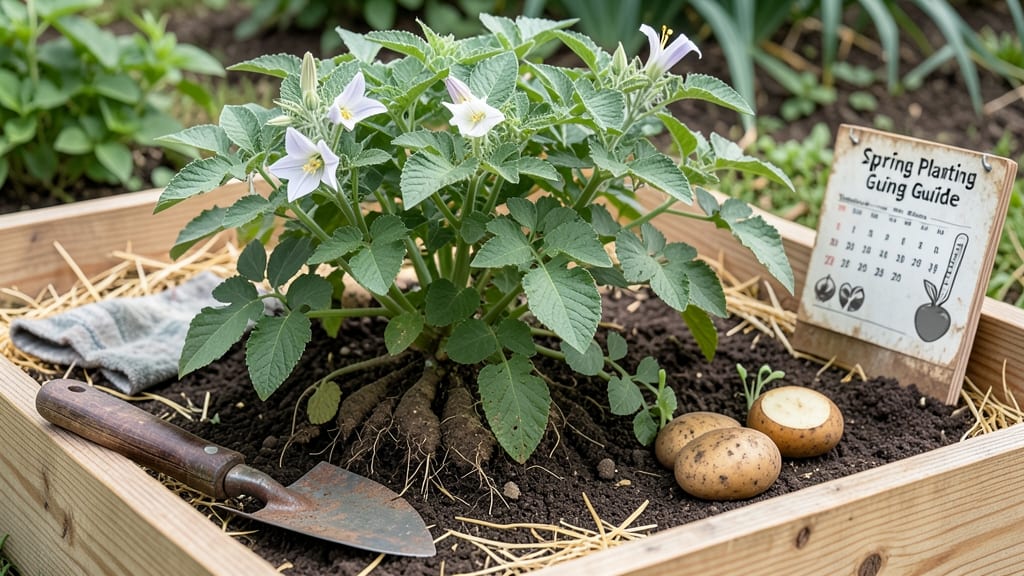
Timing when can I plant potatoes in Zone 7 isn’t just about checking a calendar—it's about dodging fungal nightmares like potato scab and locking in a harvest that'll make your neighbors jealous. One wrong move, and you're staring at a garden full of shriveled tubers instead of dinner-worthy spuds.
I’ve planted potatoes in Zone 7 for years, and the difference between a 50-pound haul and a 5-pound disappointment often comes down to 2-4 weeks of perfect timing.
Whether you're dealing with a chilly valley microclimate or a warm urban pocket, knowing when to stick those seed potatoes in the ground is the secret weapon.
Here’s the game-changer: soil temperature matters more than frost dates. We’re talking 40-50°F ranges and signs like crocuses blooming or last year’s leaves finally breaking down. Miss these cues, and you might as well be planting in a science experiment gone wrong.
Ready to turn your Zone 7 garden into a potato powerhouse? Let’s break down the exact windows—early spring, late winter, even fall options—and how to tweak your schedule based on whether you’re in Virginia’s Piedmont or Tennessee’s Smoky Mountain foothills.

Optimal planting windows in Zone 7 to avoid potato scab
In Zone 7, potatoes thrive when planted during two key windows: early spring (February-March) or late winter (January-February). These timelines ensure your soil reaches the ideal 40-50°F temperature—critical for preventing potato scab, a fungal disease that thrives in warmer, dry conditions.
Planting too early risks frost damage, while late planting may lead to poor tuber formation before summer heat sets in.
For most of Zone 7, aim to plant 2-4 weeks before your last frost date (typically around March 15). This gives tubers time to establish roots before the soil warms.
However, if you’re in a cooler microclimate (like higher elevations in Virginia), you may need to wait until mid-March to avoid frost risks.
A lesser-known option is fall planting (September-October) for early harvests the following spring. This works best in warmer parts of Zone 7 (e.g., northern Alabama or Tennessee) where winters are mild. Fall-planted potatoes need 60-90 days to mature before the first frost, so time your variety accordingly.
Soil temperature is your best guide—not the calendar. Use a soil thermometer to confirm the ground is consistently 45°F+ at a 4-inch depth. In urban areas, soil warms faster than rural spots due to pavement heat, so you might plant 1-2 weeks earlier in cities like Raleigh or Richmond.
Here’s how Zone 7’s frost-free days (about 180 days) influence your planting strategy:
- Early spring plantings (Feb-March) yield summer harvests (June-July).
- Fall plantings (Sept-Oct) produce spring harvests (April-May).
- Avoid planting after April unless you’re using fast-maturing varieties (like ‘Yukon Gold’), as summer heat stresses tubers.
Pro tip: In Zone 7’s transitional months (April-May), opt for hill planting to protect tubers from late frosts. Mound soil around stems as plants grow to insulate them and prevent green potato toxicity from sunlight exposure.
Zone 7 Potato Planting Comparison
| Planting Window | Soil Temp Goal | Frost Risk | Harvest Window | Best Varieties |
|---|---|---|---|---|
| Late Winter (Jan-Feb) | 40-45°F | High (plant in containers if needed) | June-July | ‘Red LaSoda’, ‘Kennebec’ |
| Early Spring (Feb-Mar) | 45-50°F | Moderate (after last frost) | May-July | ‘Yukon Gold’, ‘Russet’ |
| Fall (Sept-Oct) | 50-55°F | Low (harvest before frost) | April-May | ‘Adirondack Red’, ‘Purple Viking’ |
*Adjust dates 1-2 weeks earlier for urban microclimates or later for rural highlands.
If you’re unsure about your local frost dates, check the USDA Plant Hardiness Zone Map and your nearest Cooperative Extension Service for hyper-local advice. For example, in Asheville, NC (Zone 7b), plant 2 weeks later than in Charlottesville, VA (Zone 7a) due to cooler nights.
For container gardening, plant 4-6 weeks earlier than in-ground potatoes, as pots warm up faster. Use black plastic pots to absorb sunlight and speed up soil heating. Just ensure containers have drainage holes to prevent waterlogged soil, which invites rot.
Finally, rotate your planting locations yearly to prevent soil-borne diseases. Potatoes are heavy feeders, so amend your soil with compost or aged manure before planting. Aim for a pH of 5.0-6.5—too alkaline, and you’ll risk potato scab; too acidic, and nutrients like phosphorus become locked away.
Optimal planting windows in Zone 7 to avoid potato scab
In Zone 7, your potato planting schedule hinges on two critical factors: soil temperature and frost risk. Aim to plant when soil reaches 40-50°F—this ensures tubers sprout without rotting.
The last frost date (around March 15) is just one piece of the puzzle; microclimates can shift your timeline by weeks.
For early potatoes, start planting 2-4 weeks before your last frost. In most of Zone 7, this means late February to early March. If you’re in cooler microclimates (like higher elevations in Virginia), push back to mid-March.
Warm microclimates (e.g., urban heat islands) may allow January planting for a head start.
🌱Pro Tip: Use a soil thermometer to confirm readiness. If soil is below 40°F, wait—cold soil slows sprouting and invites rot. In Zone 7, this often aligns with crocus blooms (a natural indicator).
| Planting Window | Soil Temp | Frost Risk | Best For |
|---|---|---|---|
| Late Winter (Jan-Feb) | 45-50°F | High (pre-frost) | Early harvests, warm microclimates |
| Early Spring (Feb-Mar) | 40-45°F | Moderate (post-frost) | Main crop, cooler areas |
| Fall (Oct-Nov) | 50-55°F | Low (pre-first frost) | Short-season varieties |
Fall planting is a Zone 7 specialty. For late-season varieties, plant 8-10 weeks before your first frost (typically October-November). This lets tubers mature before winter. Use red or purple potatoes—they handle cooler soils better than russets.
🌿Warning: Avoid planting when soil is above 60°F—this triggers potato scab, a fungal disease that ruins harvests. In Zone 7, this usually means skipping April-May unless you’re growing in shade cloth or raised beds with afternoon shade.
For urban gardeners, container planting extends flexibility. Use black plastic pots to warm soil faster—ideal for January-February starts. Just ensure pots have drainage holes to prevent waterlogged tubers. In rural areas, in-ground planting benefits from mulching with straw to stabilize soil temps.