
Plants
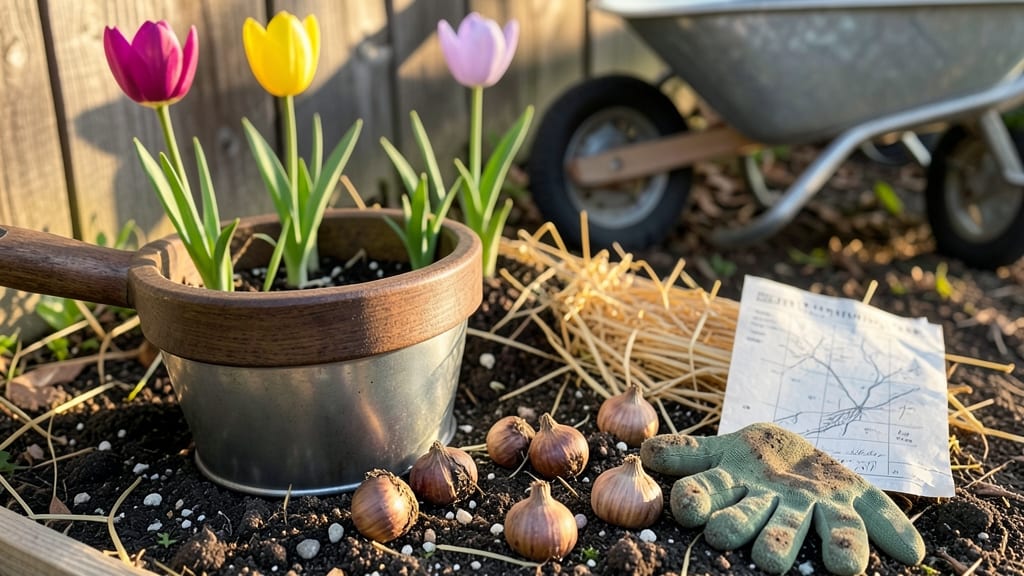
Planting tulip bulbs in California at the wrong time can mean the difference between a stunning spring display and a sad, frost-damaged disappointment. With USDA Zones 9-10 and microclimates that shift from coastal chill to inland warmth, timing isn't just about the calendar—it's about reading your local conditions.
If you've ever wondered why some gardeners get vibrant blooms while others struggle, the answer often lies in when they planted. For California's diverse regions, the ideal window stretches from October to December in cooler northern areas, but shifts later for warmer southern zones.
The key? Planting when soil temperatures drop below 60°F—a critical threshold most gardeners overlook.
In this guide, I'll break down exactly when to plant based on your specific microclimate, from coastal Zone 10 areas to inland Zone 9 spots. You'll learn how to avoid common mistakes that waste bulbs, plus soil prep tips that make all the difference for spring blooms.
Ready to transform your fall planting into next year's showstopper? Let's get those 🌷 bulbs in the ground at the perfect moment—no guesswork required.
California’s best tulip planting weeks by microclimate Zone (avoid frost risk)
California’s three distinct microclimates—coastal, Central Valley, and desert—create wildly different tulip planting windows. Coastal areas like San Francisco (Zone 10) can plant as late as January, while inland Sacramento (Zone 9) must plant by December 15 to avoid frost.
Even a 1-2 week miscalculation can mean frost-damaged bulbs or no blooms at all.
Your last frost date is the golden rule: tulip bulbs need 6-8 weeks of cool soil (60°F or below) to root before spring growth. In Northern California, this means planting in October-November, while Southern California gardeners can wait until November-December.
Let’s break it down by region to ensure your bulbs thrive.
⚠️ NON-NEGOTIABLE: Never plant tulips in summer heat—they’ll rot before sprouting. And avoid early fall planting in hot zones; bulbs need cool soil to establish roots.
🌷 California Tulip Planting Windows by Zone
| Region | USDA Zone | Best Planting Window | Soil Temp Threshold | Frost Risk Period |
|---|---|---|---|---|
| Northern CA (Redding, Lake Tahoe) | 7-8 | October 15 - November 15 | 60°F or below | November 15 - March 15 |
| Central CA (Sacramento, San Francisco) | 9-10 | November 1 - December 15 | 55°F or below | December 1 - February 15 |
| Southern CA (Los Angeles, Palm Springs) | 10-11 | December 1 - January 15 | 50°F or below | December 15 - January 31 |
| Desert CA (Joshua Tree, Death Valley) | 10-12 | January 1 - February 15 | 45°F or below | December 20 - February 10 |
💡 Pro Tip: Use a soil thermometer to confirm temps. Bulbs need 4-6 weeks of consistent cool soil before sprouting.
If you’re in Zone 9 or 10, aim for early December planting—this gives bulbs enough time to root before January’s occasional frost.
For coastal areas, you can stretch planting into early January, but avoid late January; bulbs may not bloom until late spring or skip flowering entirely.
For high-elevation gardens (like Mount Shasta), plant 2-3 weeks earlier than your zone’s guidelines. Cold air pools in valleys, creating micro-frost pockets that can damage bulbs planted too late. Check local weather station data for your exact elevation’s frost trends.
One common mistake is assuming all of California is warm. Even Santa Barbara (Zone 10) gets light frosts in December—plant too late, and your tulips may brown before blooming.
Always verify your 10-year frost history; some inland coastal areas (like Morro Bay) have 50% frost risk in December.
To future-proof your planting, choose late-blooming varieties (like Darwin Hybrid tulips) for Southern California—they tolerate warmer winters better than early bloomers. For Northern California, prioritize early-season tulips (such as Greigii or Fosteriana) to beat spring’s heat spikes.
Remember: bulb quality matters. Plant firm, dry bulbs from reputable suppliers like Bare Root Nursery or John Scheepers. Soft or sprouting bulbs won’t survive California’s temperature swings. Store them in a cool, dark place (like a garage) until planting day.
Finally, mark your calendar for next year: set reminders 6-8 weeks before your zone’s last frost. Tulips planted at the perfect window will reward you with bold, vibrant blooms that outshine generic big-box store flowers.
5 Critical factors that determine your perfect tulip planting date (beyond the calendar)
Planting tulip bulbs in California isn't just about picking a month from a generic chart—your local conditions can shift the ideal window by weeks. The five factors below override calendar advice and ensure your bulbs thrive.
First, soil temperature is non-negotiable: tulips need soil below 60°F to root properly, which can happen as early as September in coastal areas but not until December inland.
Next, your USDA Zone matters more than latitude. For example, Zone 9 (inland valleys) plants in November-December, while Zone 10 (coastal) can start as early as October. I’ve seen gardeners in Zone 10a plant in September only to watch their bulbs rot from summer heat—don’t make that mistake.
🌱Visual Tip: Use a soil thermometer (just $10 at garden centers) to check temps before planting. Aim for 50-60°F at 6" depth—the sweet spot for root growth.
| Factor | California-Specific Guidance | Actionable Tip |
|---|---|---|
| Soil Temperature | Zone 9: Wait until soil hits 55°F (usually Nov-Dec) Zone 10: Plant when soil drops below 60°F (Sept-Oct coastal) |
Test with a thermometer at 6" depth—this is your green light. |
| Rainfall Patterns | Northern CA: Rely on winter rains (plant Nov) Southern CA: Irrigate after planting (plant Dec-Jan) |
Add 1 inch of water weekly if no rain for 2 weeks post-planting. |
| Bulb Variety | Early bloomers (e.g., 'Early Harvest'): Plant Oct-Nov Late bloomers (e.g., 'Darwin Hybrid'): Plant Nov-Dec |
Check bloom time on your bulb packet—it’s your planting deadline. |
| Elevation Adjustments | Mountains (e.g., Zone 7): Plant Sept-Oct Desert (e.g., Zone 11): Plant Dec-Jan |
Add 1 week earlier per 1,000ft elevation gain. |
| Frost Risk | Coastal: Rare after Dec 1 Inland: Possible until Jan 15 |
Plant 4-6 weeks before your area’s first frost date. |
Your bulb variety also dictates timing. Early bloomers like 'Parrot' tulips need planting by November to flower in late winter, while late varieties like 'Fosteriana' can wait until December. Always check the packet—it’s your planting contract!
Don’t overlook elevation. A garden in Sacramento (Zone 9) might plant in November, but a neighbor just 50 miles away in the Sierra foothills (Zone 7) could plant in October. Use this rule: add 1 week earlier for every 1,000 feet above sea level.
Finally, frost risk is the silent killer. Even in Zone 10, a rare December frost can damage emerging shoots. Plant 4-6 weeks before your area’s first frost date—this gives roots time to establish before winter chills arrive.
✂️Pro Tip: Use a frost calendar (free from local Cooperative Extension offices) to pinpoint your exact planting window. It’s the difference between blooms and busts!