
Plants
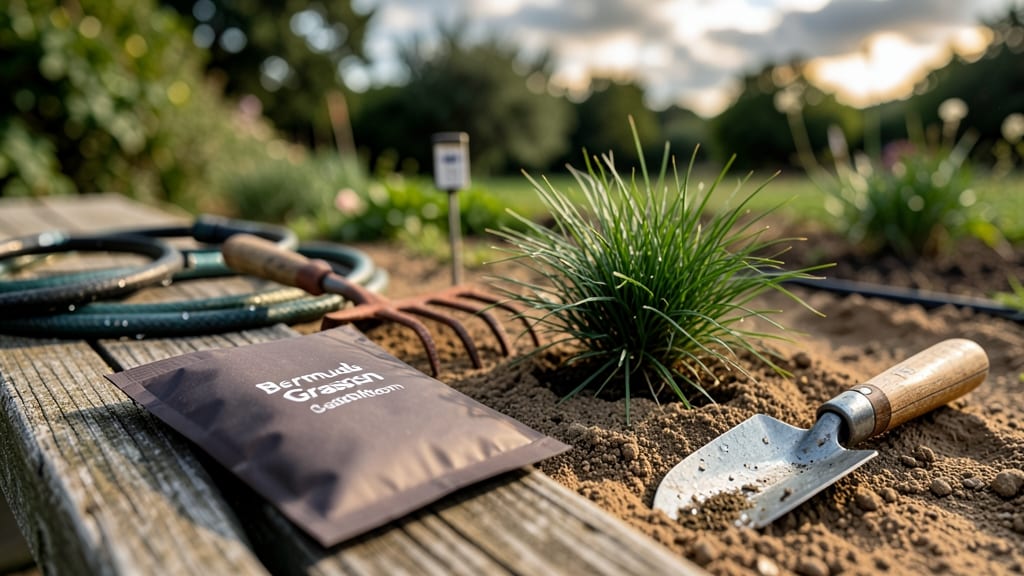
Planting Bermuda Grass seed in North Texas at the wrong time can leave your lawn struggling to take root, no matter how much you water it.
The key to a thick, green yard starts with knowing exactly when to plant—specifically those critical weeks before last frost when soil warms up just right.
For North Texas gardeners in Zone 8a, timing is everything—especially since Bermuda Grass 🌱 thrives in heat but needs stable conditions to germinate. Plant too early, and frost could wipe out your efforts. Too late, and you miss the optimal window for fast establishment before summer's intense sun arrives.
I’ll break down the precise planting schedule tailored to your region, including soil temperature thresholds and last-frost adjustments for cities like Dallas-Fort Worth and Waco. With these insights, you’ll avoid common mistakes and get your lawn off to a fast, weed-resistant start by summer.
Ready to transform your yard? Let’s dive into the exact steps to prepare your soil, choose the right planting window, and maintain your new Bermuda Grass for a lush, low-maintenance lawn all season long.
Optimal Bermuda seed planting weeks before last frost in North Texas (Zone 8a/8b)
Bermuda grass (Cynodon dactylon) thrives in North Texas' heat, but planting it at the right time ensures fast germination and dense coverage. The last frost date for most of North Texas falls around March 15, but soil warmth matters more than calendar dates.
Aim to plant 4-6 weeks before the last frost when soil temperatures consistently hit 65°F (18°C)—usually late February to early April.
In Dallas-Fort Worth, where Zone 8a/8b dominates, March is ideal for planting. For Waco and Abilene (hotter microclimates), you can push planting to late February if soil warms early. Always check local frost forecasts—a late frost can kill young seedlings.
Bermuda seed needs consistent warmth to sprout. If you plant too early and a frost hits, your seedbed will waste time recovering. Wait until soil temps stay above 65°F for at least a week before sowing. Use a soil thermometer to confirm—this small tool saves hours of guesswork.
North Texas' spring heat accelerates germination, but April planting risks summer drought stress. Seedlings struggle to establish when temperatures exceed 90°F. For best results, prioritize March planting and adjust based on your specific microclimate.
🌱
| Region | Ideal Planting Window | Soil Temp Threshold | Last Frost Date |
|---|---|---|---|
| Dallas-Fort Worth | Late March - Early April | 65°F+ (18°C) | March 15 |
| Waco | Late February - March | 65°F+ (18°C) | March 10 |
| Abilene | Early March - Mid-April | 65°F+ (18°C) | March 20 |
Urban areas like Plano or Arlington may experience microclimate delays due to concrete heat absorption. If your yard stays cooler, wait until soil temps hit 70°F (21°C) for faster germination. Rural areas often warm quicker—monitor your specific seedbed conditions rather than relying on regional averages.
For fastest establishment, plant 4-6 weeks before peak summer heat. This gives seedlings time to develop roots before facing 90°F+ temperatures. In North Texas, this typically means late March to early April for most homeowners.
Adjust based on your yard's sun exposure—south-facing areas warm faster than shaded spots.
If you miss the spring window, Bermuda grass can also be planted in late summer (August) for a fall establishment. However, this method requires more frequent watering and may struggle with fall frosts. Spring planting remains the gold standard for North Texas lawns.
Pro tip: Use a seed starter fertilizer (like 16-4-8 NPK) at planting to give seedlings a growth boost. Apply it lightly—just enough to coat the seedbed—before sowing. This reduces germination time by up to 30%, getting your lawn off to a stronger start.
☀️
Optimal Bermuda seed planting weeks before last frost in North Texas (Zone 8a/8b)
Bermuda Grass 🌱 thrives in North Texas’ heat, but planting it at the wrong time means wasted effort.
The ideal window starts 3-4 weeks before your region’s last frost date—typically mid-March to early April for most of Zone 8a. For example, Dallas-Fort Worth’s last frost usually falls around March 15, so aim to plant late February to early March when soil temperatures hit 65°F (18°C) consistently.
Soil temperature is critical—Bermuda seed needs 75°F+ (24°C+) to germinate properly. Use a soil thermometer to confirm readiness. In Waco or Abilene, where last frosts can occur slightly later, push planting to early April to avoid frost damage.
Rural areas may have a 1-2 week later frost date than urban centers, so adjust accordingly.
Here’s the exact planting timeline for North Texas regions:
Planting too early risks frost damage, while delaying past April means slower establishment before summer’s heat arrives. For fastest germination, cover seeds lightly with ¼ inch of soil and keep the area moist until sprouts appear—usually within 7-14 days under ideal conditions.
Pro tip: If you miss the spring window, late summer (August) is a secondary option, but germination takes longer in North Texas’ intense heat. Always test soil moisture daily—overwatering can suffocate seeds, while underwatering causes dry-out.
Once established, Bermuda Grass spreads aggressively, crowding out weeds naturally. But timing your plant 3-4 weeks before last frost ensures a thick, lush lawn by Memorial Day—without the patchy, slow start many gardeners face.