
Plants
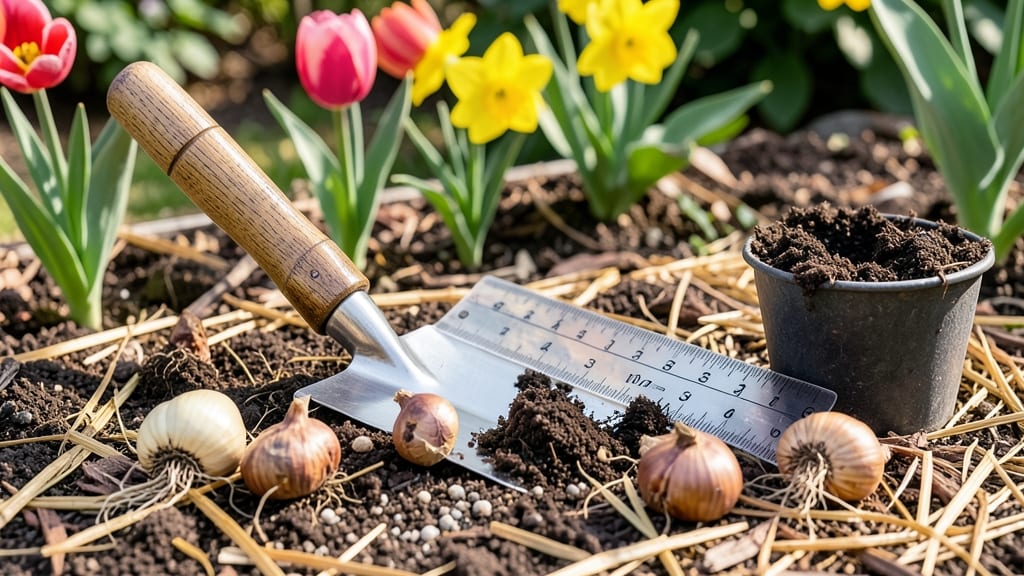
Planting bulbs in Oklahoma isn’t just about throwing them in the ground—it’s about beating the frost and unlocking those vibrant spring blooms year after year. With Oklahoma’s 6a-8a zones and unpredictable weather, timing is everything.
Miss the October-November window, and you might end up with frost-damaged dreams instead of daffodils.
I’ve learned the hard way that bulbs like tulips and daffodils need 6-8 weeks in the soil before the first frost hits. That means starting as early as late September in cooler zones or waiting until November in warmer areas.
The key? Planting deep enough—6-8 inches—so roots can anchor before winter sets in.
But here’s the game-changer: Oklahoma’s microclimates mean what works in Tulsa might fail in Norman. We’ll break down exactly when to plant for your specific zone, plus how to adjust for late freezes or early springs. No more guesswork—just zero-frost success and gardens bursting with color.
Ready to turn your yard into a springtime showstopper? Let’s dive into the exact months, soil prep secrets, and care tips that’ll make your bulbs thrive—no matter what Oklahoma throws at them.
Oklahoma’s bulb planting calendar: month-by-month frost-proof guide
Planting bulbs in Oklahoma requires precision because our USDA zones 6b-8a experience unpredictable frost dates. The key is planting 6-8 weeks before the first hard frost, which typically hits mid-November in Zone 6a and early November in Zone 8a.
For spring-blooming bulbs like tulips and daffodils, aim for October-November planting, while summer-blooming varieties (e.g., dahlia tubers) go in February-March.
Oklahoma City’s average last frost date is April 15, but rural areas like Altus (Zone 7b) can see frost as late as May 1. In Tulsa (Zone 7a), plan for a slightly earlier last frost around April 1.
These variations mean your planting window can shift 2-3 weeks earlier or later depending on your microclimate.
Here’s your month-by-month planting guide for Oklahoma, tailored to avoid frost damage and ensure vibrant spring blooms:
For Zone 6a areas like Altus or Woodward, focus on planting by October 15 to ensure bulbs establish roots before frost. In Zone 8a (e.g., Lawton or Ardmore), you can push planting to early November or even late February for summer bulbs.
Always check soil temperatures—bulbs need 50-60°F soil to root properly.
Pro tip: Use a soil thermometer to confirm readiness. If temperatures dip below 50°F, delay
How to adjust planting for Oklahoma’s microclimates and unpredictable weather
Oklahoma’s microclimates can make bulb planting a challenge. Urban areas like Oklahoma City often experience heat islands, while rural zones near Tulsa may face sudden frost pockets. These variations mean your neighbor’s perfect planting window might not work for your yard.
For example, south-facing slopes warm up faster in spring, allowing earlier planting of tulips or daffodils (as early as February in Zone 8a). Meanwhile, low-lying areas or shaded spots may need a 2-3 week delay to avoid frost damage.
Here’s how to adjust planting times based on your specific conditions:
⚠️ Warning: Late-Spring Freezes Can Ruin Bulbs
Even if shoots emerge in March, a late frost (common in Zone 6b) can kill tender growth. Use these backup strategies:
- Plant deeper (8 inches for tulips, 6 inches for daffodils) to insulate bulbs.
- Apply a 4-inch mulch layer of straw or leaves after planting.
- Choose late-blooming varieties like ‘Ice Follies’ daffodils or ‘Darwin Hybrid’ tulips, which resist frost better.
🌡️ Pro Tip: Check soil temps with a soil thermometer—plant when it’s 50-60°F (ideal for most bulbs).
If you’re in a warmer microclimate (like Lawton or Altus), you might plant fall bulbs in early October. But in cooler zones (e.g., Mountain Park), wait until mid-November to avoid frost exposure. Use the USDA zone map and local frost date averages as your guide.
For container gardening, bulbs planted in pots can be moved to protected spots (like a garage or under eaves) if frost threatens. Just ensure pots have drainage holes to prevent rot during Oklahoma’s winter thaws followed by freezes.
Finally, deer-prone areas may need deer-resistant varieties like alliums or fritillaries, planted slightly later (late November) to avoid early browsing. Always monitor local weather forecasts and adjust your timeline accordingly.
With these adjustments, your Oklahoma bulb garden will bloom reliably year after year—no matter the microclimate. Happy planting! 🌱