
Plants
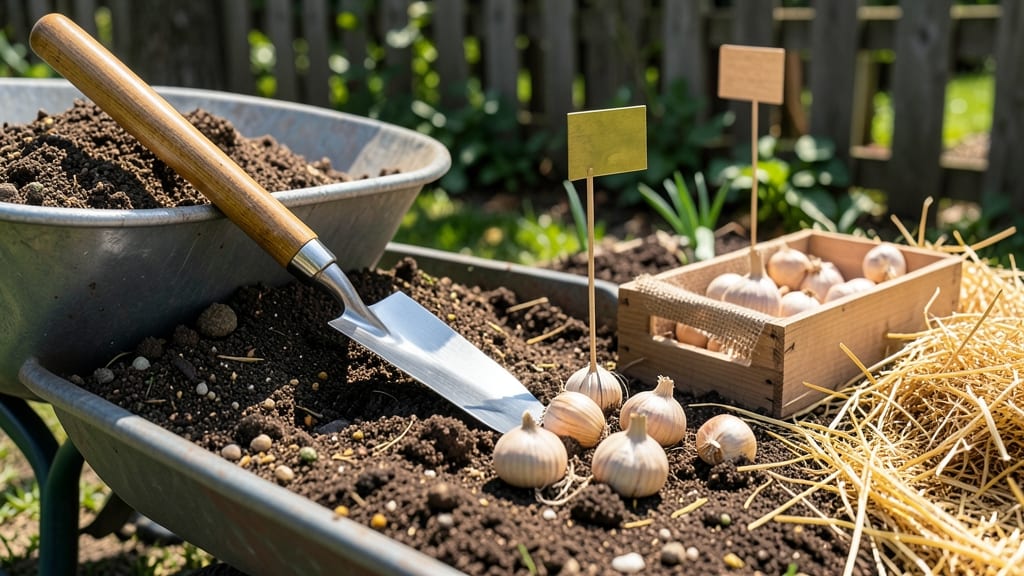
Timing is everything when planting daffodil bulbs in Northern California—get it wrong, and your 🌼 blooms may never appear. The coastal fog delays and inland heat spikes make this region uniquely tricky, even for seasoned gardeners.
But don’t worry: with the right window, you’ll set your daffodils up for a stunning spring display.
Most gardeners in zones 8a-9b (like Sacramento or coastal areas) should aim for planting between October and December. This 6-8 week lead time before the ground freezes ensures bulbs establish strong roots before winter. However, the exact timing shifts dramatically depending on whether you’re near the coast or inland.
Coastal areas with milder winters can wait until late fall, while inland regions need to plant earlier to avoid frost. The key is soil temperature—wait until it drops to 60°F but hasn’t yet frozen. This balance is what separates a thriving daffodil patch from a missed opportunity.
In this guide, I’ll break down the exact planting windows for your specific microclimate, plus pro tips to adjust for Northern California’s unpredictable weather. Let’s get those bulbs in the ground at the perfect moment!
Northern California daffodil planting calendar: coastal vs inland timing differences
Northern California's diverse climate means coastal areas like San Francisco and inland regions like Sacramento have very different planting windows for daffodils. While coastal gardeners can often wait until December, inland areas should plant by mid-November to avoid winter freezes.
The key difference? Soil temperature thresholds and frost risk vary dramatically between these zones.
For coastal Northern California (USDA Zone 9b), the ideal planting window stretches from October 15 to December 15. The cooler, foggy climate allows for later planting, with first frost dates rarely before January 10.
In contrast, inland areas like Sacramento (Zone 8a) must plant between October 1 and November 15, as frost can arrive as early as November 15.
Here's the critical difference: Soil temperature should be below 60°F (15°C) but not yet frozen when planting. Coastal areas often hit this sweet spot in late November, while inland regions need to plant 4-6 weeks earlier to establish roots before winter chill sets in.
| Region | Ideal Planting Window | Soil Temp Threshold | First Frost Date | Key Consideration |
|---|---|---|---|---|
| Coastal (San Francisco, Monterey) | October 15 - December 15 | Below 60°F (15°C) | January 10 (avg.) | Fog delays warming; later planting possible |
| Inland (Sacramento, Fresno) | October 1 - November 15 | Below 60°F (15°C) | November 15 (avg.) | Faster cooling; earlier planting critical |
| Mountain (Lake Tahoe, Truckee) | September 15 - October 31 | Below 50°F (10°C) | October 1 (avg.) | Early snow risk; plant ASAP |
If you're unsure about your local frost dates, check the USDA Plant Hardiness Zone Map or consult your local Cooperative Extension office. For example, San Francisco (Zone 9b) can safely plant until mid-December, while Sacramento (Zone 8a) should finish by November 15 to avoid bulb damage.
Pro tip: Use mulch (3-4 inches) after planting to insulate bulbs and extend your planting window by 2-3 weeks. This is especially valuable in coastal areas where fog can delay soil cooling.
For inland regions, focus on planting earlier in October when soil temps drop below 65°F (18°C).
Remember: Daffodil bulbs need 6-8 weeks to establish roots before winter dormancy. Planting too late means shallow root systems that won't survive frost. Use a soil thermometer ($10 at garden centers) to verify when temps hit that 60°F threshold—this is your green light to plant.
For coastal gardeners, don't wait until December! Plant by November 15 to give bulbs time to root before winter rains and cooler nights arrive. Inland gardeners should aim for October planting—the earlier, the better for frost-prone areas like the Central Valley.
One final tip: Early October is the safest window for most of Northern California. This gives you flexibility for both coastal and inland regions while ensuring bulbs establish before winter chill sets in. Mark your calendar now—daffodil planting season comes faster than you think!
5 Critical factors that determine your perfect planting window
Planting daffodil bulbs in Northern California isn't just about picking a month—it's about understanding 5 key factors that make or break your timing. First, soil temperature must drop below 60°F (15°C) for bulbs to root properly.
Inland areas like Sacramento hit this threshold by mid-October, while coastal zones like San Francisco may wait until late November.
Next, frost risk dictates your deadline. Plant too late, and bulbs won't establish roots before winter. Coastal areas face January frost dates, while inland regions like Fresno may see November frosts.
Always check your local USDA zone—most of Northern California falls between 8a-9b, but microclimates vary wildly.
Don't overlook rainfall patterns. Coastal regions get consistent moisture in fall, reducing your need to water. Inland areas like Sacramento may need supplemental irrigation to keep soil evenly moist. Aim for 1 inch of water per week until the ground freezes.
Bulb dormancy is another critical piece. Daffodils need 6-8 weeks of cool soil to develop roots before winter. Plant too early, and they may sprout prematurely. Too late, and they won't survive the cold. This window typically falls between October and December, but adjust based on your region.
Finally, local microclimates create dramatic differences. A valley like Napa may have warmer nights than nearby hills, delaying bulb dormancy. Use soil thermometers to monitor temperatures at 4-inch depth—this is where roots will grow.
Pro tip: Use a planting calendar tailored to your specific Northern California region. For example, San Francisco gardeners should aim for late November, while Sacramento gardeners can plant as early as mid-October. Always err on the earlier side—bulbs planted too late won't survive the winter.
By mastering these 5 factors, you'll avoid common mistakes like premature sprouting or frost damage. Next, we'll cover how to adjust your planting schedule when Northern California's unpredictable weather throws curveballs.