
Flowers
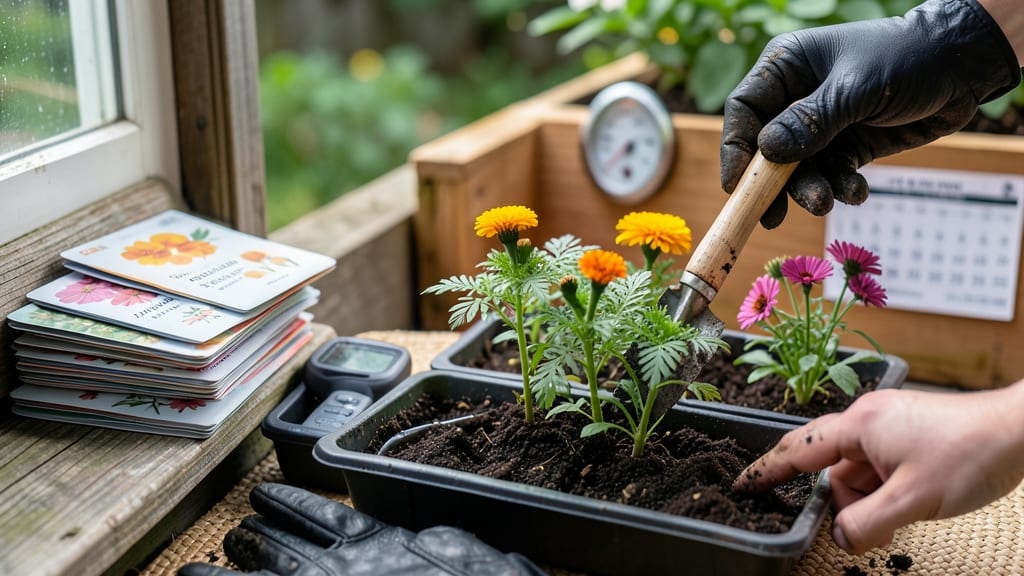
Timing your flower seeds planting in Zone 6 can make or break your garden dreams—get it wrong, and you might end up with sad, frost-nipped sprouts instead of vibrant blooms.
The key isn’t just following a calendar; it’s understanding how microclimates, soil warmth, and frost dates create the perfect window for your 🌸 to thrive.
In Zone 6 (General), where last frosts typically linger until mid-April and first frosts arrive by mid-October, planting too early or too late can leave your seeds vulnerable.
But here’s the good news: with the right adjustments—like starting heat-lovers later in shady spots or using row covers to extend early starts—you can maximize your blooming season.
I’ll walk you through exactly when to plant different flower types, how to spot your garden’s microclimate quirks, and the 5 biggest mistakes that sabotage even well-meaning gardeners. Whether you’re sowing pansies in cool spring soil or marigolds in summer heat, you’ll learn how to time it just right.
Ready to turn your Zone 6 garden into a year-round showstopper? Let’s dive into the science and secrets behind planting flower seeds for zero-frost risk and maximum blooms.

Zone 6 flower seed planting calendar: frost dates, microclimates, and cold-hardy species
In Zone 6, your flower seeds can thrive if planted at the right time—typically after the last frost date (around April 15) when soil warms to 60°F (15°C). But don’t wait too long!
Some flowers, like pansies and snapdragons, can handle light frost and even bloom in cooler weather, while others, like marigolds or zinnias, need warm soil to germinate. Understanding these differences ensures your garden bursts into color without wasted seeds or stunted growth.
Your local microclimate plays a huge role—south-facing beds warm up faster, while shaded or windy spots may need adjustments. For example, cosmos seeds can wait until May in cooler corners, but calendulas should go in by mid-April for full summer blooms.
The key is balancing frost risk, soil temperature, and your garden’s unique conditions.
Below is a seasonal planting guide for Zone 6, featuring cold-tolerant annuals and perennials that handle early starts. This table helps you plan which flowers to sow indoors (for a head start) versus direct-sow outdoors, along with their ideal planting windows and bloom periods.
| Plant Type | Cold Tolerance | Indoor Start (Weeks Before Last Frost) | Direct Sow (Month) | Bloom Period |
|---|---|---|---|---|
| Pansies | Very Cold-Hardy | 6-8 weeks | February-March | Spring-Fall |
| Snapdragons | Cold-Tolerant | 8-10 weeks | March-April | Summer-Fall |
| Calendulas | Moderate | 4-6 weeks | April-May | Summer-Fall |
| Cosmos | Heat-Loving | Not Needed | May-June | Summer-Frost |
| Marigolds | Warm-Season | Not Needed | April-May | Summer-Fall |
| Zinnias | Warm-Season | Not Needed | May-June | Summer-Frost |
| Sweet Alyssum | Cold-Tolerant | 4-6 weeks | March-April | Spring-Fall |
For perennials like coneflowers or black-eyed Susans, you can sow seeds directly in late summer (August-September) for fall-to-spring blooms, or start them indoors in early spring for summer color. These tough plants often self-seed, so a little patience pays off with years of blooms.
Pro tip: Use a soil thermometer to check warmth—most flower seeds need 50-70°F (10-21°C) to germinate. If your soil is still chilly in April, opt for cold-hardy varieties or wait until May for heat-lovers like sunflowers or
Zone 6 flower seed planting calendar: frost dates, microclimates, and cold-hardy species
Zone 6 gardeners face a 165-day frost-free window, typically from mid-April to mid-October, which means timing your flower seed planting is everything. The last frost usually arrives around April 15, but this can shift by weeks depending on your garden’s microclimate.
For example, south-facing beds warm up faster, while low-lying areas may stay colder longer.
To maximize blooms, I categorize flowers into three planting groups based on cold tolerance: early cool-season bloomers (like pansies), mid-season workhorses (marigolds), and heat-loving late starters (like zinnias). Each group has a specific window to avoid frost damage or heat stress during germination.
Here’s how I adjust my planting schedule using soil temperature as the key indicator. Most seeds need soil at 60°F (15°C) or warmer to sprout reliably.
In Zone 6, this typically happens by late April, but early starts under row covers can push this window back to March for cold-hardy varieties.
| Flower Type | Ideal Planting Time | Cold Tolerance | Notes |
|---|---|---|---|
| Pansies | March - April (direct sow) | Extreme | Thrives in cool soil; avoid summer heat |
| Sweet Alyssum | March - May | High | Sow early for spring blooms; reseed for fall |
| Marigolds | April - June | Moderate | Wait for soil >60°F; avoid late starts |
| Zinnias | May - June | Low | Heat-loving; plant after last frost |
| Cosmos | April - July | Moderate | Self-seeds; sow in batches for extended blooms |
For perennial flowers like coneflowers or black-eyed Susans, I plant seeds in late summer (August) for fall germination. These varieties benefit from cold stratification, which hardens them off for next year’s blooms.
The key is to sow them 6-8 weeks before first frost so they establish roots but don’t flower until spring.
Pro tip: Use a soil thermometer to track warmth—seeds like petunias need soil at 70°F (21°C), while lobelia can handle cooler 55°F (13°C) soil. This precision prevents wasted seed packets and ensures your garden bursts into color on schedule.
🌱