
Plants
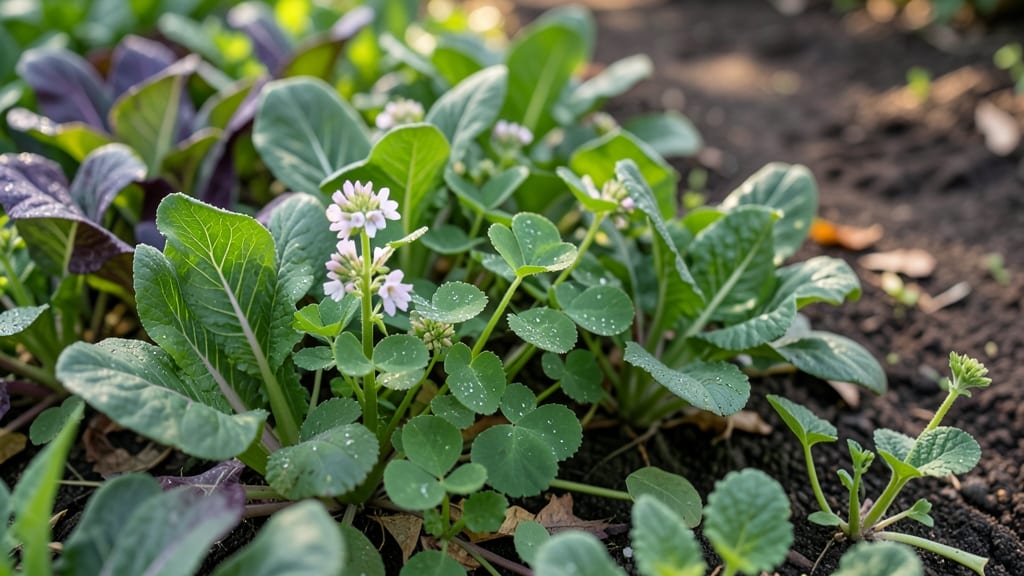
Timing when to plant food plots for deer in Louisiana isn’t just about throwing seeds in the ground—it’s about understanding the perfect window when soil, weather, and deer behavior all align for maximum impact.
Plant too early, and you’ll battle frost or soggy soil; too late, and your plots won’t mature before the bucks hit their peak feeding frenzy.
The difference between a stand packed with whitetails and one that flops often comes down to these critical months—and Louisiana’s unique climate zones demand precision.
If you’ve ever wondered why some hunters’ food plots thrive while others struggle, the answer likely lies in the planting calendar tailored to your corner of the state.
Whether you’re in the Gulf Coast’s humid heat or the northern parishes’ cooler springs, knowing when to plant clover, brassicas, or warm-season mixes can mean the difference between a bountiful buffet and a wasted investment.
Let’s break down the exact timing—plus the crops that deer can’t resist—so you’re not guessing when the bucks are hungry.
Most hunters in USDA zones 8a-9b swear by two prime planting windows: late February through early April for spring plots and September to October for fall forage. But here’s the catch: Louisiana’s microclimates can shift these dates by weeks.
We’ll cover how to adjust for your specific area, plus the fastest-growing, high-protein crops that keep deer returning to your property—even when other food sources dry up.
Ready to turn your food plots into a whitetail magnet? I’ll walk you through the step-by-step schedule, soil prep secrets, and even how to use the moon’s phases to your advantage. No more second-guessing—just a foolproof plan to have deer lining up at your stand when the season heats up.
Louisiana food plot planting calendar: best months by climate zone for maximum whitetail impact
Louisiana’s diverse climate—from the humid Gulf Coast to the cooler northern hills—means your food plot timing must adapt to three distinct zones. Planting at the wrong time can leave your plots struggling or attract deer too late in the season.
For peak whitetail activity, align your planting with soil temperatures, frost dates, and deer behavior patterns that shift monthly.
In North Louisiana (USDA Zones 7b-8a), colder winters and earlier frosts demand earlier spring plantings. The Gulf Coast (Zones 8b-9a) offers a longer growing window but risks summer heat stress.
Central Louisiana (Zone 8a) sits in the middle, balancing both challenges. I’ll break down the exact months for each zone, including moon phases that influence deer movement.
Here’s the golden rule: Plant clovers and brassicas when soil temps hit 60°F in spring and 70°F in fall. Use a soil thermometer—don’t guess! In Louisiana, this translates to late February to early April for spring and September to October for fall plantings, with adjustments for your zone.
🌱
For maximum deer impact, time your plantings to coincide with the new moon in spring and the full moon in fall. Deer are most active during these phases, and fresh plots will draw them in faster.
In North Louisiana, aim for March 15 (spring) and October 1 (fall)—these dates align with soil warming and deer rut preparation.
In South Louisiana, where summers are longer, focus on summer brassicas like turnips and rape. Plant these in late July to early August for a fall harvest when deer are bulking up before winter. The Gulf Coast’s humidity also means you’ll need fungal-resistant varieties like 'Whitetail Institute' brassicas.
Pro tip: Double-check frost dates each year—Louisiana’s last frost can vary by 2-3 weeks depending on weather patterns. Use the Louisiana Climate Center’s frost maps to fine-tune your timing. For example, Shreveport averages its last frost on March 1, while New Orleans rarely sees frost after February 15.
🌿
Don’t overlook moon phases when planning your planting schedule. Deer are most active during the new moon and full moon, making these ideal times to establish new plots.
For spring plantings, align your seeding with the new moon in March—this gives deer a fresh food source as they emerge from winter. In fall, plant during the full moon in October to capitalize on their pre-rut feeding frenzy.
Another critical factor is deer behavior. In Louisiana, whitetails start bulking up in late summer (August-September) and rutting in October-November. Plant high-protein crops like clover and brassicas in September to fuel their energy needs during this period.
For winter forage, overseed with rye or winter peas in October to keep them feeding through the cold months.
🌳
If you’re planting warm-season crops like sorghum or millet, wait until after May 1 in North Louisiana or April 15 in South Louisiana. These crops thrive in 80°F+ soil temps and will bolt quickly if planted too early.
For summer food plots, focus on shade-tolerant varieties like sunflowers or cowpeas to handle the intense heat and humidity.
Finally, rotate your plots annually to prevent soil depletion and pest buildup. Louisiana’s acidic soils (pH often <
Top 5 Louisiana-friendly food plot crops for year-round whitetail feeding (with deer Preference Ratings)
Louisiana’s humid climate and rich soils make it a deer hunter’s paradise—but only if you plant the right crops. The best food plots for whitetails here thrive in heat, humidity, and occasional flooding while delivering high-protein forage that bucks can’t resist.
I’ve narrowed it down to the top 5 crops that perform best across Louisiana’s climate zones, from the Gulf Coast to the northern parishes. These picks are tested by local hunters and ranked by deer preference, growth speed, and adaptability to Louisiana’s acidic soils.
First on the list is ‘Louisiana Serenade’ clover, a warm-season favorite that deer devour. This variety tolerates heat and humidity while fixing nitrogen in the soil—a double win for your plots. Plant it in late February to early April for spring plots or September to October for fall forage.
Bucks go crazy for it when it blooms, and it’s drought-tolerant once established. For a quick-growing alternative, try ‘Whitetail Institute’ brassicas like turnips or radishes, which deer love and mature in just 30-45 days.
🌱 Visual Guide: Deer Preference Ratings for Louisiana Crops 🌱
For summer food plots, ‘Titan’ sorghum-sudangrass is a game-changer. This heat-loving mix thrives in Louisiana’s 90°F+ temperatures and provides shade for deer during scorching afternoons. Plant it in May or June for a late-season boost when natural forage dries up.
It’s also high in protein and attracts does and fawns, which means bucks will follow.
Don’t overlook ‘Chief’ winter rye for fall and winter feeding. This cold-hardy grass holds up in Louisiana’s mild winters and offers deer a reliable food source when other plots lie dormant. It’s especially valuable in northern Louisiana, where frosts can be earlier.
For a warm-season staple, ‘Amarillo’ wheat is a classic that deer adore. It’s easy to grow, handles Louisiana’s acidic soils well, and provides year-round forage if planted at the right time.
Pro tip: Mix these crops for a year-round buffet. For example, plant clover in spring and brassicas in fall, then add sorghum-sudangrass in summer. This rotation keeps deer on your property 12 months a year and gives you flexibility based on Louisiana’s unpredictable weather.
Just remember: soil prep is key—test your pH (aim for 6.0-7.0) and amend with lime if needed, especially in southern Louisiana’s wetter zones.
🌿 Why These Crops Win in Louisiana 🌿
- Heat tolerance: Thrives in 90°F+ temps (critical for summer plots).
- Humidity resistance: Handles Louisiana’s high moisture without fungal issues.
- Fast growth: Matures in 30-90 days, so you see results quickly.
- Deer magnet: High protein and carbohydrate content keeps bucks coming back.