
Plants
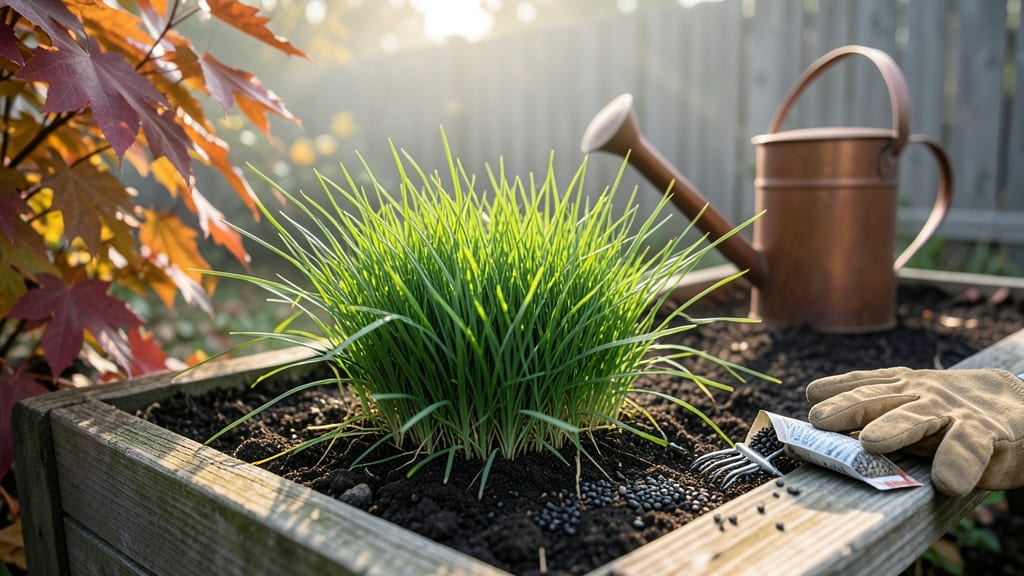
Planting ryegrass in Texas at the wrong time can turn your winter lawn dreams into a frustrating gamble—so getting the timing right is your first (and most important) step to success.
Whether you're overseeding a lawn or planting as a cover crop, the 8a-10b climate zones demand precision, especially with Texas' unpredictable frost patterns.
I’ve seen firsthand how August through October becomes the sweet spot for most Texans, but North Texas’ earlier frosts mean you might need to start seeding by late summer. Meanwhile, South Texas gardeners have a little more flexibility thanks to milder winters.
The key? Planting 4-6 weeks before your area’s first frost ensures strong root establishment before cold sets in.
Don’t let common mistakes like planting too early (when summer heat stresses seeds) or too late (when frost arrives prematurely) ruin your efforts. This guide breaks down the exact window for your region, plus soil prep tips and watering strategies tailored to Texas conditions.
Let’s get your ryegrass growing like a pro.
Ready to transform your lawn or soil? I’ll walk you through everything—from choosing the right variety to avoiding the pitfalls that trip up even experienced gardeners. Your lush winter lawn starts with the right timing, and I’ve got you covered.
Best months to plant rye grass in Texas by region
Texas’ diverse climate means rye grass planting times vary dramatically from North to South Texas. In North Texas (USDA Zones 7b-8a), where first frosts hit as early as November 15, aim to plant August 15–September 30 for winter coverage.
Meanwhile, South Texas (Zones 8b-10a) can plant until October 15 due to milder winters.
For overseeding existing lawns, late summer (August) is ideal—this gives seeds time to germinate before cool-season growth kicks in. Spring planting (February) is less common but works for cover crop purposes if you’re preparing soil for summer crops.
Here’s the breakdown by region to avoid wasted seed and ensure optimal germination:
| Region | Best Planting Window | First Frost Date | Key Tip |
|---|---|---|---|
| North Texas (Zones 7b-8a) | August 15–September 30 | Mid-November | Plant 6 weeks before frost for winter lawn. |
| Central Texas (Zones 8a-8b) | August 1–October 15 | Late November | Soil temps should be 60–75°F for germination. |
| South Texas (Zones 8b-10a) | September 1–October 15 | Mid-January | Extend planting into October for milder winters. |
| All Regions (Cover Crop) | February (Late Winter) | N/A | Use for soil improvement before summer crops. |
Texas’ variable rainfall adds another layer—September is often the sweet spot because it balances soil moisture and cooling temps. Avoid planting in July or early August when heat stress can kill seeds before germination.
For overseeding, mow your existing lawn short (1–1.5 inches) 2–3 days before planting to create a clean seedbed. Late August is my go-to month because it gives rye grass time to establish before winter freezes arrive.
If you’re using rye grass as a cover crop, February planting works well—it grows quickly in spring warmth and suppresses weeds before summer crops. Just till it under before it goes to seed to avoid volunteer plants next year.
Pro tip: Check your local AgriLife Extension office for frost date updates—Texas’ climate shifts yearly, and a 2-week delay can mean the difference between success and failure.
Remember, rye grass thrives in cool weather, so planting too late (after October 15) risks slow growth before winter dormancy. Timing is everything in Texas gardening!
Best months to plant rye grass in Texas by region
Texas’ diverse climate means your ryegrass planting window varies dramatically between North, Central, and South Texas.
In North Texas (USDA Zones 8a-8b), where frosts hit as early as November 15, aim to plant between mid-August and early October—this gives seeds 4-6 weeks to establish roots before winter chill sets in.
Central Texas (Zones 8a-9a) enjoys a slightly longer window, with ideal planting from late August through mid-October. The first frost typically arrives around November 1, so starting in September ensures your grass has time to thrive before cold weather.
In South Texas (Zones 9a-10b), milder winters push the window later—plant from September through November. Here, frosts are rare before January 15, giving you flexibility to overseed even in late fall for spring green-up.
| Region | USDA Zone | Best Planting Window | First Frost |
|---|---|---|---|
| North Texas | 8a-8b | Mid-August to early October | November 15 |
| Central Texas | 8a-9a | Late August to mid-October | November 1 |
| South Texas | 9a-10b | September to November | January 15 |
Pro tip: Use Texas A&M’s Frost Date Map to pinpoint your exact first frost date—this is your planting deadline. For example, if your area’s frost arrives November 1, start seeding by September 15 to avoid stressing young plants.
Don’t overlook late winter planting (February) for South Texas gardeners—this strategy leverages Texas’ mild winters to establish grass for spring. Just avoid planting after March 1, as summer heat will stress seeds before they germinate.
For cover crop use, plant ryegrass in late summer (August) to suppress weeds and improve soil health before winter. This timing aligns with Texas’ natural rainfall patterns, reducing irrigation needs during establishment.
Remember: Seed dormancy in Texas heat means planting too early (before August 1) risks seed burn. Always check seed packet instructions for germination temperatures—most ryegrass varieties need soil temps below 85°F for optimal sprouting.