
Plants
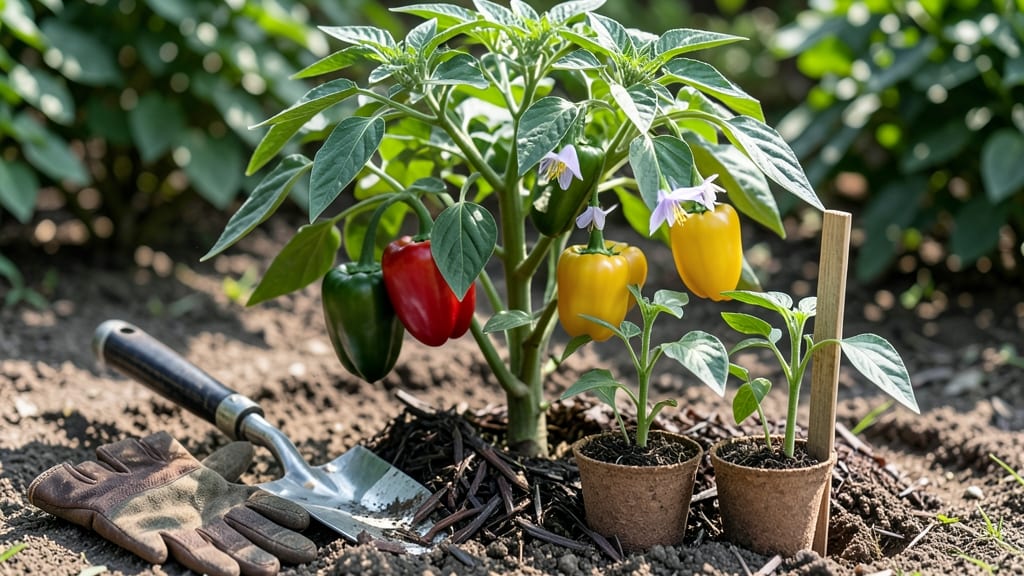
Timing your bell pepper 🌶️ planting in Washington State isn’t just about following a calendar—it’s about outsmarting the region’s wild swings from coastal chill to inland heat.
Plant too soon, and frost will turn your seedlings into sad, wilted memories; wait too long, and your peppers might bolt before you even get a harvest. The 6-week window between April 15 and June 1 is your sweet spot—but only if you account for your microclimate.
Most of Washington falls in USDA zones 7b-8a, but that doesn’t mean every garden behaves the same. Coastal areas like the Puget Sound need a later start to avoid late frosts, while the Columbia Basin’s warmer soil lets you plant earlier.
The key? Waiting until the soil hits 60°F—no guessing, just a thermometer check. I’ll show you exactly how to time it right for your corner of the state.
Whether you’re starting seeds indoors or transplanting young plants, the stakes are high. Skip this step, and you’ll end up with bitter peppers—or worse, none at all. But get it right, and you’ll be feasting on homegrown 🌶️ from July through October.
Let’s break down the exact weeks to plant, plus the varieties that thrive in Washington’s short season.
No more second-guessing your planting date. By the end of this guide, you’ll know the precise window for your microclimate, how to adjust for Washington’s unpredictable weather, and which bell pepper varieties will reward you with the biggest harvests. Ready to grow peppers that actually make it to the table?
Washington state bell pepper planting zones: exact weeks by microclimate
Washington’s bell pepper planting window varies drastically across its three main regions: the coastal Pacific Northwest, the arid Columbia Basin, and the transition zones like the Cascades foothills.
Each microclimate has unique last frost dates and heat requirements, so timing is everything to avoid frost damage or premature bolting. Let’s break it down by region so you can plant with confidence.
In Western Washington (e.g., Seattle, Bellingham), the marine layer keeps nights cool, so soil temperatures lag behind inland areas. Here, aim to plant transplants after May 15—once nighttime temps consistently stay above 50°F.
For direct sowing, wait until June 1 to give seeds time to germinate in the cooler soil. Coastal gardeners should prioritize short-season varieties like ‘Carmen’ or ‘Aristotle’ to beat the October frost.
In Eastern Washington (e.g., Yakima, Wenatchee), the Columbia Basin’s desert climate means soil warms faster, allowing earlier planting. Start transplants as early as April 15 if your soil reaches 60°F, or direct-sow by May 1.
The longer growing season here lets you try longer-maturing varieties like ‘Jupiter’ or ‘NuMex Sandia,’ but still harvest before the first frost in mid-October.
For Central Washington (e.g., Spokane, Wenatchee Valley), treat it as a bridge between coastal and inland zones. Plant transplants between April 20 and May 10, depending on microclimate. High-altitude areas (e.g., Leavenworth) may need to wait until May 15 due to cooler nights.
Always use row covers for early plantings to protect against unexpected late frosts.
🌱 Key Takeaway: Your planting window hinges on soil temperature, not just calendar dates. Use a soil thermometer to confirm 60°F+ before planting—this is non-negotiable for bell pepper germination.
🌿 Pro Tip: Use this table as your planting
How to adjust planting for Washington’s unpredictable weather patterns
Washington’s weather can shift overnight—coastal areas like Bellingham might still see 32°F frosts in May, while Wenatchee could hit 90°F by early June. These extremes demand flexibility in your planting strategy.
The key is to monitor soil temperatures (not air temps) and use season extension tools to safeguard your peppers from bolting or frost damage.
Start by testing your soil temperature with a thermometer—bell peppers need 60°F+ soil to thrive. In cooler coastal zones, use black plastic mulch or row covers to warm the soil faster. For high-altitude areas like the Cascades, delay planting until after May 15 to avoid late frosts.
If you’re transplanting seedlings, harden them off for 7-10 days before moving them outdoors. For direct-sown seeds, wait until after Memorial Day in most areas—earlier sowings risk damping-off disease from cold, wet soil. In arid Eastern WA, prioritize morning watering to prevent heat stress on young plants.
For high-risk zones, consider using grow lights or a greenhouse to extend the season. Even a simple cold frame can add 2-4 weeks to your growing window.
If frost threatens after planting, cover plants with frost cloth or a lightweight blanket—bell peppers are sensitive to cold but can recover if protected.
Finally, choose shorter-season varieties (like ‘Early California Wonder’) for cooler microclimates, as they mature in 60-70 days instead of the standard 75-90 days.
This buffer gives you wiggle room if weather turns unpredictable. Always mulch heavily to stabilize soil temps and retain moisture during WA’s unreliable spring rains.
By combining soil warming, frost protection, and flexible varieties, you’ll turn Washington’s chaotic weather into an advantage—not a roadblock. Start early, stay adaptable, and your peppers will reward you with a bountiful harvest despite the odds. 🌱