
Trees
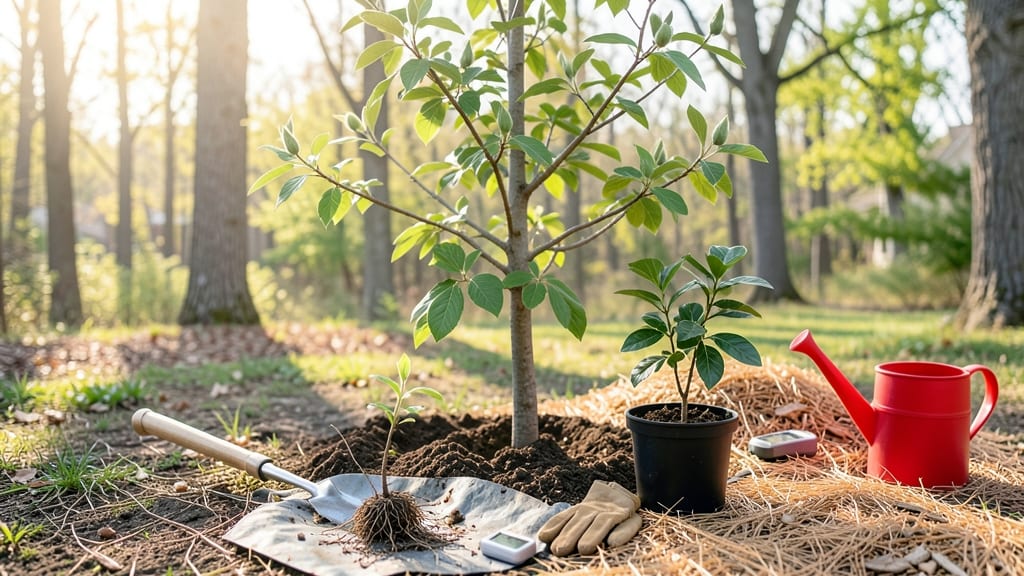
Timing is everything when it comes to planting dogwood trees in Texas—get it wrong, and you might never see those show-stopping spring blooms. The key lies in matching your planting window to the tree's chill-hour needs, which vary dramatically across Zones 8a-10b.
Whether you're in North Texas or the Gulf Coast, understanding these nuances ensures your 🌳 thrives instead of struggles.
Most Texas gardeners assume fall is the only option, but early spring can actually work better for certain varieties. The difference comes down to soil temperatures and how your local climate delivers those critical chill hours.
I'll walk you through the exact months that work best for your specific region, so you can avoid common mistakes that kill dogwood plantings before they even take root.
What you'll discover is that Texas dogwoods aren't one-size-fits-all—some varieties need 900 chill hours while others thrive with just 300. We'll break down which types match your microclimate and how to prepare your soil for maximum success.
With the right approach, you could have a flourishing dogwood that outshines your neighbors' landscapes.
The best part? You don't need a green thumb to make this work. I'll share simple, proven techniques that even beginner gardeners can follow to get their dogwoods off to a strong start. Let's get your Texas landscape ready for those stunning spring blooms that everyone will envy.
Texas dogwood planting timeline by chill-hour requirements
Texas gardeners know timing is everything—especially when planting dogwood trees. These stunning bloomers need chill hours (300–900 hours below 45°F) to set buds properly. In Zone 7b-9a, your planting window depends on the variety.
Native Texas dogwoods thrive with 300–600 chill hours, while Pacific dogwoods need 900+ hours—a mismatch means no spring flowers.
Fall planting (October–December) is ideal because cool soils help roots establish before summer heat. Early spring (February–March) works too, but avoid late spring—dogwoods hate Texas heat stress when roots are shallow. Let’s break down the best months for each variety to maximize survival and blooms.
🌱 Key Tip: Always plant when soil temps are below 60°F—warmer soil speeds root rot. Use a soil thermometer to check depth.
| Variety | Chill Hours Needed | Best Planting Window | Texas Zone Fit | Notes |
|---|---|---|---|---|
| Texas Native Dogwood (Cornus drummondii) | 300–600 | October–December | 7b–9a | Drought-tolerant; red berries attract birds. |
| Pacific Dogwood (Cornus nuttallii) | 900+ | October–November (cooler zones only) | 7b–8a | Needs winter chill; struggles in Zone 9a+. |
| Flowering Dogwood (Cornus florida) | 600–900 | November–February | 7b–8b | Classic blooms; needs afternoon shade in South Texas. |
| 'Cherokee Brave' (Heat-Tolerant) | 500–700 | October–December | 8a–9a | Best for urban heat; purple foliage. |
For Zone 9a gardeners, avoid Pacific dogwoods—they’ll struggle without 900+ chill hours. Instead, opt for 'Cherokee Brave' or native varieties. In North Texas (Zone 7b-8a), you can push planting into early March if soil stays cool, but monitor for early spring frosts.
Pro tip: Use a chill hour calculator (like the one from Texas A&M) to confirm your local chill hours. Many Texas counties fall short for high-chill varieties, so adjust your selection accordingly.
For example, Dallas (Zone 8a) averages 500–700 chill hours, while Houston (Zone 8b-9a) often drops below 400 hours.
After choosing the right variety, amend your soil with compost to improve drainage—dogwoods hate soggy roots. Mulch with 3 inches of wood chips to retain moisture and regulate soil temps. Water deeply once a week for the first year, then taper to every 10–14 days once established.
Timing isn’t just about months—it’s about soil temperature. Wait until 60°F or cooler to plant, even if it’s technically in your window. Use a soil thermometer to avoid heat shock.
In South Texas (Zone 9a), plant in October to beat the summer heat; in North Texas (Zone 7b), stretch to December for extra root growth before winter.
Remember: Dogwoods planted in fall often bloom earlier the following spring because roots establish during cooler months. Spring plantings take longer to show blooms but can still thrive with proper care. The key is consistency—whether you plant in fall or spring, keep soil moist and avoid stress.
🌿 For bloom guarantees, pair your planting timing with proper pruning (remove dead branches in late winter) and fertilization (balanced 10-10-10 in early spring). With the right chill hours and timing, your Texas dogwood will reward you with
How to match dogwood varieties to Texas microclimates
Texas's diverse climate—from the cool hills of North Texas to the humid Gulf Coast—means not all dogwoods thrive equally. The key? Selecting varieties that match your local chill hours and microclimate conditions.
For example, 'Cherokee Brave' dogwoods (300-600 chill hours) excel in Zone 7b-8a, while 'Natchez' (600-900 chill hours) handles Zone 8b-9a better. Let’s break down how to pick the right tree for your yard.
Start by identifying your Texas region. North Texas (e.g., Dallas, Fort Worth) has 300-600 chill hours, while South Texas (e.g., Houston, San Antonio) typically sees 400-700 chill hours.
Coastal areas like Galveston may only hit 300-500 chill hours, limiting your options to low-chill varieties like 'Pocahontas'. Use your local Cooperative Extension office for precise chill-hour data if unsure.
Soil prep is non-negotiable in Texas. Dogwoods prefer well-draining, slightly acidic soil (pH 5.0-6.5). If your soil is alkaline or clay-heavy (common in East Texas), amend it with peat moss or sulfur before planting. A simple soil test kit (available at garden centers) will save you from guesswork. Pro tip: Mulch heavily (3-4 inches of organic mulch) to retain moisture and regulate soil temperature—critical in Texas’s sweltering summers.
🌳 Dogwood Variety Matchmaker for Texas
-
🌡️ North Texas (Zone 7b-8a)
Best for: 'Cherokee Brave,' 'White Cloud'
Chill hours: 300-600
Soil tip: Amend clay soil with compost -
🏜️ Hill Country (Zone 8a-8b)
Best for: 'Natchez,' 'Cameo'
Chill hours: 500-700
Soil tip: Well-draining, slightly acidic -
🌊 Gulf Coast (Zone 9a)
Best for: 'Pocahontas,' 'Profusion'
Chill hours: 300-500
Soil tip: Sandy loam, mulch heavily
Once planted, watering schedules shift with Texas seasons. Newly planted dogwoods need deep watering every 2-3 days during spring and fall, but established trees tolerate weekly deep soaks. In summer’s brutal heat, water at the tree’s base in the morning to prevent fungal issues.
Avoid overhead sprinklers—they can scorch leaves. For first-year care, focus on root establishment by keeping soil consistently moist but not soggy.
Texas’s wild temperature swings can stress dogwoods, so protect young trees during sudden cold snaps. Wrap the trunk with burlap or tree guards in North Texas winters (Zone 7b) to shield against freeze damage. In South Texas, watch for late-winter frosts—these can damage buds before they open.
Prune in late winter or early spring (just before buds swell) to encourage vigorous blooming and airflow, reducing disease risk.
Finally, monitor for pests like dogwood borers or powdery mildew, which thrive in Texas’s humid summers. Apply neem oil or fungicidal sprays preventatively in late spring.
With the right variety, soil prep, and care, your dogwood will reward you with show-stopping spring blooms for decades—even in Texas’s tough climate. 🌷